I’ve kept both jade plants and rubber plants in my home for over a decade, and every time someone asks me which one they should buy, my answer is always the same: it depends entirely on your lifestyle, your home environment, and what kind of plant parent you actually are.
These two glossy-leaved beauties look similar at first glance in the garden center, but they behave very differently once you get them home.
In this detailed comparison, I’ll walk you through everything I’ve learned from years of growing both side by side so you can confidently choose the one that will thrive with you instead of just survive.
Quick Overview: The Tale of the Tape
Before we dive deep, here’s a snapshot comparison that I wish existed when I brought my first rubber plant home (and almost killed it within six months).
| Feature | Jade Plant (Crassula ovata) | Rubber Plant (Ficus elastica) |
|---|---|---|
| Botanical Family | Crassulaceae (succulent) | Moraceae (fig family) |
| Native Habitat | South Africa | Southeast Asia |
| Growth Rate | Slow (3–6 inches per year) | Fast (up to 2–3 feet per year indoors) |
| Mature Indoor Height | 2–4 feet (easily kept smaller) | 6–10 feet (needs pruning) |
| Light Requirement | Bright direct light ideal | Bright indirect to medium light |
| Water Needs | Low (drought tolerant) | Moderate (hates being bone dry) |
| Difficulty Level | Beginner (very forgiving) | Intermediate (dramatic when unhappy) |
| Toxicity | Mildly toxic to pets | Toxic to pets (sap irritates) |
| Air Purification | Moderate | Excellent (NASA Clean Air Study favorite) |
Appearance and Aesthetic Differences
When friends walk into my living room, they always comment on how “tropical” my rubber plant looks while calling my jade collection “cute little money trees.” There’s truth in both observations.
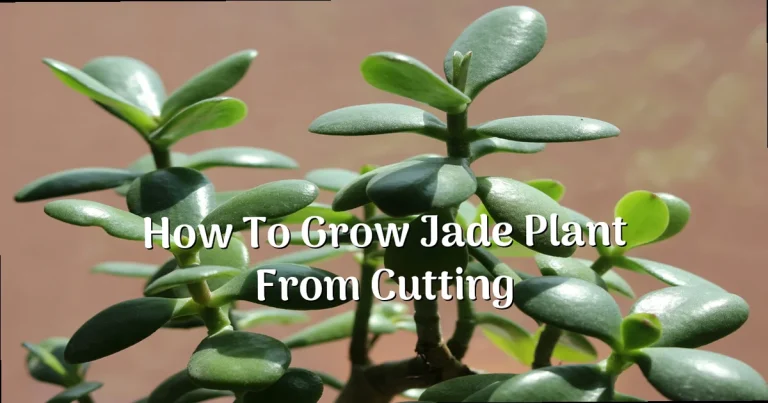
Jade plants have that classic succulent charm: thick, oval leaves that look like shiny green coins on woody stems. As they age, they develop beautiful gnarled trunks that give them a miniature bonsai appearance. I’ve got one that’s pushing twenty years old and looks like it belongs in an ancient Chinese painting.
Rubber plants, by contrast, scream modern luxury. Their large, glossy leaves (often 12 inches long) emerge with a pinkish-red sheath that unfurls dramatically. The newer cultivars like ‘Ruby’, ‘Tineke’, and ‘Burgundy’ bring cream, pink, or almost black foliage that makes them living sculptures. If you’re going for that Instagram-worthy urban jungle vibe, rubber plant wins hands down.
Light Requirements: The Make-or-Break Factor
This is where I’ve seen most people fail with rubber plants.
Jade plants are light gluttons. Mine sit in a south-facing window that gets direct afternoon sun, and they couldn’t be happier. In fact, the red edges on their leaves only appear when they’re getting enough bright light. Too little light, and they become leggy and weak-stemmed, but they’ll usually survive.
Rubber plants are the divas of the plant world when it comes to light changes. They want consistently bright, indirect light. Direct sun scorches their leaves, but too little light causes dramatic leaf drop that can make you think you’re killing them. I learned this the hard way when I moved my ‘Burgundy’ rubber plant six feet away from its perfect spot; it dropped twenty leaves in protest over the next month.
Watering and Humidity Needs
As a former chronic over-waterer, jade plants saved my plant-parent confidence.
These succulents want to be neglected. I water mine thoroughly every 2–4 weeks (depending on season), then let them dry out completely. They’ve survived me forgetting about them for six weeks during a family emergency. Their thick leaves store water like camels store fat.
Rubber plants need a more balanced approach. They like their soil to dry out about halfway down the pot between waterings, which usually means every 7–14 days. They also appreciate higher humidity than most homes provide. I’ve had to run a humidifier near mine during winter, or the leaf edges turn brown and crispy.
Here’s my personal watering schedule comparison:
| Season | Jade Plant Watering Frequency | Rubber Plant Watering Frequency |
|---|---|---|
| Spring/Summer | Every 2–3 weeks | Every 7–10 days |
| Fall/Winter | Every 4–6 weeks | Every 14–21 days |
| After Repotting | Wait 2 weeks, then normal | Water lightly after 3–4 days |
Growth Habits and Space Considerations
If you’re in an apartment or have limited space, this might be your deciding factor.
My jade plants grow slowly and predictably. I can keep a mature specimen under three feet tall for years with occasional pruning. They’re perfect for bookshelves, desks, or as statement pieces that don’t threaten to take over the room.
Rubber plants grow like they’re late for an important meeting. Under good conditions, they’ll shoot up several feet in a single growing season. I’ve had to prune mine aggressively to keep them from hitting the ceiling. If you have high ceilings and want a dramatic floor plant that makes a statement, rubber plants deliver. If you’re looking for something that stays put, jade wins.
Care Difficulty and Forgiveness Factor
Let’s be honest about our plant parenting skills.
Jade plants are the ultimate “set it and forget it” houseplant. They’ve survived my neglect, overwatering phases, underwatering phases, and even being knocked over by cats. The only thing that’s ever killed a jade plant for me was root rot from terrible drainage (completely my fault).
Rubber plants require commitment. They drop leaves at the slightest offense: moving them to a new spot, changing temperature dramatically, underwatering, overwatering, or even rotating them too enthusiastically. Once you learn their language though, they’re surprisingly resilient.
Propagation: Making More Plants for Free
Both plants propagate easily, but in different ways.
Jade plants are propagation superstars. I’ve stuck random leaves that fell off in soil and ended up with baby plants. Stem cuttings root in water or soil within weeks. I currently have about twenty jade pups growing from one mature plant’s trimmings.
Rubber plants propagate through stem cuttings or air layering, but they’re fussier. The milky sap can be irritating, and cuttings need bottom heat and higher humidity to root successfully. That said, when you get a rubber plant cutting to root, it’s incredibly satisfying.
Common Problems and Solutions
Every plant has its drama. Here’s what I’ve dealt with:
Jade Plant Issues I’ve Faced:
- Mealybugs (the bane of my existence)
- Overwatering leading to mushy leaves
- Leggy growth from insufficient light
- Leaves dropping from sudden temperature changes
Rubber Plant Drama I’ve Experienced:
- Massive leaf drop after repotting
- Brown leaf edges from low humidity
- Spider mites (they love the big leaves)
- Leaf yellowing from inconsistent watering
Cost and Availability
Jade plants are usually cheaper and more widely available. You can find small ones for under $10, and they’re common at big box stores.
Rubber plants, especially the variegated varieties, command premium prices. A decent-sized ‘Tineke’ or ‘Ruby’ can easily run $50–150 depending on size and variegation quality.
Which One Should You Choose?
After growing both extensively, here’s my honest recommendation based on different lifestyles:
Choose a jade plant if you:
- Travel frequently or have an irregular schedule
- Live in a dry climate or forget to water sometimes
- Want a plant that develops character as it ages
- Have very bright southern or western windows
- Are new to plant parenthood
Choose a rubber plant if you:
- Want bold, dramatic foliage that makes a statement
- Have space for a larger plant
- Can provide consistent care and conditions
- Live in a humid environment or can increase humidity
- Love the tropical aesthetic
My Personal Favorites
I won’t make you choose just one, because I haven’t. My south-facing windowsill is lined with jade plants of different ages and varieties (including the rare ‘Gollum’ and ‘Hobbit’ types), while my living room corners are dominated by towering rubber plants that make the space feel like a jungle.
The perfect solution? Get both. They complement each other beautifully and teach you different aspects of plant care. My jade plants taught me patience and the beauty of slow growth, while my rubber plants taught me attention to detail and the rewards of consistent care.
Whether you choose the stoic, sun-loving jade or the glamorous, light-sensitive rubber plant, both will bring years of beauty to your home with proper care. Pick the one that matches your lifestyle and space, and you’ll have a plant companion that thrives alongside you rather than struggling to survive.
Frequently Asked Questions
Can jade plants and rubber plants live in the same room?
Absolutely! They have different light and water needs, but many homes have microclimates that work for both. I keep my jades in the sunniest spots and rubber plants a few feet back from the windows.
Which is better for beginners?
Jade plants are significantly more forgiving. If you’re new to plants or have killed everything you’ve touched, start with jade.
Are both plants toxic to pets?
Both are toxic if ingested. Jade plants cause mild gastrointestinal upset, while rubber plants are more toxic and their sap can irritate skin. Keep both out of reach of pets and children.
Which grows faster?
Rubber plants grow much faster under good conditions. Jade plants are slow growers that develop character over decades.
Can either plant live outside?
Jade plants can summer outdoors in warm climates but need protection below 50°F. Rubber plants are strictly tropical and suffer below 60°F.
Do they need the same soil?
No! Jade plants need fast-draining succulent soil, while rubber plants prefer rich, well-draining potting mix. Using the wrong soil is a common mistake.