If you’ve noticed black spots on your ZZ plant, you’re not alone. These hardy, low-maintenance plants are popular, but even they can face problems. Black spots can be a sign that your plant needs a…
ZZ plants (Zamioculcas zamiifolia) are popular for their easy care, but they can sometimes droop due to common issues like watering problems or lighting mistakes. A drooping ZZ plant can be worrying, but don’t worry!…
Noticing your ZZ plant’s vibrant green leaves turning yellow? Yellowing leaves can be caused by overwatering, underwatering, poor light conditions, or pests. Don’t worry! This common issue is easy to fix. In this guide, we’ll…
ZZ plants are a favorite choice for indoor gardening. They are beautiful, low-maintenance, and can thrive in almost any condition. But are they toxic? Yes. ZZ plants are mildly toxic to humans if ingested. This…
Yes, you can propagate a ZZ plant from a single leaf. It is slow but possible. A healthy leaf can form a small rhizome, grow roots, and eventually sprout a new shoot. This complete guide…
The ZZ plant (Zamioculcas zamiifolia) is a popular houseplant with glossy leaves and easy care. But do ZZ plants like being crowded? Yes, ZZ plants can tolerate being crowded and even benefit from being slightly…
ZZ plants (Zamioculcas zamiifolia) are loved for their glossy green leaves and easy care. But there’s a hidden surprise many plant owners don’t know! ZZ plants can bloom! It’s rare, but when they do, the…
Seeing your ZZ plant’s lush green leaves turn brown can be upsetting, especially after all the care you’ve given it. Don’t worry! Most browning issues can be fixed. In this guide, I’ll explain the common…
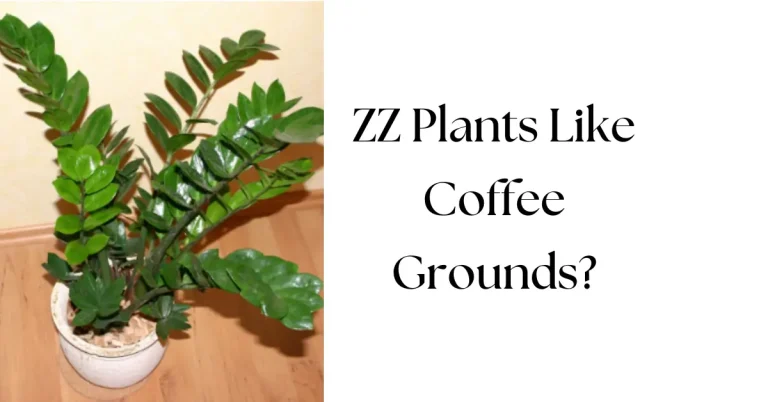
You’ve probably heard that coffee grounds can work wonders for your garden, but what about your ZZ plant? These tough, low-maintenance plants are known for their resilience, but they still need a little help from…
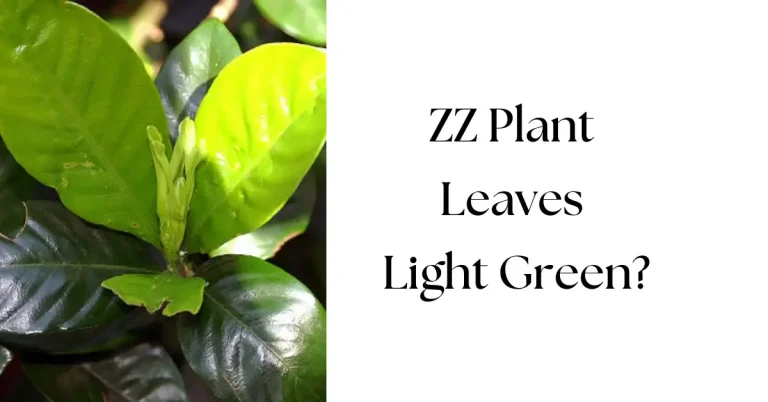
Noticed your ZZ plant’s lush, dark green leaves fading to light green? Don’t worry—this common issue often has a simple fix. Known for their striking foliage, ZZ plants (Zamioculcas zamiifolia) can lose their vibrant color…