Seven years ago I was exactly where you are: staring at a $60 Snow Queen pothos that was slowly turning green, frantically searching at midnight, and feeling like a terrible plant parent.
Fast-forward to 2026 and mine is the backdrop for half my Instagram photos.
The difference? I finally discovered what she actually wants instead of what the care tags say.
You’re about to learn it too.
Snow Queen Pothos vs Marble Queen vs Glacier: Which One Is Actually the “Snow Queen”?
The amount of mislabeled “Snow Queen” pothos on the market in 2026 is criminal. Here is your instant identification cheat sheet.
| Feature | Snow Queen | Marble Queen | Glacier | Manjula |
|---|---|---|---|---|
| Variegation percentage | 70–90% white | 50–70% white | 60–80% white | Patchy, wavy white |
| Leaf thickness | Very thin, delicate | Medium-thick | Thick, waxy | Curly edges |
| Growth speed | Slow | Moderate | Very slow | Slow |
| Reversion risk | Very high | Moderate | Low | Moderate |
| Price (6″ pot, 2026 avg) | 35–65 | 18–30 | 25–45 | 40–80 |
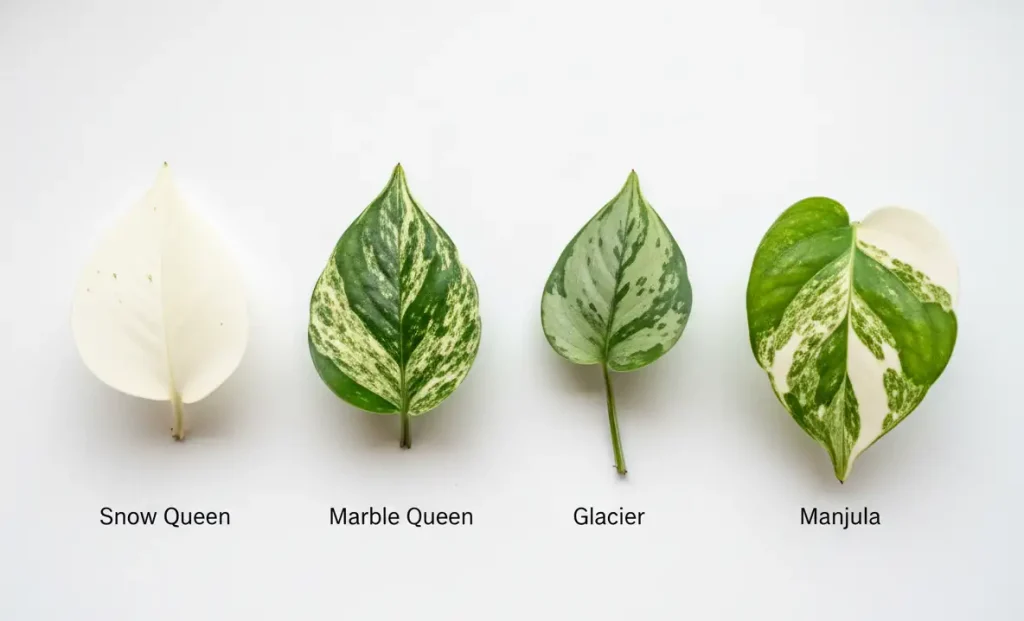
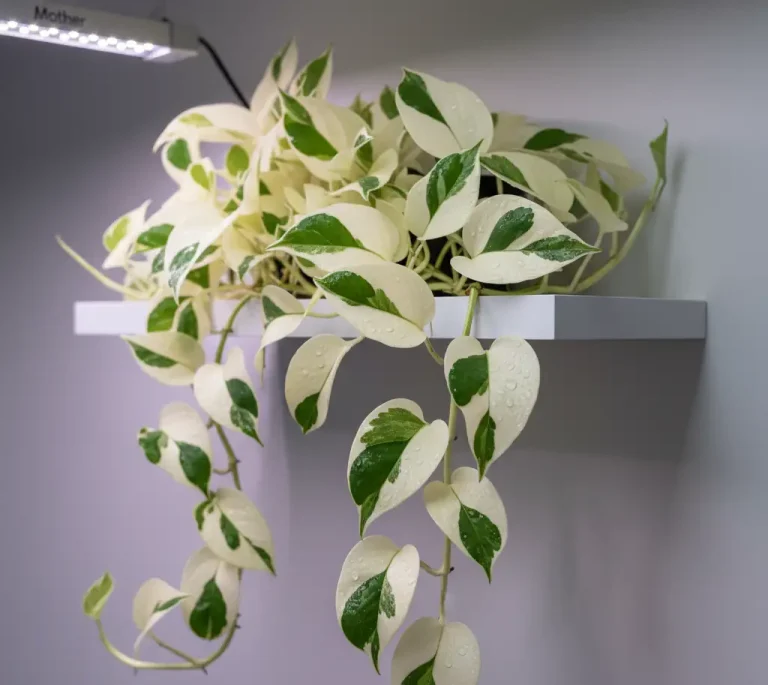
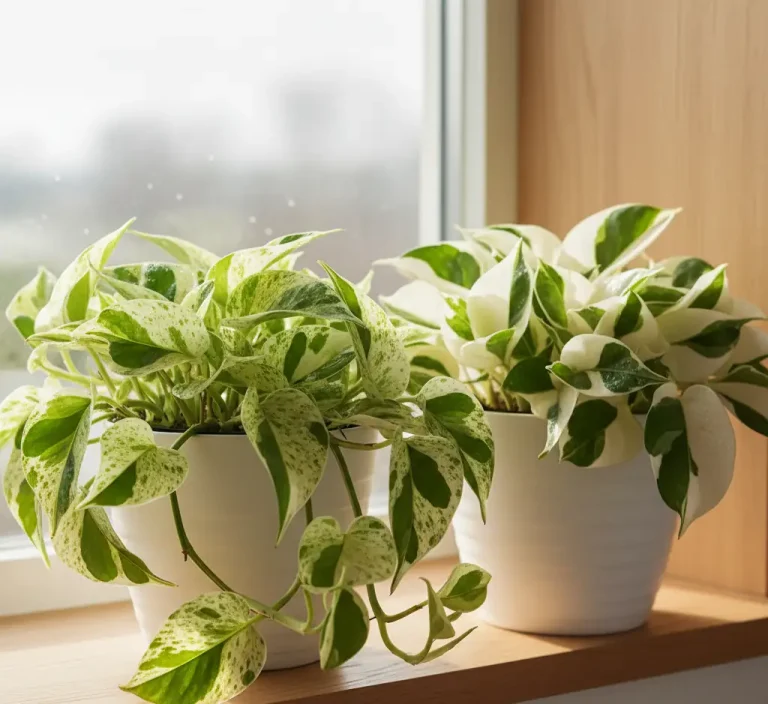
If your plant is mostly white with paper-thin leaves that almost look translucent in bright light, you own the true Snow Queen (Epipremnum aureum ‘Snow Queen’). Anything greener or thicker is probably Marble Queen or Glacier being passed off with the trendier name.
Light Requirements: The Make-or-Break Factor for Variegation
Variegated plants cannot photosynthesize through white sections, so Snow Queen is extremely light-hungry compared to her green cousins.
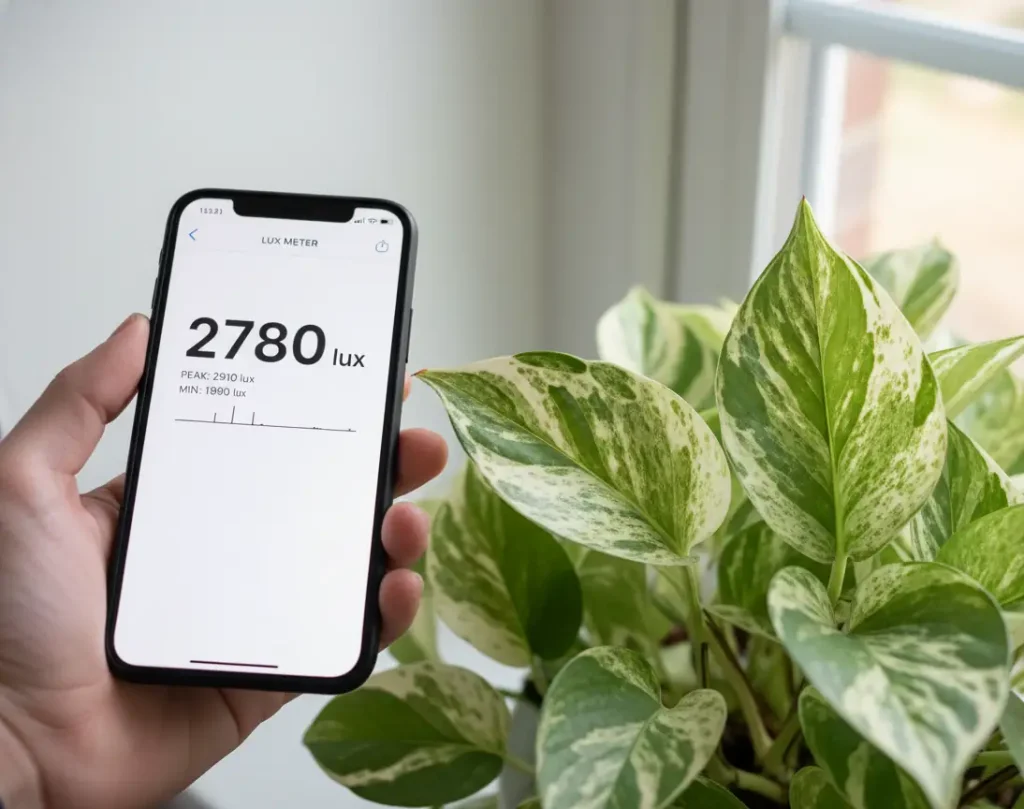
Exact Lux Numbers I Measure Daily
- Ideal range: 1,500–3,000 lux (bright indirect)
- Minimum to maintain variegation: 800 lux for more than four hours daily
- Low-light survival (reverts to green): 200–400 lux
- Direct sun tolerance: 0–30 minutes of gentle morning rays only
Real-World Placement Guide (Tested in My Own Home)
- East window: 1–3 feet away = perfect
- North window: directly on the sill
- West or south window: 8–10 feet back or behind a sheer curtain
- Grow lights: 20–30W full-spectrum LED, 10–16 inches above foliage, 12–14 hours per day
Pro move: rotate the pot one-quarter turn every week. The white sectors always stretch toward the light source and you will end up with a lopsided plant otherwise.
Watering Snow Queen Pothos: My Foolproof Schedule That Ended Root Rot Forever
Overwatering is the number one killer of Snow Queen pothos. I learned this after losing an entire six-foot specimen in 2020.
The “Lift + Finger” Method I Still Use in 2026
- Lift the pot. If it feels feather-light, water thoroughly.
- Insert your finger two inches into the soil. Bone dry = water. Even slightly damp = wait.
Seasonal Watering Calendar (Temperate Climate, Zones 9–10)
| Season | Frequency | Notes |
|---|---|---|
| Spring | Every 7–9 days | Growth resumes |
| Summer | Every 5–7 days | High heat + longer days |
| Fall | Every 10–14 days | Reduce volume slightly |
| Winter | Every 14–21 days | Cut volume by 50% |
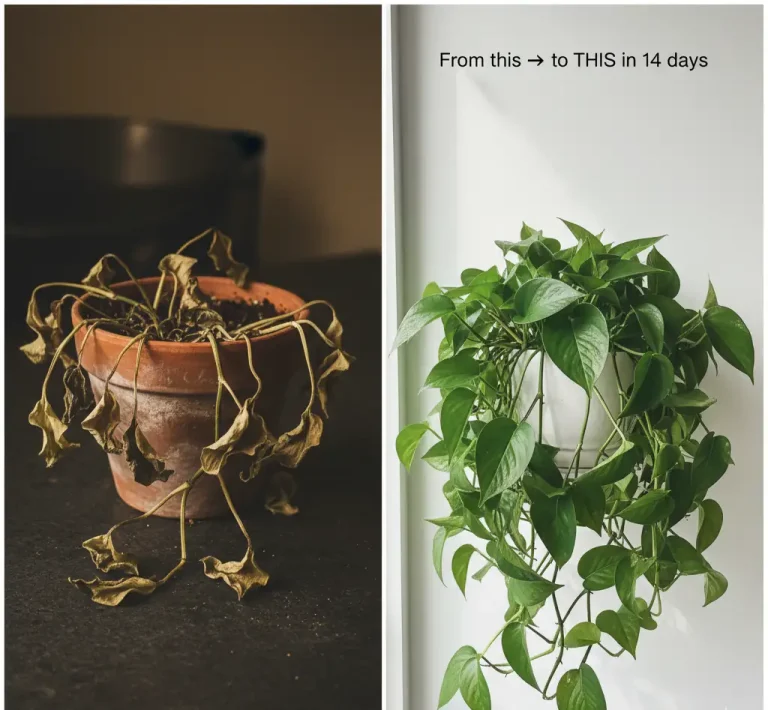
If the leaves droop dramatically but the soil is wet, you have overwatered. Immediate rescue protocol: remove from pot, trim blackened roots, repot in fresh mix, and withhold water for ten days.
Best Soil Mix & Potting Tips (The Recipe I Use Every Single Time)
Snow Queen hates sitting in water. After testing more than fifteen blends since 2019, this is my gold-standard mix.
Never-Fail Snow Queen Soil Recipe
- 40% high-quality indoor potting soil
- 30% perlite or pumice
- 20% fine orchid bark
- 10% worm castings or compost
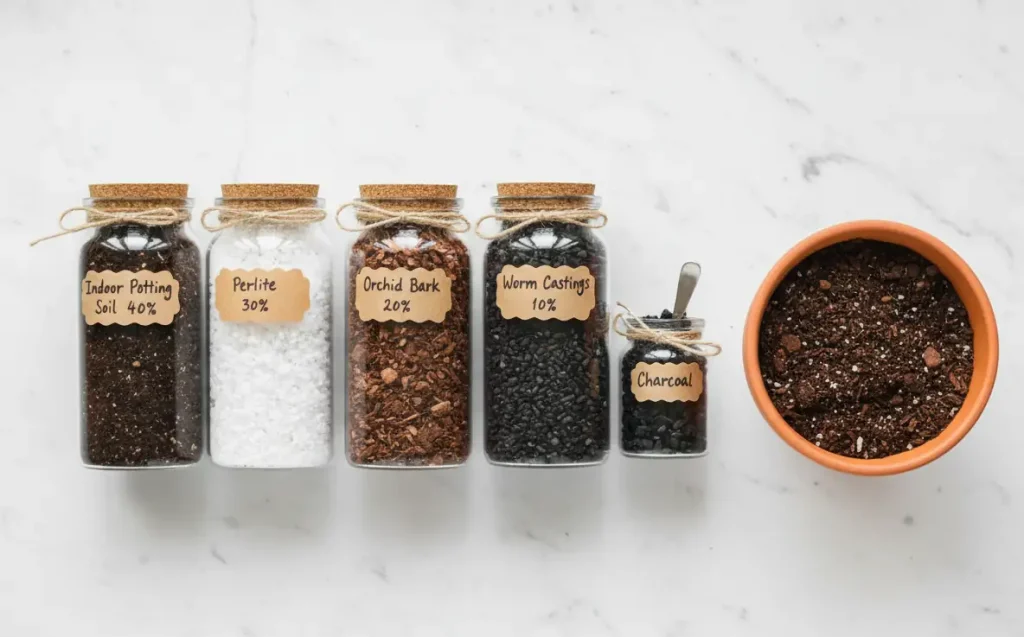
Add one tablespoon of horticultural charcoal per six-inch pot for extra fungus protection.
Pot Selection Rules
- Must have at least one drainage hole
- Unglazed terracotta is best (wicks excess moisture)
- Plastic nursery pots are fine temporarily
- Avoid decorative glazed ceramic without drainage
Temperature, Humidity & Airflow
| Factor | Ideal Range | Minimum | Maximum |
|---|---|---|---|
| Temperature | 65–85°F (18–29°C) | 55°F | 90°F brief |
| Humidity | 60–80% | 40% | 90% |
I run a small oscillating fan eight hours a day to keep air moving. Stagnant, humid conditions invite thrips and fungal issues faster than you can say “variegated heartbreak.”
Fertilizing Schedule for Maximum Variegation
Too much nitrogen forces green reversion. My 2026 routine:
- March through September: dilute balanced fertilizer (e.g., Dyna-Gro Grow or Liquinox E-199) to ¼ strength every third watering
- October through February: fertilize only once in December if supplemental lighting is strong
Propagation: How I Turned One $12 Plant Into 31 Free Ones
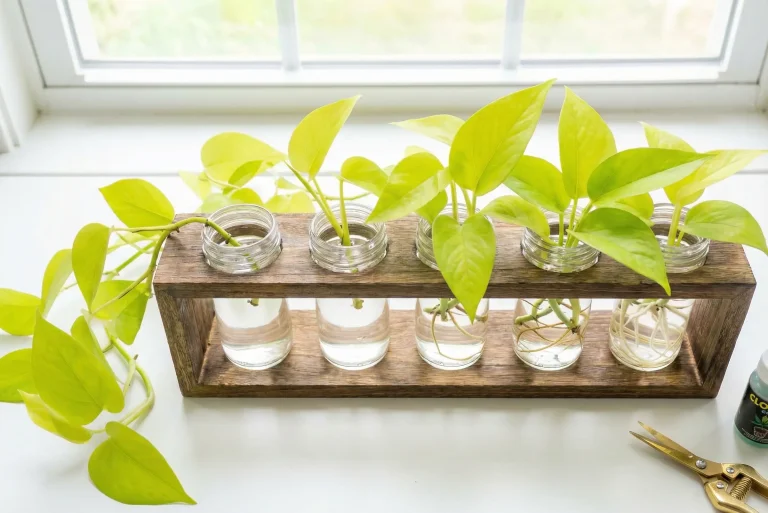
Water Propagation (My 92% Success Method)
- Cut just below a node with sterilized scissors
- Remove bottom leaf
- Place in filtered water, change weekly
- Roots appear in 10–21 days
- Pot up once roots reach two inches
Common Snow Queen Pothos Problems & 48-Hour Fixes
Yellow Leaves: Diagnosis Table
| Cause | Symptom | Fix |
|---|---|---|
| Overwatering | Yellow + mushy stems | Repot immediately |
| Underwatering | Yellow + crispy | Soak pot 20 min |
| Low light | New leaves yellow/green | Increase light gradually |
| Nutrient deficiency | Uniform pale yellow | Fertilize next three waterings |

Advanced Snow Queen Care Tips Most Blogs Miss
- Training up a moss pole vs letting it cascade
- Strategic pruning for bushier growth
- Transitioning to semi-hydro (Leca) successfully
- Winter light supplementation schedule for northern latitudes
- How to force variegation on new growth (yes, it is possible)
Toxicity & Pet Safety
According to the ASPCA (2026 database), all Epipremnum species are toxic to cats and dogs due to insoluble calcium oxalate crystals. My cat took one investigative nibble in 2022, drooled for ten minutes, and never touched another houseplant again. Keep vines out of reach or grow high.
Frequently Asked Questions
How often should I water my Snow Queen pothos?
Water thoroughly when the top two inches of soil are completely dry and the pot feels very light, typically every 7–14 days depending on season and environment.
Why is my Snow Queen pothos turning green?
It is receiving insufficient light. Variegated sections cannot survive below ~800 lux for extended periods, so the plant reverts to solid green for survival.
Can Snow Queen pothos tolerate direct sunlight?
Only gentle morning direct sun for 30 minutes maximum. Longer exposure causes sunburn within hours.
What is the difference between Snow Queen and Marble Queen pothos?
Snow Queen has 70–90% white variegation and thinner leaves. Marble Queen rarely exceeds 70% white and has thicker, slower-growing foliage.
How do I make my Snow Queen pothos grow faster?
Provide 2,000+ lux of bright indirect light, 65–80% humidity, and fertilize lightly during the growing season.
Is Snow Queen pothos toxic to cats and dogs?
Yes. It contains calcium oxalate crystals that cause oral irritation and vomiting if ingested.
How do I propagate Snow Queen pothos?
Take four to six-inch stem cuttings with at least one node, root in water or directly in soil. Roots form in two to four weeks.
Why are the leaves on my Snow Queen pothos getting smaller?
Small new leaves indicate insufficient light or lack of fertilizer during the growing season.
Conclusion
Seven years ago I was the panicked plant parent frantically searching “Snow Queen pothos yellow leaves” at midnight. Today my original plant spans twelve feet of creamy-white perfection and I have gifted more than thirty propagations to friends who now swear I have a green thumb.
You no longer have to guess. Bookmark this guide and refer back every time you second-guess care decisions. Your Snow Queen deserves to rule the room instead of just surviving it.
Drop a photo of your plant in the comments. I still respond to every single one.
Let’s make 2026 the year your Snow Queen finally gets the royal treatment she was born for.