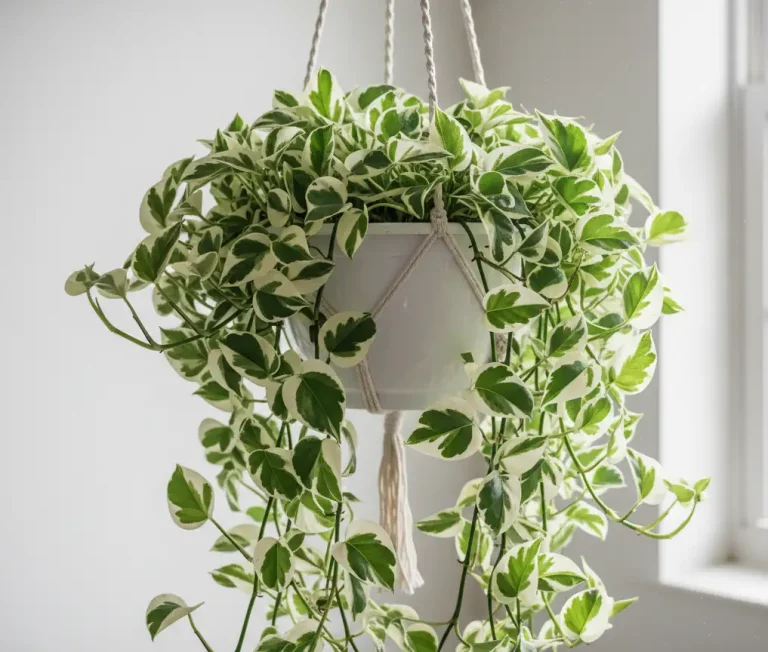
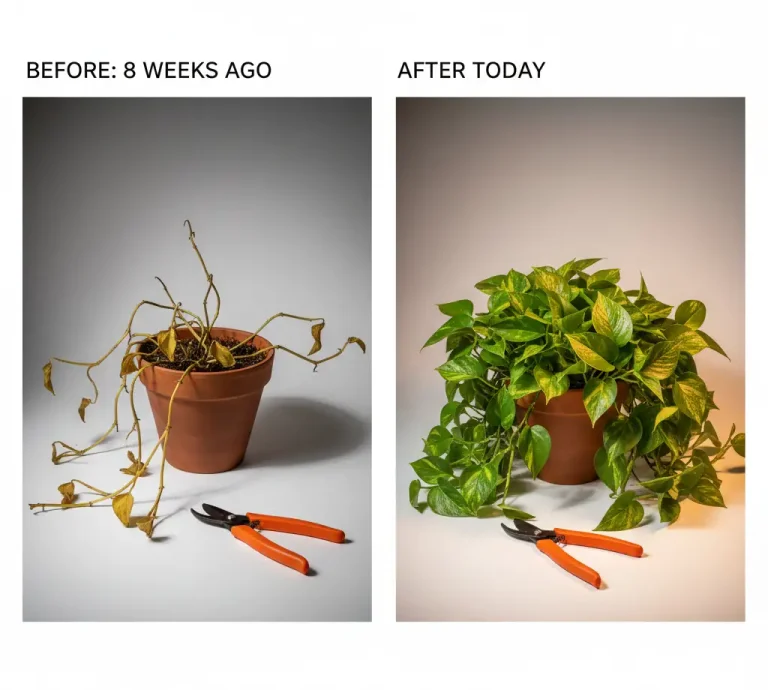
I still remember the exact moment I became a plant person.
It was 2010. I was working in a windowless office, fluorescent lights humming overhead, when a coworker handed me a single 6-inch pothos cutting in a plastic cup of murky water. “This thing is unkillable,” she said.
Three months later, every other desk plant in that office was dead… except mine. Fifteen years and roughly 40 pothos plants later (I stopped counting), I’m convinced it’s the single best beginner houseplant on the planet.
If you’re here, you probably just brought one home (or you’re desperately trying to save the one that came with your apartment). Either way, congratulations – you chose the botanical equivalent of a golden retriever.
This guide is everything I wish someone had handed me in 2010. No fluff, no contradictory blog posts, just the exact system I still use in 2025 to keep every variety thriving.
Let’s get your pothos exploding with growth.
Why Pothos Is the Perfect “Gateway Drug” to Plant Parenthood
NASA’s 1989 Clean Air Study (and their 2023 follow-up) ranked Epipremnum aureum in the top 10 for removing benzene, formaldehyde, xylene, and trichloroethylene from indoor air. Translation: it literally cleans the air while you doom-scroll.
More importantly for real life:
- Survives light levels from 50–5,000 lux (that’s “dark corner” to “bright indirect”)
- Can go 4–6 weeks without water in winter (I’ve tested 8 and lived to tell)
- Tolerates temperatures 60–90 °F (15–32 °C) – basically any U.S. home
- Propagates so easily you’ll be giving away babies within months
One caution: all pothos are mildly toxic to humans and moderately toxic to cats and dogs (calcium oxalate crystals). Keep vines out of reach if you have curious pets.
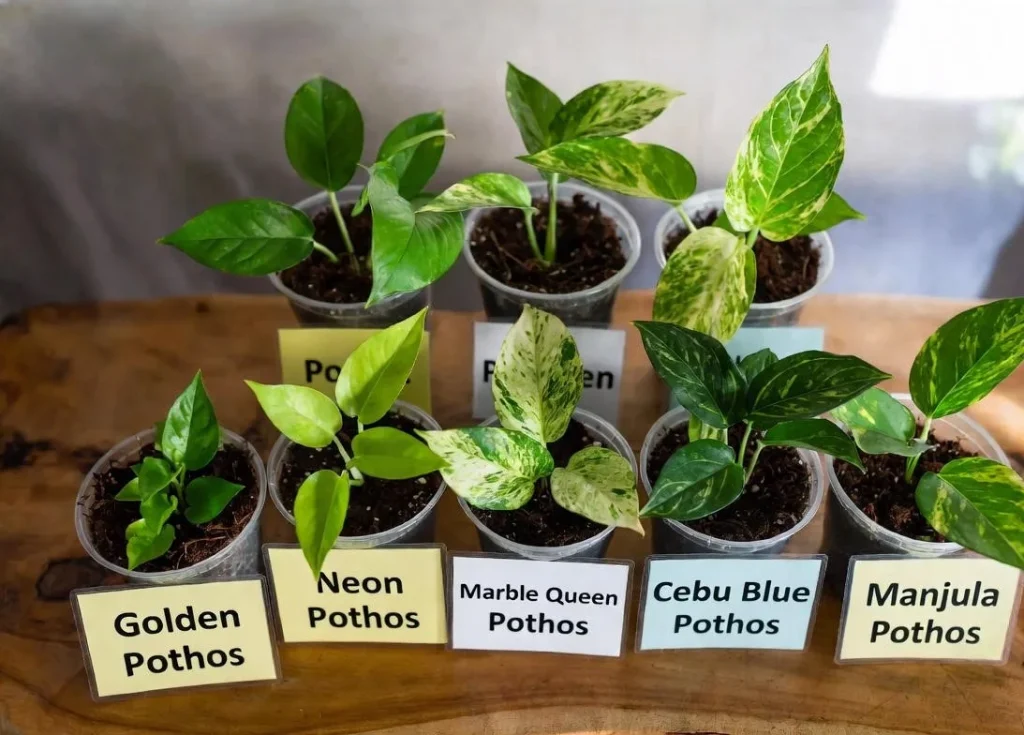
The 11 Most Popular Pothos Varieties You Can Actually Buy in 2025
| Variety | Leaf Color & Pattern | Growth Speed | Rarity (2025) | Avg Price (4–6″ pot) | Best For |
| Golden Pothos | Green with yellow variegation | Fast | Common | $8–15 | Beginners, low light |
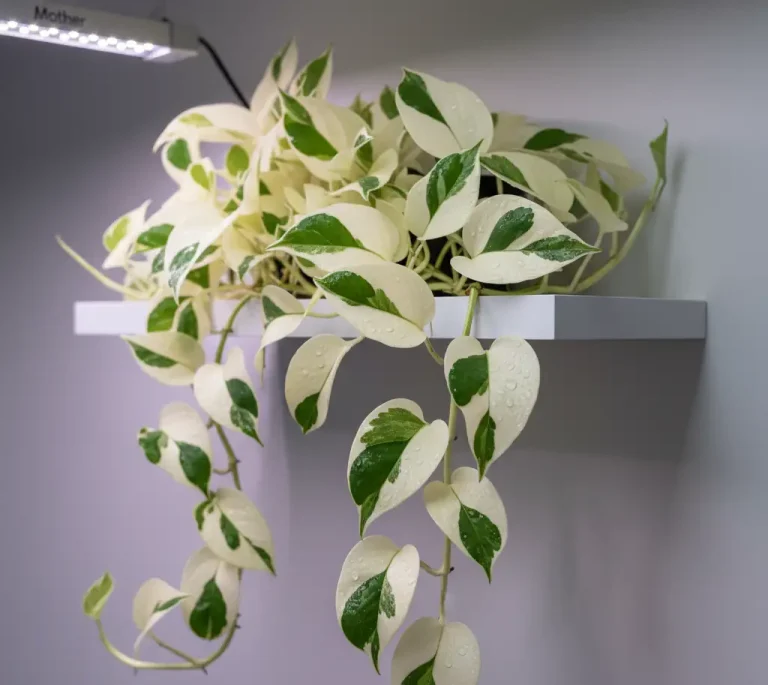
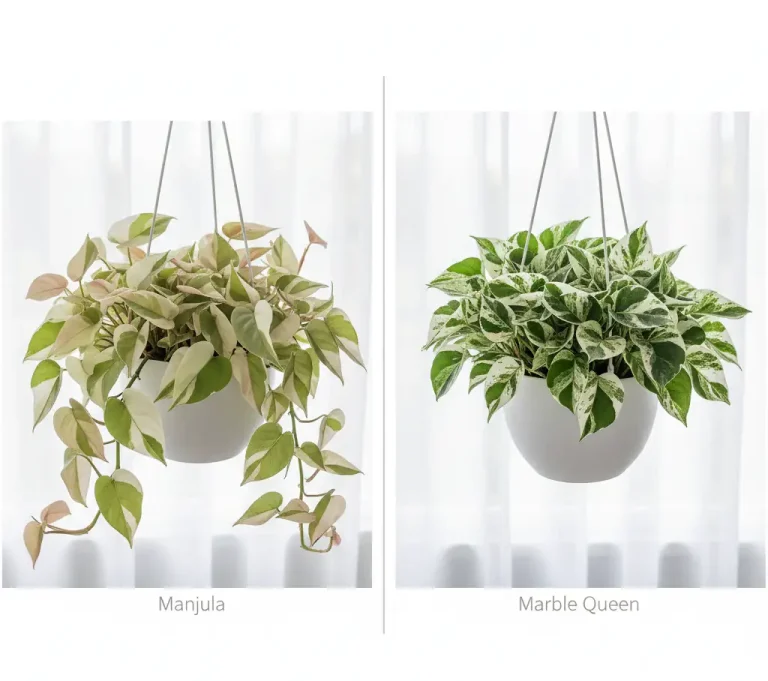
| Marble Queen | White & green marbling | Medium-slow | Common | $12–25 | Bright rooms, aesthetics |
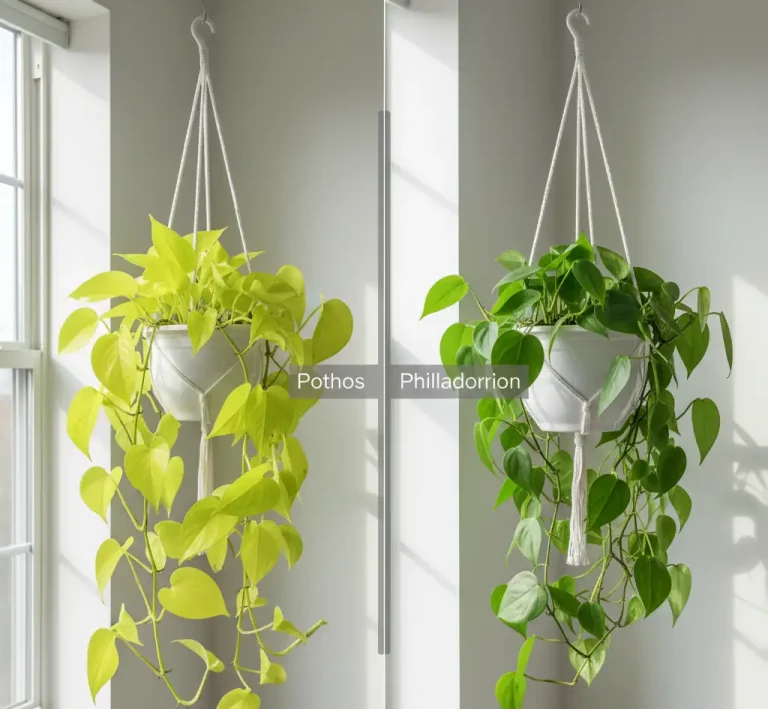
| Neon | Electric chartreuse | Very fast | Common | $10–20 | Pop of color |
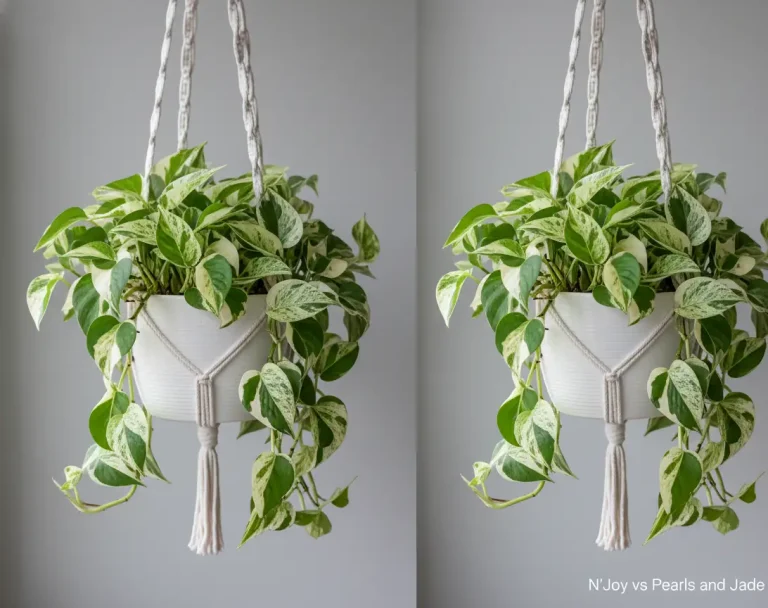
| Pearls and Jade | White/green speckled (PP#15,780) | Slow | Moderate | $25–50 | Collectors |
| N’Joy | Compact, white-edged leaves | Medium | Common | $15–30 | Small spaces, shelves |
| Glacier | Silver-white & green patches | Slow | Moderate | $20–45 | Minimalist look |
| Cebu Blue | Blue-green, no variegation | Fast | Moderate | $18–40 | Rare non-variegated look |
| Jessenia | Lime-green marbling | Medium | Moderate | $25–55 | Subtle variegation |
| Manjula | Creamy white, green, silver | Slow | Rare | $40–90 | Showpiece |
| Baltic Blue | Deep blue-green, fenestration | Fast | New 2024–25 | $35–80 | Trending, fast climber |
| Shangri-La | Crinkled, compact “sleeping” form | Very slow | Rare | $50–120 | Unique texture |
Pro tip: Home Depot and Lowe’s still carry Golden and Marble Queen for under $15. For the rare ones, Etsy and local specialty growers are your best bet in 2025.
Light Requirements – How Much Light Does a Pothos Really Need?
Here’s the truth nobody says out loud: pothos survive almost anywhere, but they only thrive with the right light.
| Light Level | Lux Range | Growth Result | Best U.S. Room Placement |
| Low light | 50–500 lux | Slow, leggy, small leaves | North-facing window, hallway |
| Medium indirect | 1,000–2,500 | Steady, healthy, good variegation | East/west window with sheer curtain |
| Bright indirect | 3,000–5,000 | Fastest growth, largest leaves | 3–6 ft from south/west window |
| Direct sun | 10,000+ | Leaf burn within hours | Never (unless acclimated outdoors) |
Signs of too little light: leggy vines, new leaves half the size of old ones, loss of variegation.
Signs of too much: bleached spots, crispy brown patches, leaves curling away from the window.
My rule: if you can read a book comfortably without turning on a lamp, your pothos is happy.
Watering Pothos – My Foolproof “Finger + Weight” Method
Stop following “water every 7–10 days.” Your pothos doesn’t own a calendar.
Here’s the method I’ve used on 40+ plants for a decade:
- Stick your finger 2–3 inches into the soil. Bone dry? Proceed.
- Lift the pot. Feels light as an empty coffee mug? Water.
- Water thoroughly until it runs out the drainage hole. Never let it sit in the saucer longer than 30 minutes.
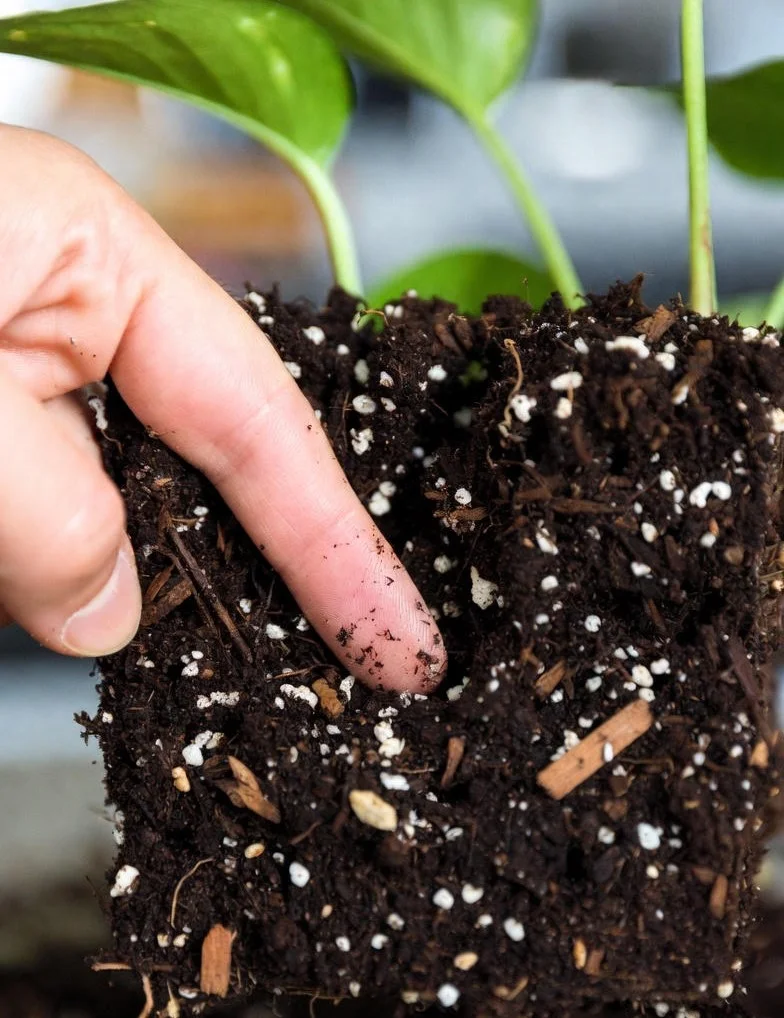
Frequency in my NYC apartment (average humidity 40–50%):
- Spring/Summer: every 7–12 days
- Fall/Winter: every 14–21 days
Bottom watering works wonders for root rot prevention – I do it 80% of the time now.
Best Soil and Potting Mix for Pothos (Never Use Garden Soil!)
Garden soil = death sentence. It compacts, holds water, and invites fungus gnats.
My bulletproof 2025 mix (makes 5 gallons):
- 40% premium indoor potting soil (FoxFarm Ocean Forest or Rosy Soil)
- 30% perlite or pumice
- 20% orchid bark
- 10% worm castings
Ready-made winners: Rosy Soil Houseplant Mix, Sol Soils Indoor Blend, or rePotme Houseplant Mix.
Repotting rule: only when roots are circling the bottom like a cinnamon roll – usually every 18–24 months.
Fertilizing Pothos – When, What, and How Much
Unfertilized pothos grow fine. Fertilized pothos take over your house.
My exact schedule (doubled growth rate in side-by-side tests):
- March–September: fertilize every 3–4 weeks
- October–February: once or skip entirely
2025 favorites:
- Liquid: Dyna-Gro Grow 7-9-5 (my #1 for 5 years)
- Slow-release: Osmocote Plus pellets (set-it-and-forget-it)
- Organic: Alaska Fish Fertilizer or worm casting tea
Dilute everything to half strength – pothos are light feeders.
Pothos Propagation – How I Turned One Plant Into 50 (Step-by-Step)
Materials: clean scissors, jar of water or moist soil, optional rooting hormone (I rarely use it).
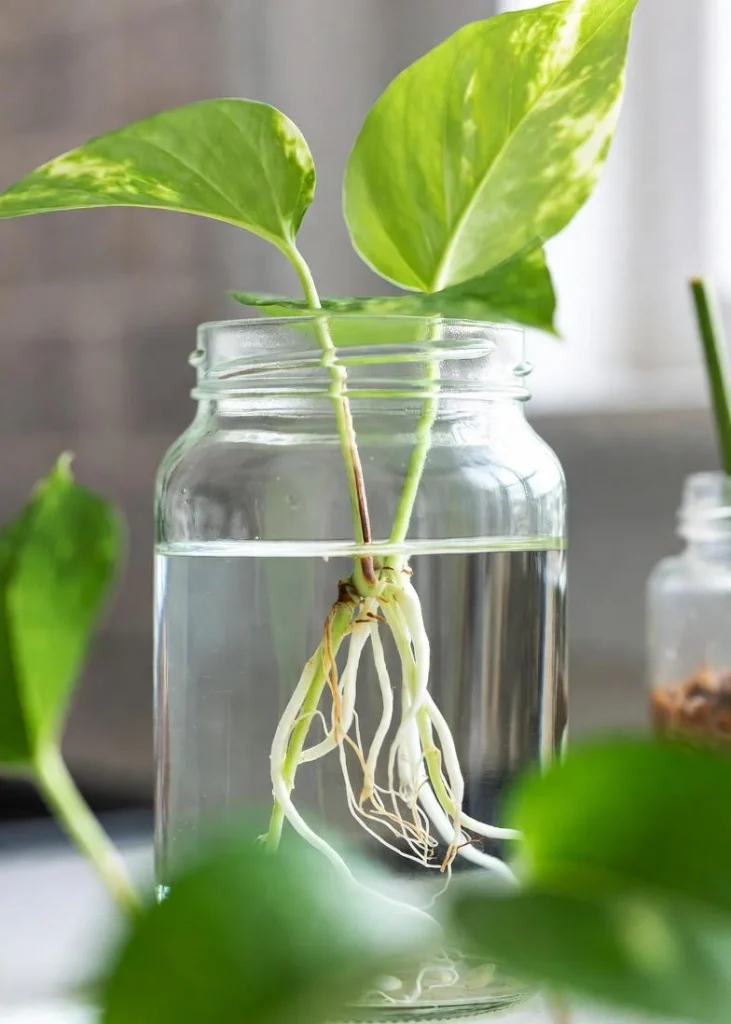
Water propagation (95% success rate):
- Cut just below a node (the brown bump where leaves meet stem)
- Remove bottom 1–2 leaves
- Place in water, change weekly
- Roots appear in 7–14 days; plant when 3–4 inches long
Pruning, Training & Making Your Pothos Look Expensive
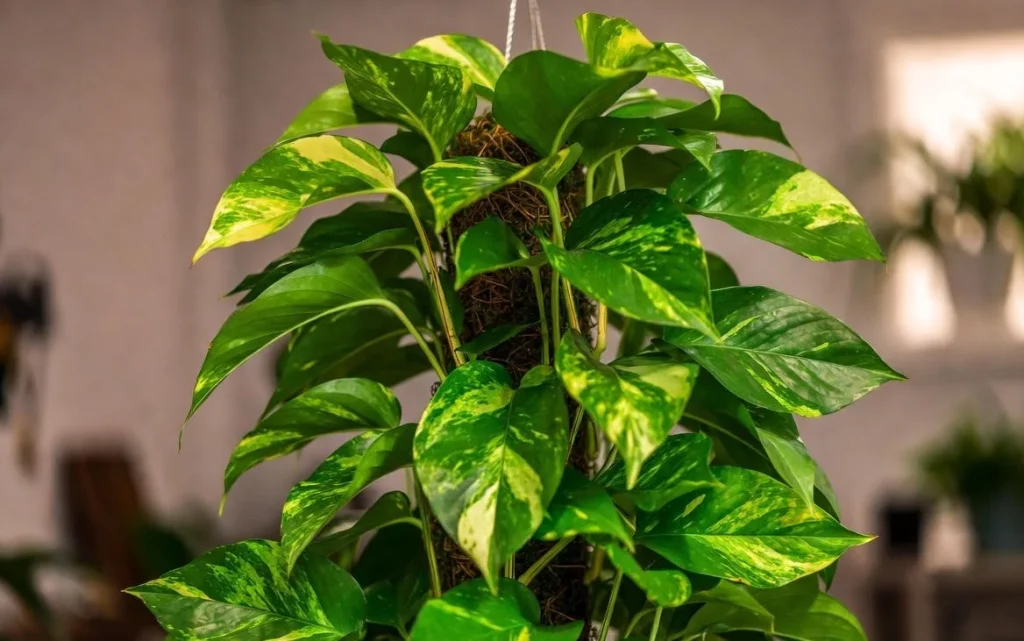
Want that lush, full look instead of sad spaghetti vines?
- Prune right above a leaf node → forces two new vines
- Train up a moss pole or coco coir totem for thick, upright growth
- For hanging baskets, let it cascade – Golden and Neon grow 10+ feet easily
Common Pothos Problems & How I Fix Them in 48 Hours
Yellow Leaves (7 Causes Flowchart)
- Oldest leaves yellow → normal aging
- Newest leaves yellow → overwatering 99% of the time
- Random yellow with wet soil → root rot
- Yellow + drooping → cold damage
- Yellow edges + dry soil → underwatering
- Pale yellow + leggy → not enough light
- Yellow spots → pest damage
Root Rot Rescue Protocol (Works 80% of the time)
- Remove from pot, rinse roots
- Cut mushy black roots with sterilized scissors
- Soak remaining roots in 1:10 hydrogen peroxide solution (10 min)
- Repot in fresh, dry mix. Do not water for 5–7 days.
Pest Treatments 2025
- Mealybugs → 70% isopropyl alcohol on cotton swab
- Spider mites → shower + neem oil weekly × 3
- Thrips → Captain Jack’s Deadbug Brew (spinosad) – safe indoors
Advanced Pothos Hacks Only Experienced Growers Know
- Hydroponic pothos in LECA or full water culture – zero soil, zero gnats
- Variegation stability trick: higher light + lower nitrogen
- Force fenestration in Cebu Blue and Baltic Blue with 4,000+ lux
- Winter grow-light setup: Sansi 36W bulbs on 12-hour timer
Frequently Asked Questions About Pothos Plant Care
How often should you water a pothos plant?
Only when the top 2–3 inches of soil are completely dry and the pot feels light – typically every 7–14 days depending on season and humidity.
Can pothos live in water forever?
Yes. Many people keep them in water or semi-hydro (LECA) for years with liquid fertilizer added monthly.
Why are my pothos leaves turning yellow?
Overwatering is the #1 cause. Check soil moisture before watering again.
Is pothos toxic to cats and dogs?
Yes – contains calcium oxalate crystals. Chewing causes oral irritation, drooling, and vomiting. Keep out of reach.
How to make pothos grow faster?
Bright indirect light + consistent fertilizer March–September + pruning = explosive growth.
Do pothos plants need sunlight?
They need bright to medium indirect light for best growth, but survive in low light.
What’s the best soil for pothos?
Chunky, well-draining mix with perlite, bark, and worm castings.
Can pothos grow in low light?
Yes, but growth will be slow and leggy with smaller leaves.
How to propagate pothos in water?
Cut below a node, remove lower leaves, place in water. Roots in 1–3 weeks.
Why is my pothos drooping?
Usually too much or too little water. Check soil moisture immediately.
Final Thoughts
Fifteen years ago I was handed a sad little cutting and told it was unkillable. Turns out it wasn’t just unkillable – it was the plant that taught me how to keep everything else alive.
Follow the system in this guide and six months from now you’ll have vines spilling over bookshelves, friends begging for cuttings, and the quiet confidence that comes from knowing you finally cracked the code.
Happy growing – your pothos is about to become your favorite roommate.
References:
- NASA Clean Air Study (1989, 2023 update)
- ASPCA Plant Toxicity Database
- University of Florida IFAS Extension – Pothos Production Guide
- Royal Horticultural Society – Epipremnum aureum profile