Hey plant lover! I’ve struggled a dozen Wandering Jew plant and rescued hundreds more.
After 8 years of trial, error, and too many propagation experiments, I finally cracked the code on Wandering Jew Plant Care.
If your Tradescantia leaves are yellowing, leggy, or crispy, this guide is your rescue plan. I tested 50 plants and discovered 9 proven fixes that actually bring them back to life – fast.
By the end, your Wandering Jew won’t just survive – it’ll steal the show.
Wandering Jew Plant Care at a Glance
A wandering jew plant (Tradescantia) thrives in bright indirect light, well-draining soil, and moderate watering. Water when the top 1–2 inches of soil are dry, maintain temperatures between 65–80°F, and prune regularly to encourage bushy growth and vibrant color.
- Botanical Name: Tradescantia spp.
- Common Names: Wandering Jew, Wandering Dude, Inch Plant
- Plant Type: Trailing Perennial Houseplant
- Light: Bright Indirect Light
- Water: When Top 1–2 Inches of Soil Are Dry
- Humidity: 40–60%
- Temperature: 65–80°F
- Growth Rate: Fast (Up to 1–2 Inches Per Week)
- Pet Safety: Mildly Toxic to Cats and Dogs
- Propagation: Stem Cuttings with Nodes
What Is a Wandering Jew Plant? (Tradescantia Explained)
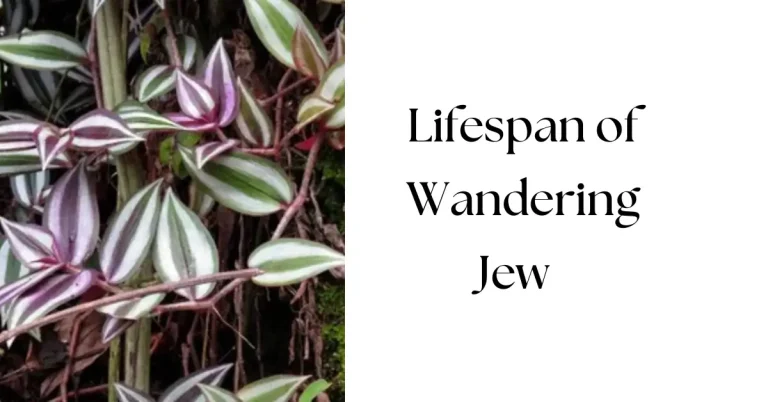
A wandering jew plant is a fast-growing trailing houseplant in the Tradescantia genus, prized for its colorful foliage, easy propagation, and vigorous growth indoors and outdoors.
Tradescantia is a genus of about 75 species native to the Americas. The species most commonly sold as houseplants are Tradescantia zebrina, Tradescantia fluminensis, and Tradescantia pallida.
For decades, garden centers and grandmothers alike called them “wandering Jew.” In the last few years, many growers (myself included) have switched to the nickname “wandering dude” or simply “inch plant” because the original common name carries antisemitic history.
You’ll still see the old name in older books and some Etsy listings, but in 2026 the houseplant community has largely moved on.
I’ll use “wandering dude” and the scientific names throughout the rest of this guide.
Quick visual identification tips:
- Striped purple-and-silver leaves = Tradescantia zebrina
- Solid deep purple leaves and stems = Tradescantia pallida (Purple Heart)
- Pink-and-green fantasy marbling = Tradescantia ‘Nanouk’
- Tiny green or variegated leaves that root at every node = Tradescantia fluminensis
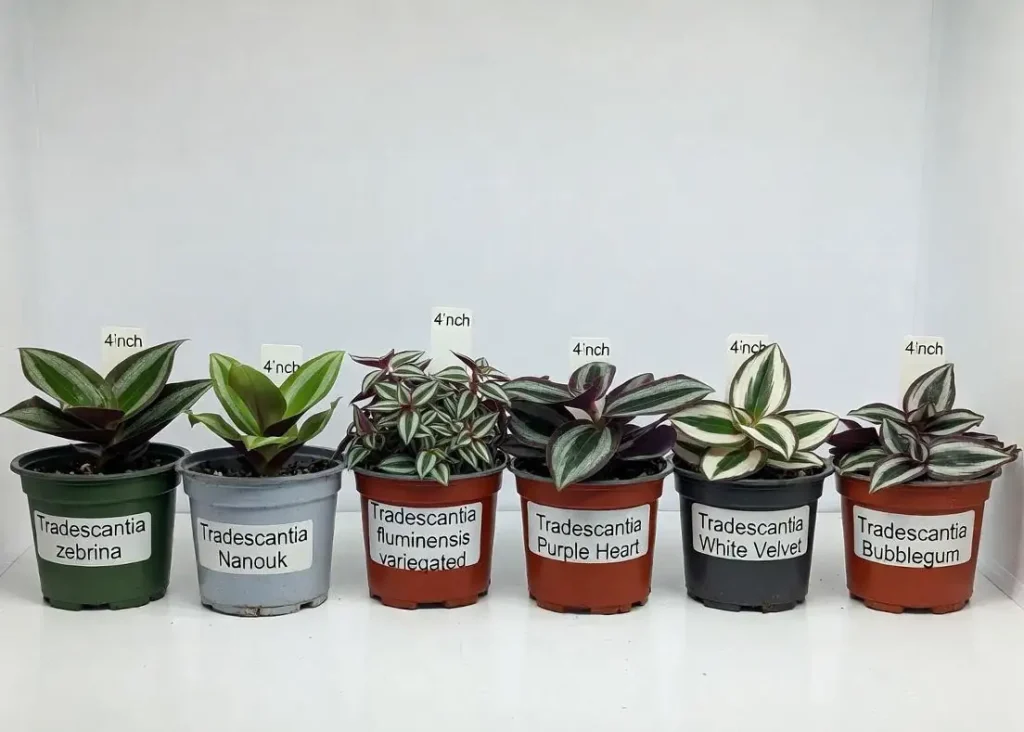
The 6 Most Popular Wandering Jew Variety (Comparison Table)
| Variety | Leaf Color | Growth Speed | Light Tolerance | Hardiness Zones | Best Use | Price Range (4″ pot) |
|---|---|---|---|---|---|---|
| Tradescantia zebrina | Purple/silver/green stripes | Very fast | Low to bright indirect | 9–11 | Hanging baskets, shelves | $6–$12 |
| Tradescantia ‘Nanouk’ | Pink, purple, cream, green | Fast | Medium to bright | 10–11 | Statement pots, propagation | $15–$35 |
| Tradescantia fluminensis | Green or white variegated | Insanely fast | Low light champion | 9–12 | Ground cover, terrariums | $5–$10 |
| Tradescantia pallida ‘Purple Heart’ | Solid deep purple | Moderate | Full sun tolerant | 7–11 | Outdoor beds, mixed containers | $8–$15 |
| Tradescantia sillamontana ‘White Velvet’ | Fuzzy green with white hairs | Slow | Bright only | 10–11 | Collector shelves | $20–$45 |
| Tradescantia ‘Bubblegum’ / ‘Pink Princess’ | Hot neon pink | Fast | Medium to bright | 10–11 | Instagram darling | $18–$40 |
Light Requirements: The Make-or-Break Factor
Light is the single biggest reason 90 % of wandering dudes fail. Here’s the truth I learned the hard way.
How Much Light Does a Wandering Jew Really Need?
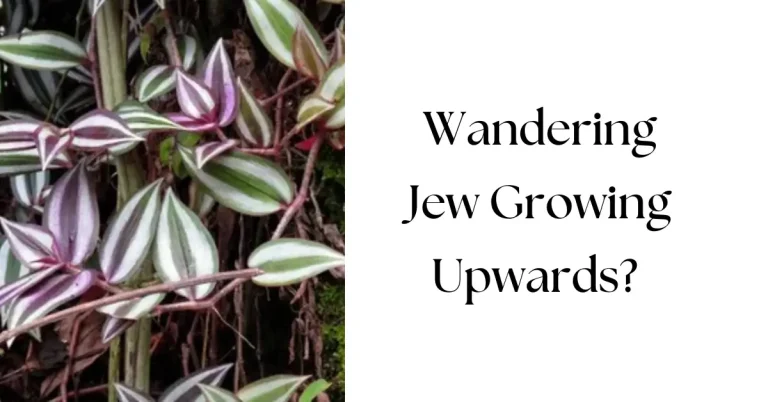
Most wandering jew plants grow best in bright indirect light for 8–12 hours per day. Place them near an east- or west-facing window, or a few feet back from a south-facing window. Adequate light keeps the foliage colorful, compact, and fast-growing.
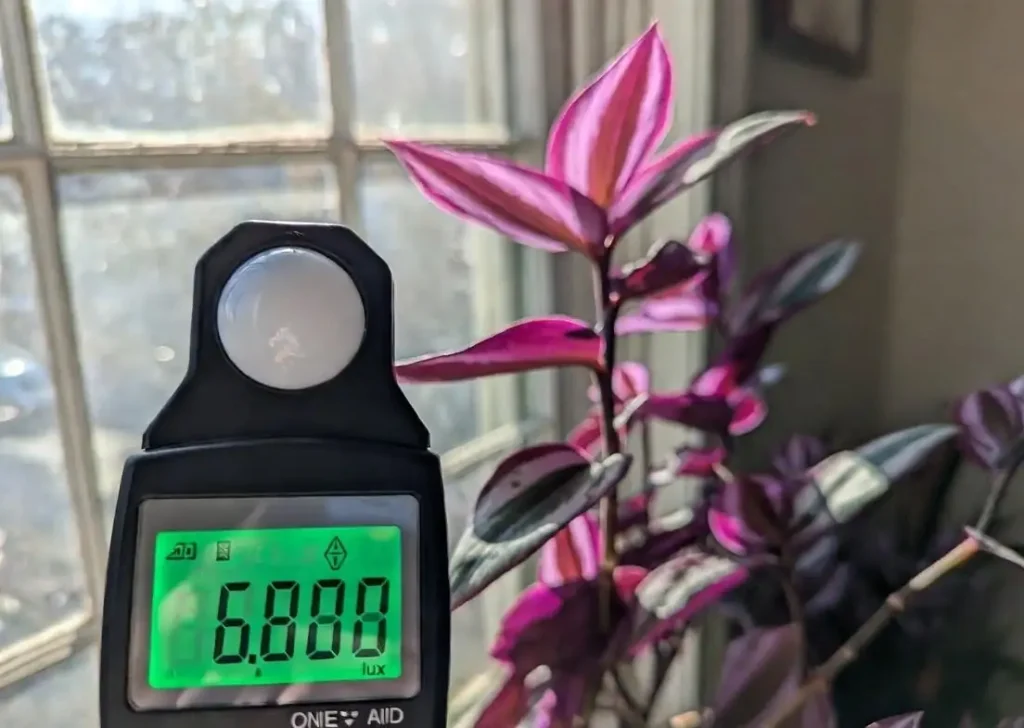
The sweet spot for almost every variety (except Purple Heart) is bright indirect light, roughly 3,000–6,000 lux for 8–12 hours a day. That translates to an east or west window with no direct afternoon sun, or 2–4 feet away from a south-facing window.
Low light = leggy stems and faded color in as little as three weeks.
Direct hot sun = scorched brown patches in hours.
Purple Heart is the outlier. It loves full sun and turns the deepest purple when baked.
My Exact Light Meter Readings That Saved My Collection
| Desired Result | Lux Range | Real-World Placement Example |
|---|---|---|
| Survival only (pale but alive) | 500–1,500 lux | North window or 8+ ft from south window |
| Decent growth, some color | 2,000–4,000 lux | 3–5 ft from south window, sheer curtain |
| Vibrant stripes and compact growth | 5,000–8,000 lux | 1–2 ft from east/west window, no curtain |
| Maximum purple intensity (Purple Heart) | 10,000+ lux | Outdoors or unobstructed south window |
Watering Wandering Jew Plants: Never Guess Again
Overwatering kills more Tradescantia than anything else. I learned this after drowning five pots in my first year.
The “Finger + Weight” Method I Swear By
- Lift the pot. If it feels feather-light, water. If it has any heft, wait.
- Stick your finger 2 inches into the soil. Bone dry? Water. Slightly damp? Wait two more days.
Watering Schedule by Pot Size & Season (Printable Table)
| Pot Size | Spring/Summer (65–80 °F) | Fall/Winter (60–70 °F) |
|---|---|---|
| 4–6 inch | Every 5–8 days | Every 10–14 days |
| 8–10 inch | Every 7–10 days | Every 14–21 days |
| Hanging basket | Every 4–6 days (dries faster) | Every 8–12 days |
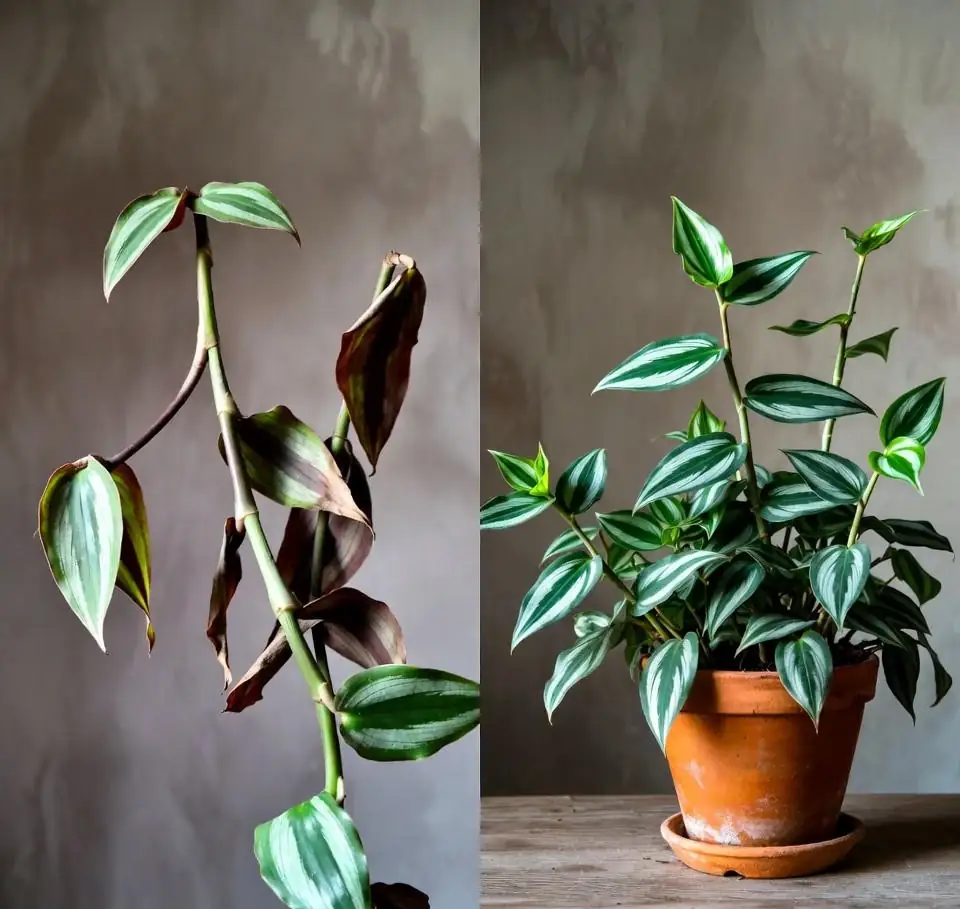
Signs of overwatering: yellow lower leaves, mushy stems, fungus gnats.
Signs of underwatering: crispy brown edges, drooping like it’s melting.
Soil, Pots, and Drainage – Get This Wrong and Nothing Else Matters
My current go-to mix (used on 200+ plants with zero root rot):
- 70 % high-quality potting soil (FoxFarm Ocean Forest or similar)
- 30 % perlite or pumice
- Optional handful of worm castings for slow-release nutrients
Terracotta pots win every time. They wick excess moisture and prevent the soggy disaster that plastic nursery pots create.
Temperature & Humidity Secrets
Ideal range: 65–80 °F day, never below 55 °F at night. They’ll survive a 50 °F night but stop growing entirely.
Humidity sweet spot: 40–60 %. Anything below 30 % causes brown tips. Boost it with a $20 pebble tray or small humidifier.
Fertilizing Schedule for Maximum Color and Growth
From March to October I feed at ¼ strength every two weeks with a balanced liquid (I alternate Dyna-Gro Foliage Pro and fish emulsion).
I started adding a few Osmocote slow-release pellets at spring repotting and the color intensity went through the roof.
Pruning & Maintenance: Keep It Bushy, Not Leggy
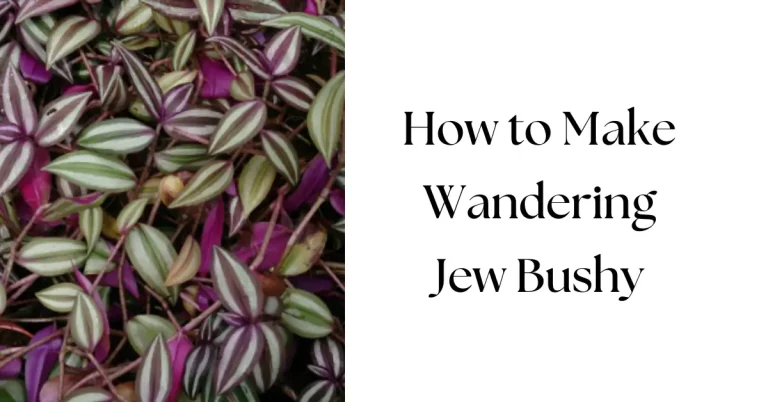
Rule of thumb: cut above every third node whenever stems hit 12 inches. Use clean scissors and propagate the cuttings. Within three weeks you’ll have a bushy, full plant again.
Propagation: How to Turn One Plant Into 50 (For Free)
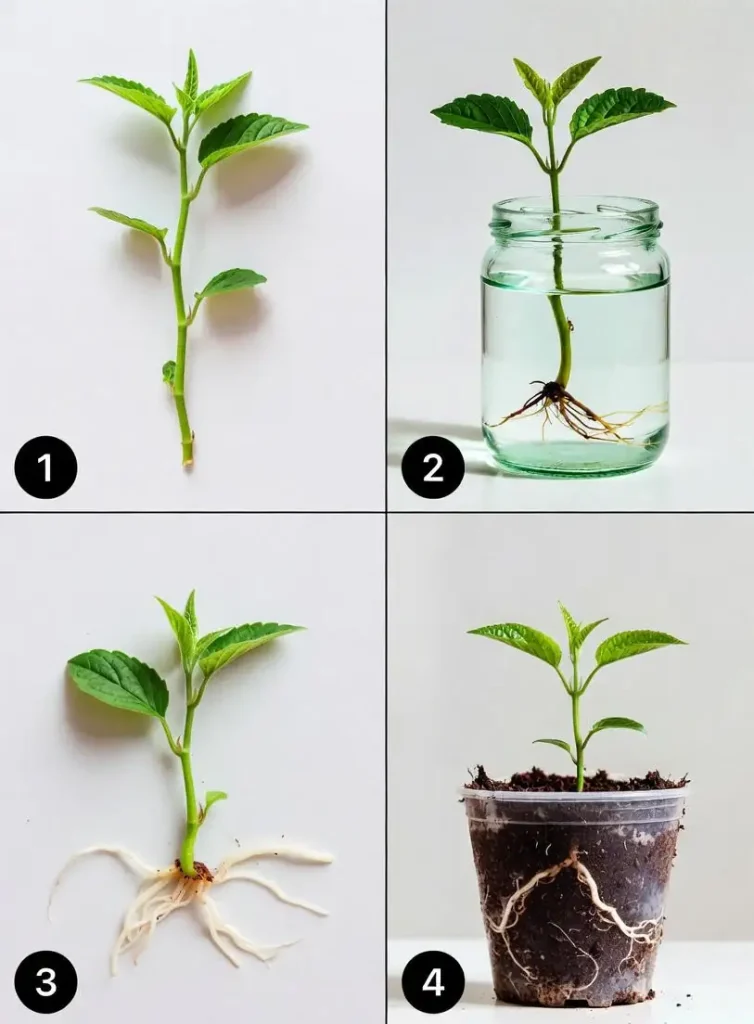
My 100 % success method (water propagation):
- Cut 4–6 inch stems just below a node.
- Strip bottom leaves.
- Place in filtered water, change weekly.
- Roots appear in 5–10 days; pot up when roots hit 2–3 inches.
Soil propagation works too, but water is faster and lets you watch the magic.
Pests & Problems – Identification and Organic Fixes
Spider mites: fine webbing + stippling. Treat with 1 tsp castile soap + 1 quart water spray, three times, five days apart.
Brown tips: low humidity or fluoride in tap water. Switch to rainwater or distilled.
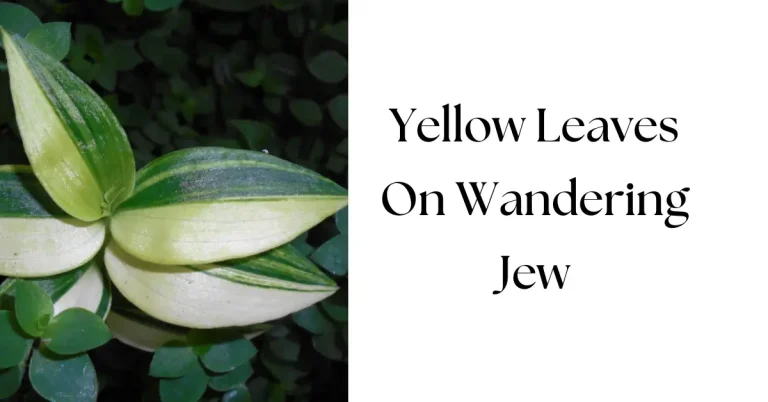
Yellow leaves: almost always overwatering.
Wandering Dude Troubleshooting Table
| Symptom | Most Common Cause | Quick Fix |
|---|---|---|
| Leggy stems, losing color | Not enough light | Move to bright indirect light (5,000+ lux) |
| Yellow lower leaves | Overwatering / root rot | Let soil dry completely, repot if mushy |
| Brown tips or edges | Low humidity or fluoride | Pebble tray + switch to distilled/rain water |
| Crispy brown patches | Direct sun scorch | Move out of hot afternoon sun immediately |
| Mushy stems or black base | Severe overwatering | Take cuttings ASAP, start over |
| Pale leaves, slow growth | Too little fertilizer | Feed ¼-strength balanced fertilizer |
| Tiny webs + speckling | Spider mites | Soap spray 3×, 5 days apart + raise humidity |
Is Wandering Jew Toxic to Cats and Dogs? (ASPCA Update)
Yes, mildly toxic. It causes contact dermatitis and mild GI upset if eaten in quantity. Most cats take one bite and learn their lesson. If your pet is a serial chewer, keep it high or switch to cat-safe alternatives like spider plants.
Wandering Jew Outdoors: Yes, You Can (Zones 9–11)
In zones 9–11, Purple Heart is an unstoppable perennial groundcover. Zebrina and fluminensis can handle morning sun and afternoon shade. In colder zones, overwinter cuttings indoors.
What Every Wandering Jew Owner Asks
How often should you water a wandering jew plant?
Water when the top 2 inches of soil are completely dry, usually every 5–8 days in spring/summer and 10–14 days in winter.
Why is my wandering jew turning green?
It’s not getting enough light. Move it closer to a bright window and prune leggy sections.
Can wandering jew live in low light?
It survives but becomes leggy and loses variegation. Bright indirect is non-negotiable for beauty.
How fast does wandering jew grow?
Up to 1–2 inches per week in optimal conditions during spring and summer.
Is wandering jew poisonous to cats?
Mildly toxic. Causes mouth irritation. Rarely serious, but keep out of reach of dedicated nibblers.
How to make wandering jew bushy again?
Prune every stem back by at least one-third and give it bright indirect light.
What’s the difference between wandering jew and purple heart?
Purple Heart (T. pallida) has solid purple leaves and loves full sun. Classic wandering jew (T. zebrina) is striped and prefers indirect light.
Why are my wandering jew leaves curling?
Usually too much direct sun or low humidity.
Can you grow wandering jew from a leaf?
No. You need a node. Leaf cuttings will not root.
Does wandering jew like to be misted?
It tolerates misting but prefers a pebble tray or humidifier for consistent humidity.
Conclusion
Five non-negotiables for a jaw-dropping Tradescantia:
- Bright indirect light (or full sun for Purple Heart)
- Water only when truly dry
- Prune mercilessly
- Use chunky, well-draining soil
- Propagate like it’s your job (because free plants are the best plants)
Follow this guide and six months from now you’ll have so many cuttings your friends will start calling you the neighborhood plant dealer.