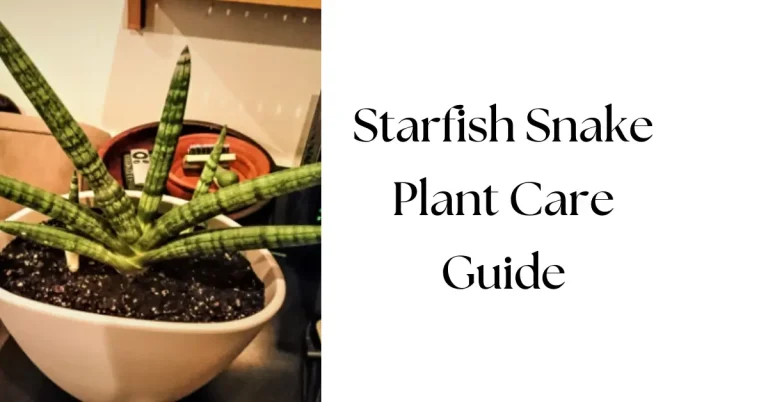
Sansevieria Dragon Fingers is one of my favorite plants because it’s super easy to take care of and looks amazing in any room. I’ve learned a lot about it, and I’m here to share everything I know so you can take great care of your plant too.
Stick around, and I’ll share tips on how to keep your plant happy, how to grow more of them, and how to fix any issues that come up. Trust me, you’ll be a pro in no time!
What is Sansevieria Dragon Fingers?
Sansevieria Dragon Fingers is part of the snake plant family (Dracaena). It has long, upright leaves with pointed tips. Like other snake plants, it is drought-resistant and improves indoor air quality by filtering toxins.
Benefits of Growing Sansevieria Dragon Fingers
- Air Purification – Helps remove harmful toxins like formaldehyde and benzene.
- Low Maintenance – Requires little water and thrives in different light conditions.
- Drought Resistant – Can survive weeks without watering.
- Perfect for Small Spaces – Grows vertically, making it ideal for compact areas.
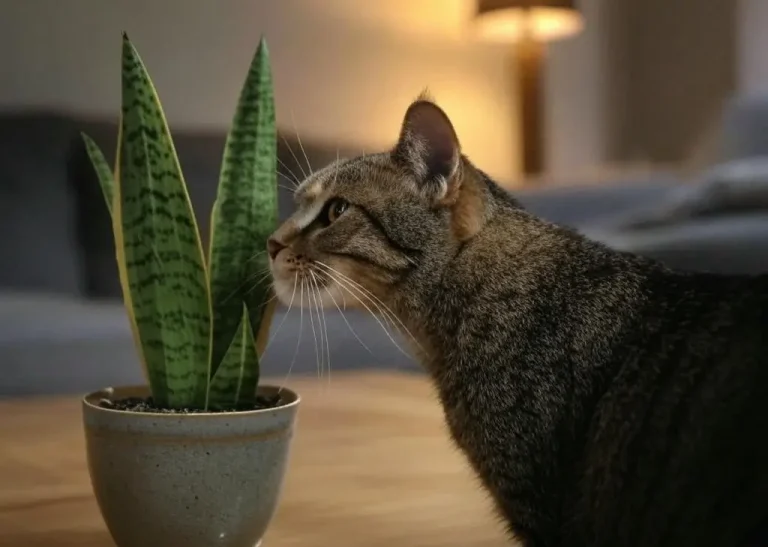
- Pet Safety Note – Toxic to pets if ingested.
How to Care for Sansevieria Dragon Fingers
Light Requirements
Sansevieria Dragon Fingers prefers bright, indirect light but tolerates low light conditions. Avoid direct sunlight, which can scorch its leaves.
Best Soil and Potting Mix
- Use a well-draining soil mix, like a cactus or succulent blend.
- Add perlite or sand to improve drainage.
- Ensure the pot has drainage holes to prevent root rot.
Water
- Water once every 2-3 weeks.
- Let the soil dry completely between waterings.
- Reduce watering in winter when growth slows.
- Signs of overwatering: Yellowing leaves, mushy roots.
- Signs of underwatering: Wrinkled, curling leaves.
Temperature & Humidity
- Ideal range: 65-85°F (18-29°C).
- Protect from cold drafts and temperatures below 50°F (10°C).
- Normal indoor humidity levels are fine.
Essential Care & Maintenance
Fertilization
- Feed with a balanced liquid fertilizer (diluted) once a month in spring and summer.
- Avoid fertilizing in fall and winter when growth slows.
Pruning and Repotting
- Trim damaged or yellow leaves at the base.
- Repot every 2-3 years or when roots outgrow the pot.
- Use a slightly larger pot with fresh soil mix.
How to Propagate Sansevieria Dragon Fingers
Leaf Cuttings Method
- Cut a healthy leaf into 3-inch sections.
- Let cuttings dry for 24 hours.
- Plant in moist soil and keep in indirect light.
- Water sparingly until roots develop.
Division Method
- Remove the plant from the pot.
- Gently separate root clusters (rhizomes).
- Replant divisions into separate pots.
Common Problems & Solutions for Sansevieria Dragon Fingers
Pests & Diseases
- Spider Mites & Mealybugs – Wipe leaves with neem oil or insecticidal soap.
- Root Rot – Prevent by not overwatering and using well-draining soil.
- Fungal Issues – Improve air circulation and avoid excess moisture.
Troubleshooting Growth Issues
| Problem | Cause | Solution |
| Leaves curling | Underwatering | Increase watering slightly |
| Yellowing leaves | Overwatering | Let soil dry before next watering |
| No new growth | Low light | Move to a brighter spot |
FAQs About Sansevieria Dragon Fingers Plant Care
How Big Does Sansevieria Dragon Fingers Grow?
It can grow up to 3 feet (90 cm) tall indoors.
Can It Survive in Low Light?
Yes, but it grows slower in very dim conditions.
Is This Plant Toxic to Pets?
Yes, it is toxic if ingested by cats or dogs.
What’s the Best Way to Clean the Leaves?
Wipe leaves with a damp cloth every few weeks to remove dust.
Can I Keep It Outside Year-Round?
Only if temperatures stay above 50°F (10°C). Bring indoors during cold months.
Wrapping Up
Sansevieria Dragon Fingers is a hardy, stylish plant that’s easy to care for. It’s not only easy to care for but also adds a unique, vertical touch to any space. With the right light, watering routine, and occasional maintenance, it can thrive for years.
Try growing one today and enjoy its beauty with minimal effort!
Further Reading: