When I first started collecting houseplants, snake plants quickly became my favorite. They’re tough, stylish, and don’t need constant attention—what’s not to love? Over time, I discovered just how many different types exist, and each one has its own charm.
So, how many types of snake plants are there? There are over 70 species. Some grow tall and dramatic, while others stay small and compact. Their leaf colors range from deep green to vibrant yellow-striped patterns.
Curious about which one fits your home best? Keep reading—I’ll walk you through 15 of the most popular types and what makes each one special!
What Are Snake Plants?
The snake plant (Sansevieria or Dracaena) is an enduring, attractive houseplant that originally came from tropical areas in West Africa. They thrive in similar warm regions around the world, such as Florida, South Asia, and Southeast Asia, where frost is rare, and temperatures stay above freezing year-round.
Their tall, pointed leaves have earned them the nickname Mother-in-Law’s Tongue. They used to be called Sansevieria, but now scientists classify them in the Dracaena family.
If you’re curious about what these plants look like, check out our guide on What Does a Snake Plant Look Like for a closer look at their unique features.
Why Are Snake Plants So Popular?
- Air Purifiers: NASA studies confirm that snake plants improve air quality by removing harmful chemicals.
- Low-Maintenance: These plants are drought-tolerant and require minimal watering, making them ideal for beginners.
- Adaptable: Snake plants thrive in various lighting conditions, from low light to bright, indirect light making them excellent indoor plants.
- Stylish: Their sleek, architectural look fits into any decor.
- Health Benefits: Unlike most plants, snake plants release oxygen at night, making them great for bedrooms.
If you’re interested in learning more about the health benefits and environmental impact of snake plants, check out our detailed guide on 10 Surprising Benefits of Snake Plants for a Healthier Home.
Popular Snake Plant Varieties
Here are some of the most loved snake plant varieties. Each one has a unique look and personality, so you’re sure to find one you like.
1. Sansevieria Trifasciata (Mother-in-Law’s Tongue)
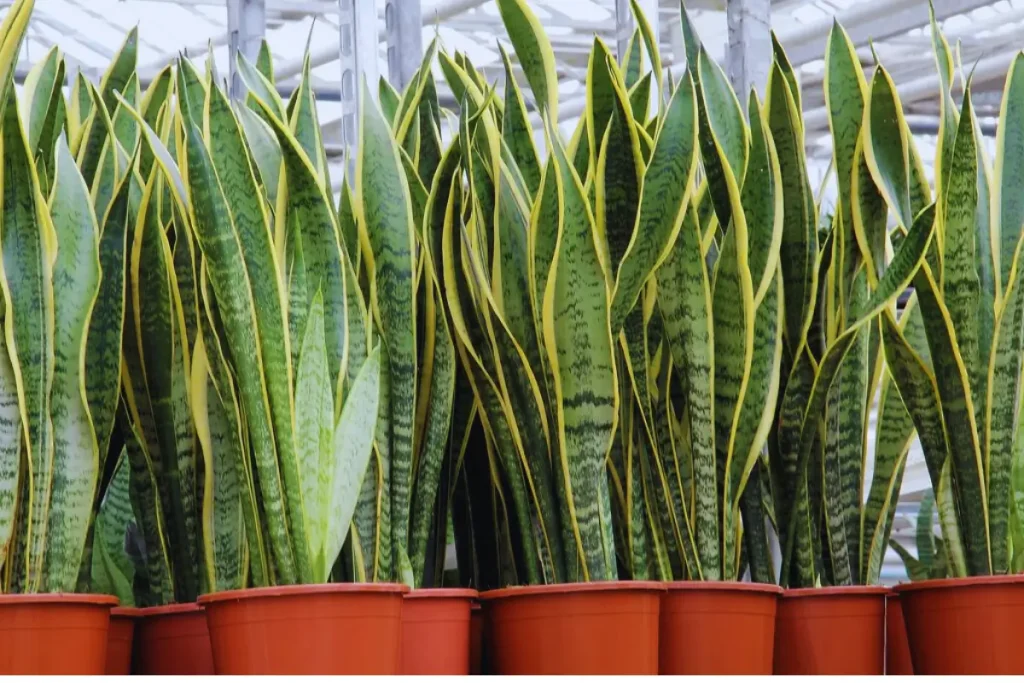
- Description: The classic snake plant with tall, green leaves edged in yellow.
- Care Tips: Thrives in low light but prefers bright, indirect sunlight.
- Best For: Beginners or anyone who loves the traditional look.
2. Sansevieria Cylindrica (Cylindrical Snake Plant)
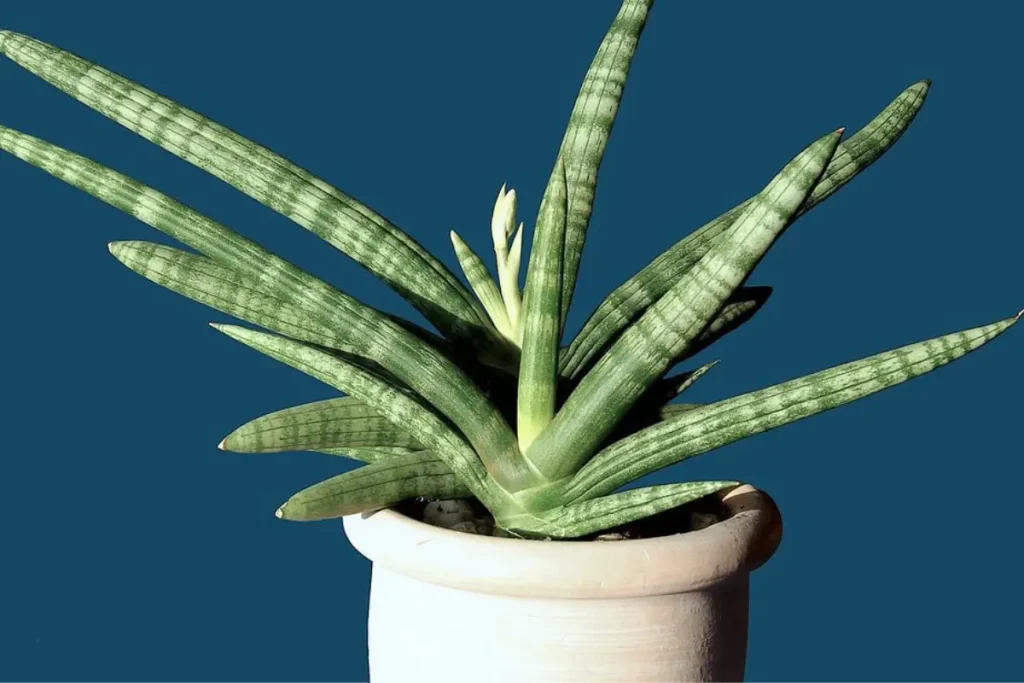
- Description: Features round, tube-like leaves that grow in a fan shape.
- Care Tips: Needs medium to bright light and well-draining soil.
- Best For: Modern homes and offices.
3. Sansevieria Moonshine
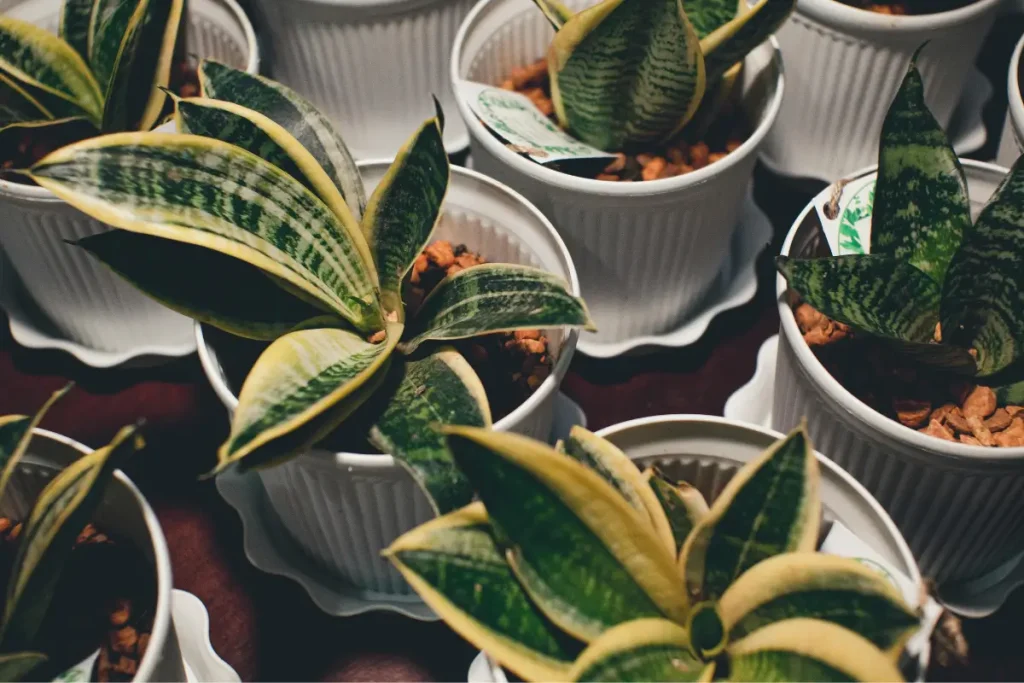
- Description: Pale, silvery-green leaves that are perfect for minimalist spaces.
- Care Tips: Likes bright, indirect light but can tolerate low light.
- Best For: Adding a sleek and modern vibe.
4. Sansevieria Laurentii
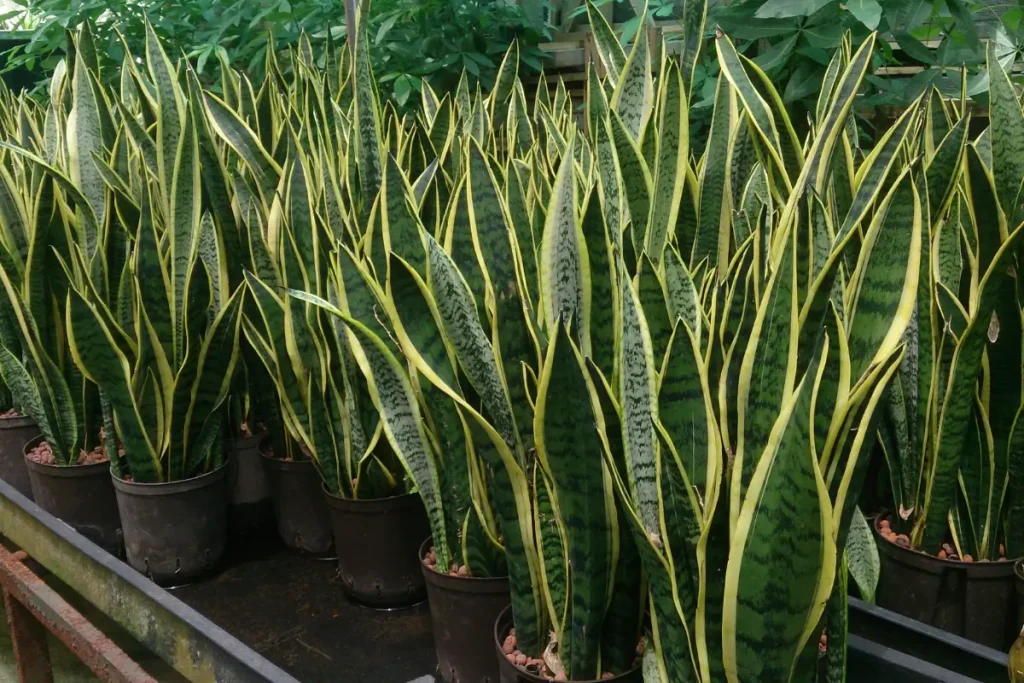
- Description: Similar to Trifasciata, but with bold yellow edges.
- Care Tips: Avoid overwatering to prevent root rot.
- Best For: Adding bright color to your decor.
5. Sansevieria Hahnii (Bird’s Nest Snake Plant)
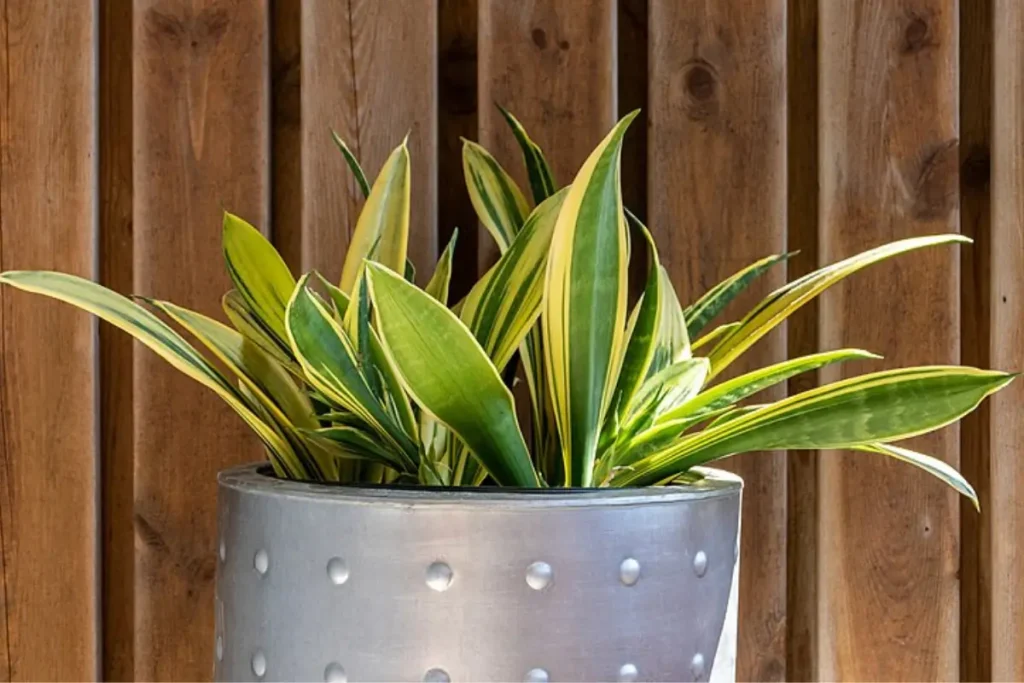
- Description: A small, rosette-shaped plant that fits in tight spaces.
- Care Tips: Works well on desks or shelves with moderate light.
- Best For: Apartments or small rooms.
6. Sansevieria Masoniana (Whale Fin)
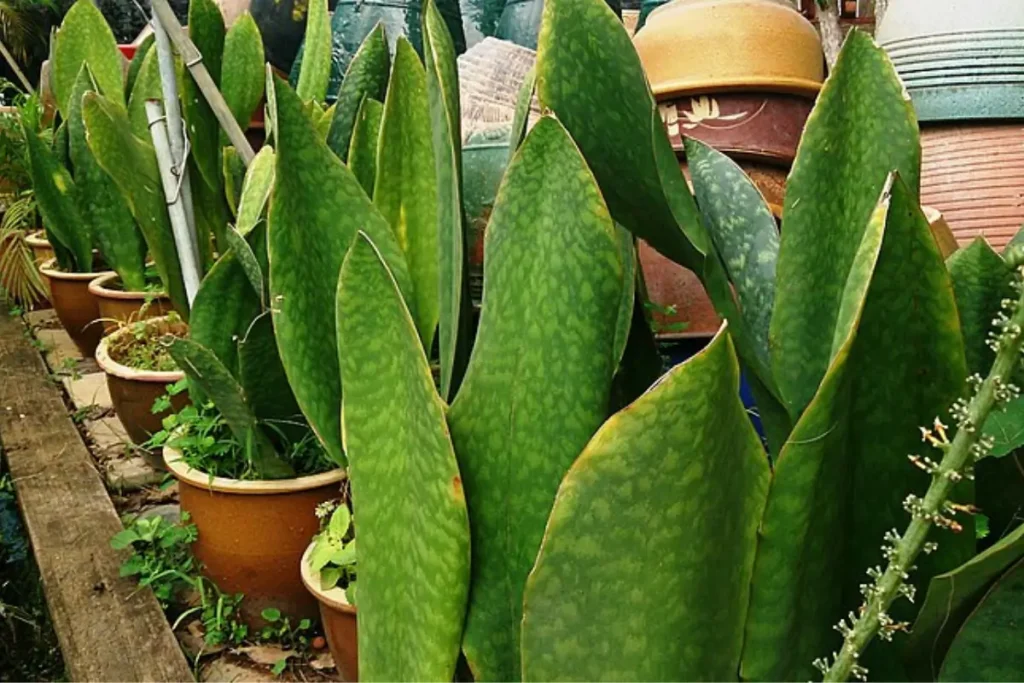
- Description: Known for its single, large, paddle-shaped leaf.
- Care Tips: Needs bright, indirect light.
- Best For: A bold statement piece.
7. Sansevieria Samurai
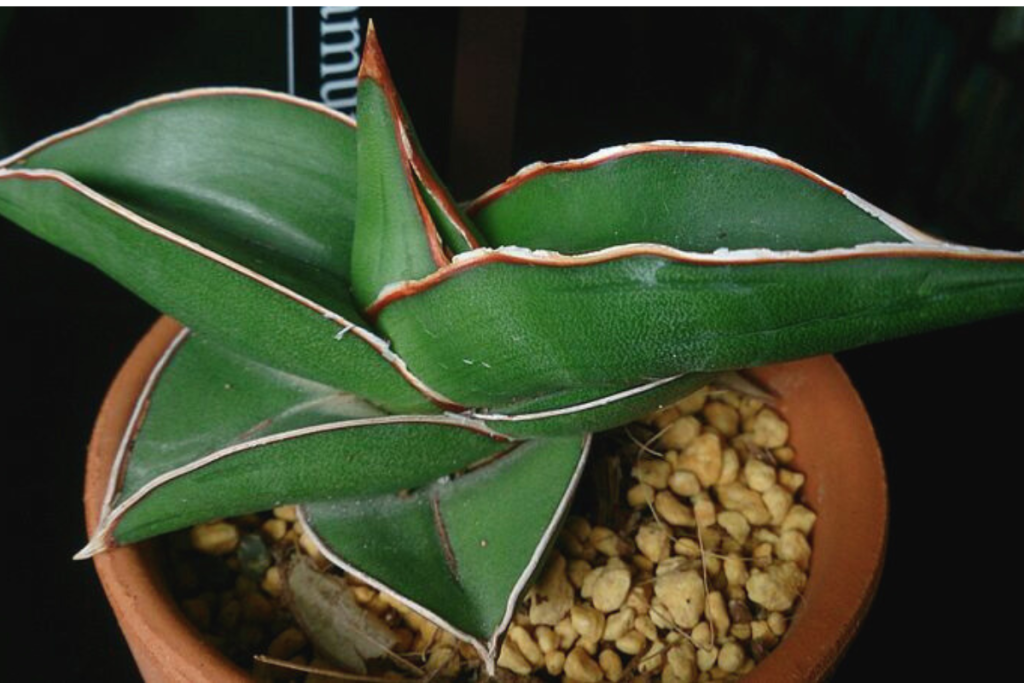
- Description: A short plant with thick, spiky leaves.
- Care Tips: Prefers well-draining soil and minimal watering.
- Best For: Unique plant collections.
8. Sansevieria Zeylanica
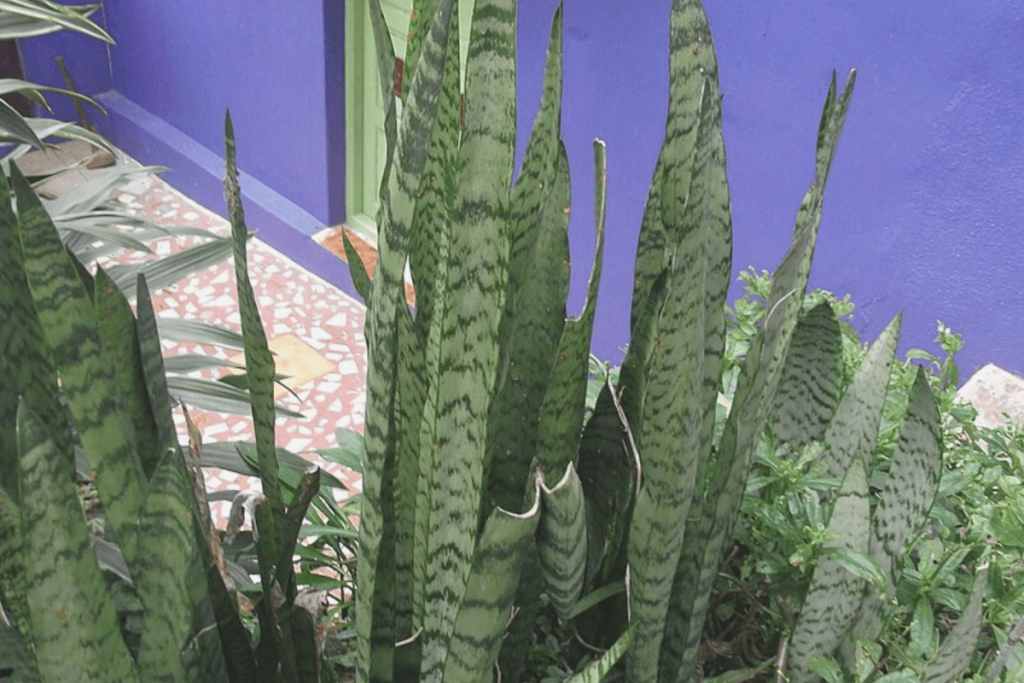
- Description: Long, pointed leaves with gray-green stripes.
- Care Tips: Does well in both low and bright light.
- Best For: Adding a natural touch to any room.
9. Sansevieria Patens
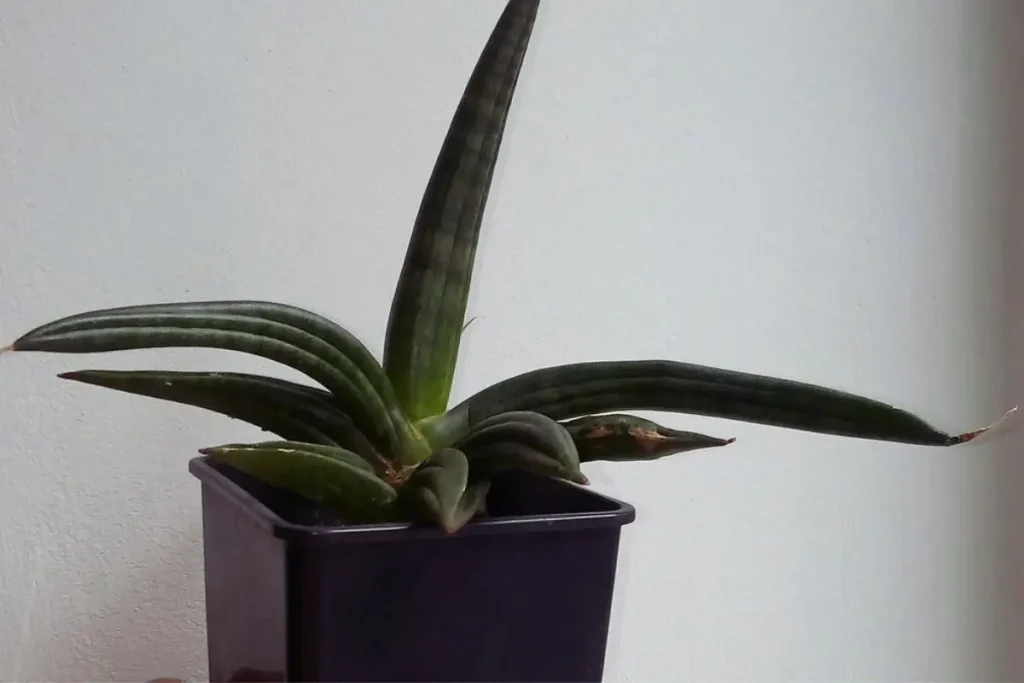
- Description: Rare and known for its arching, tubular leaves.
- Care Tips: Thrives in bright, indirect light and well-draining soil.
- Best For: Plant lovers who want something rare.
10. Sansevieria Kirkii (Star Sansevieria)
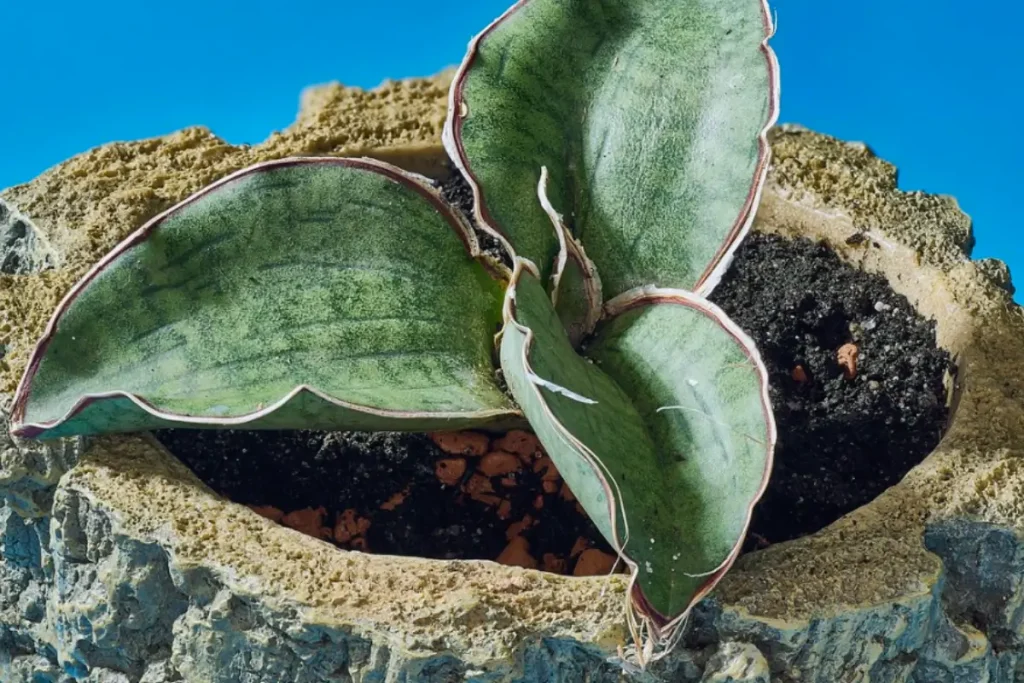
- Description: Light green leaves with wavy patterns that look like stars.
- Care Tips: Water occasionally and keep in moderate light.
- Best For: Both modern and rustic decor.
11. Sansevieria Bantel’s Sensation
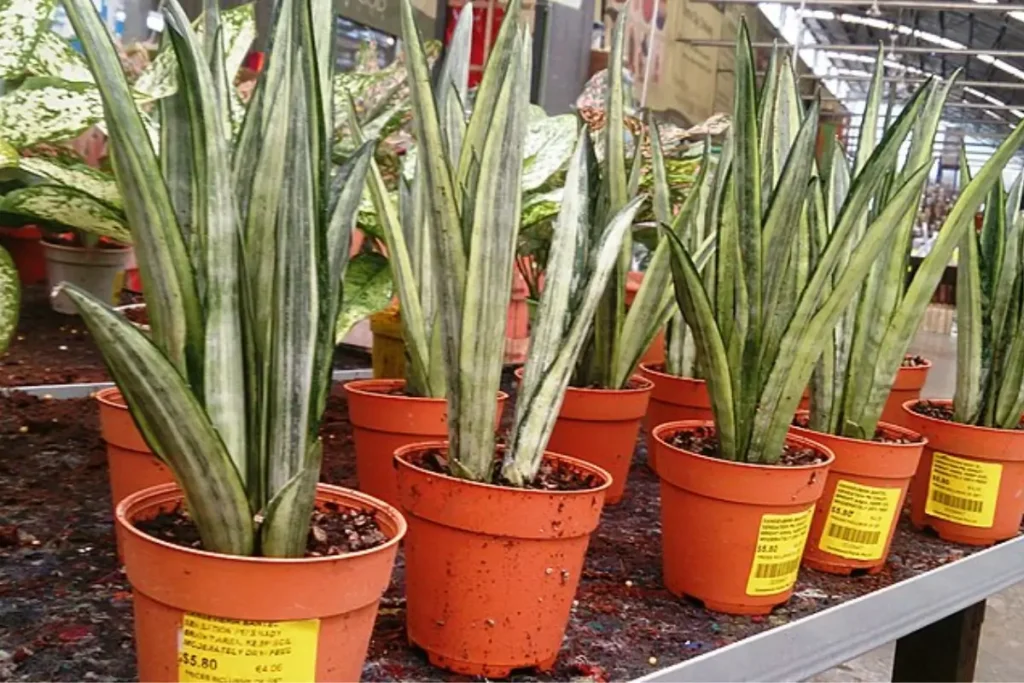
- Description: Thin, upright leaves with striking white stripes.
- Care Tips: Needs bright light to keep its stripes vibrant.
- Best For: Stylish, Contemporary spaces.
12. Sansevieria Ehrenbergii (Blue Sansevieria)
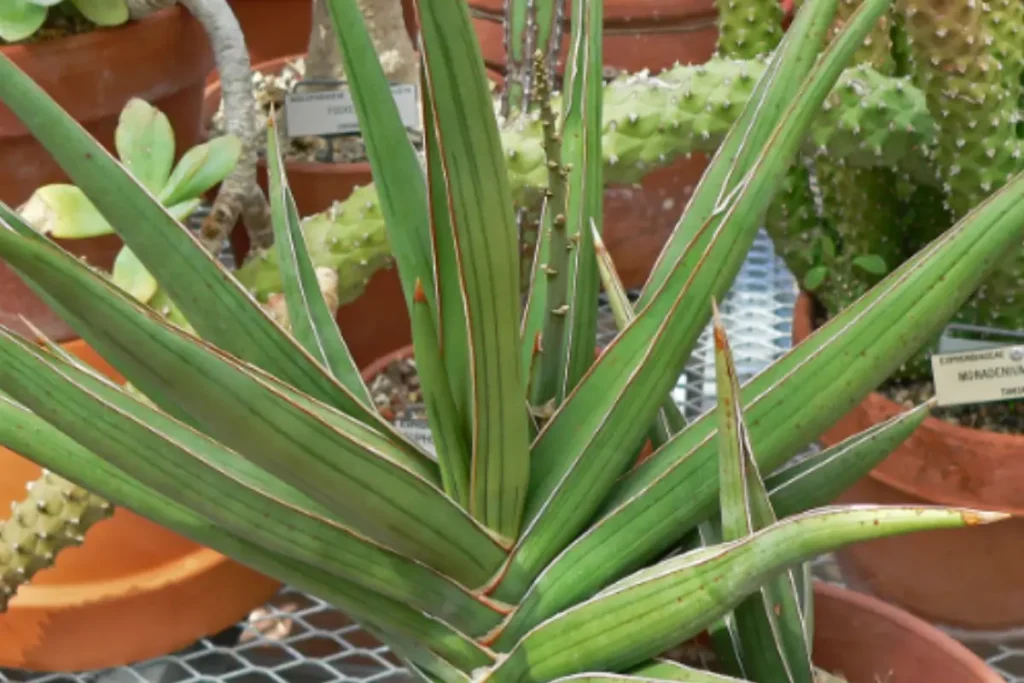
- Description: Thick, bluish-green leaves that grow in a fan shape.
- Care Tips: Thrives with minimal watering and well-draining soil.
- Best For: A bold, architectural look.
13. Sansevieria Fischeri
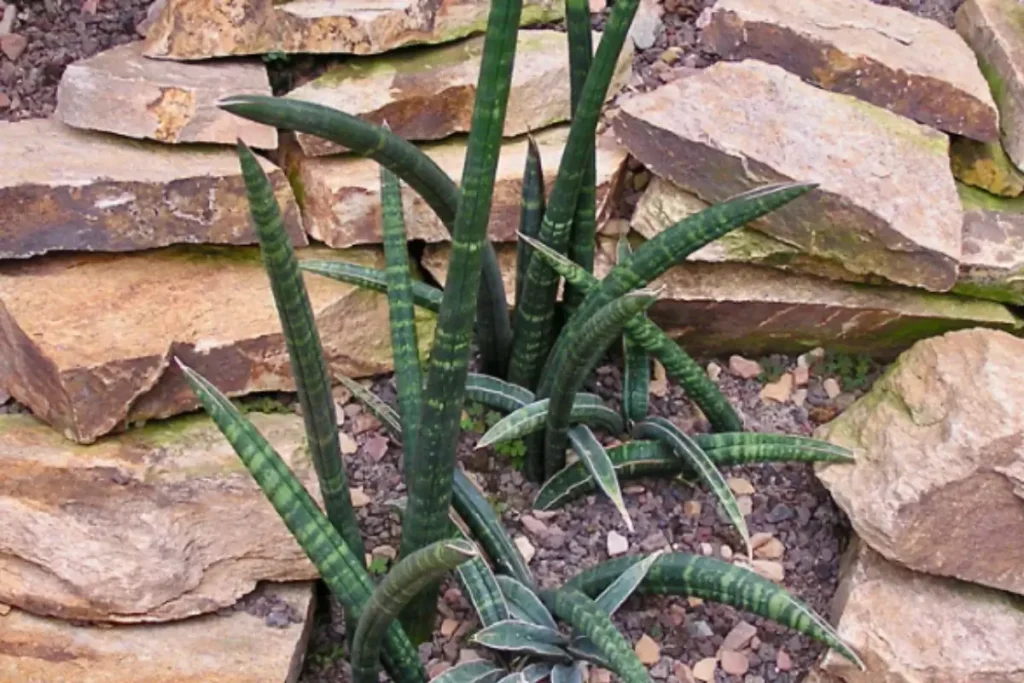
- Description: Small, cylindrical leaves that form a rosette shape.
- Care Tips: Perfect for medium to bright light.
- Best For: Desks and windowsills.
14. Sansevieria Pinguicula (Walking Sansevieria)
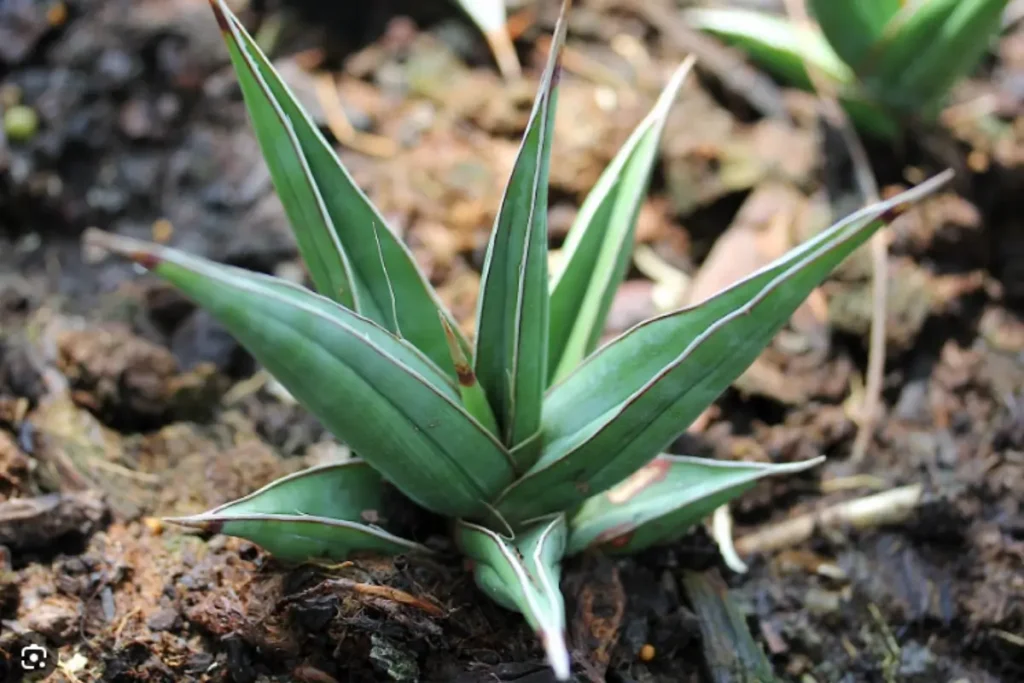
- Description: Unique roots that grow above the soil and outward-spreading leaves.
- Care Tips: Likes bright light and dry soil.
- Best For: Succulent fans or rare plant collectors.
15. Sansevieria Cleopatra
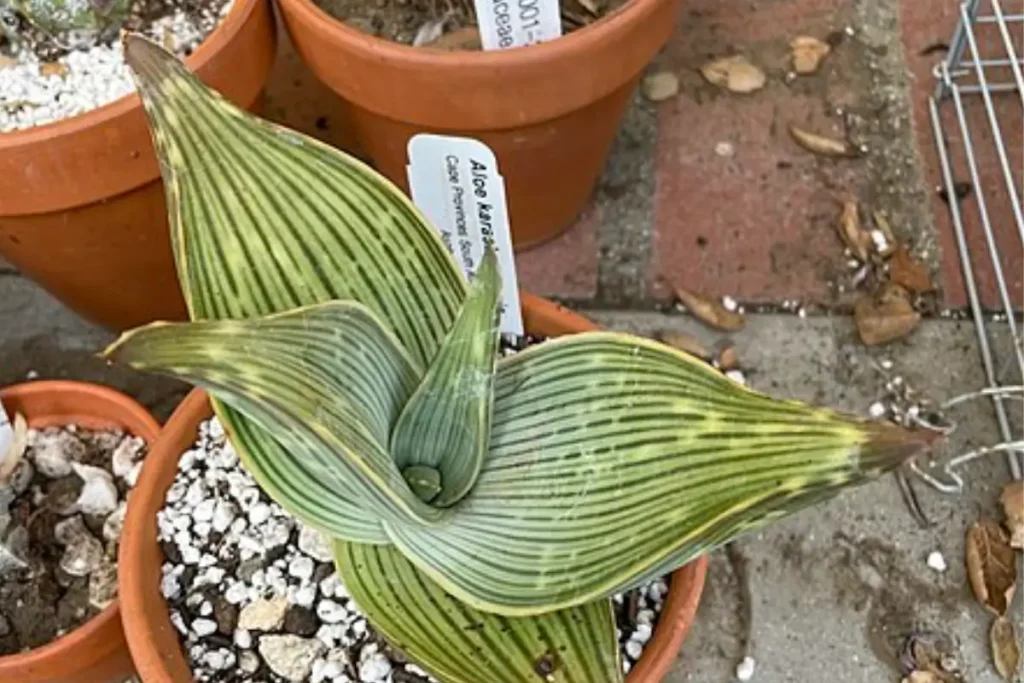
- Description: A rare hybrid with beautifully patterned leaves and a compact size.
- Care Tips: Thrives in bright, indirect light.
- Best For: Adding an elegant touch to your collection.
Want to know how tall each variety of snake plant can grow? Learn more in How Tall Do Snake Plants Grow?
Why Do Some Plants Look Different?
Genetic diversity in Sansevieria plants causes some varieties to have unique traits. For example, Laurentii grows taller, while Hahnii remains compact. These differences are due to variations in their genetic makeup, which affects their appearance and growth habits.
Research has shown that Sansevieria species exhibit significant morphological and genetic diversity, which influences how they adapt to different environments. Studies like this one on Sansevieria diversity provide deeper insight into these variations. (Research on Sansevieria diversity).
Now that you’ve seen the many variations of snake plants, it’s time to choose the one that fits perfectly into your home.
How to Pick the Right Snake Plant for Your Space
Choosing the right snake plant is easy when you think about your space, lighting, and personal style. Here are some tips to help you decide:
1. Consider Your Lighting
- Low Light: Choose Trifasciata or Laurentii.
- Bright, Indirect Light: Try Moonshine or Cylindrica.
- Direct Light: Try bold varieties like Bantel’s Sensation or Cleopatra.
2. Match Plant Size to Your Space
- Small Spaces: Compact plants like Hahnii or Fischeri are perfect.
- Large Areas: Go for tall varieties like Trifasciata or Masoniana.
- Medium Options: Types like Cylindrica work well in hallways or living rooms.
3. Complement Your Decor Style
- Modern: Sleek varieties like Moonshine or Cylindrica fit well in contemporary spaces.
- Rustic: Earthy types like Masoniana blend beautifully with wooden furniture.
- Eclectic: Rare and unique plants like Cleopatra add a fun focal point.
4. Functionality
- Air Quality: Larger plants like Laurentii or Masoniana can purify more air.
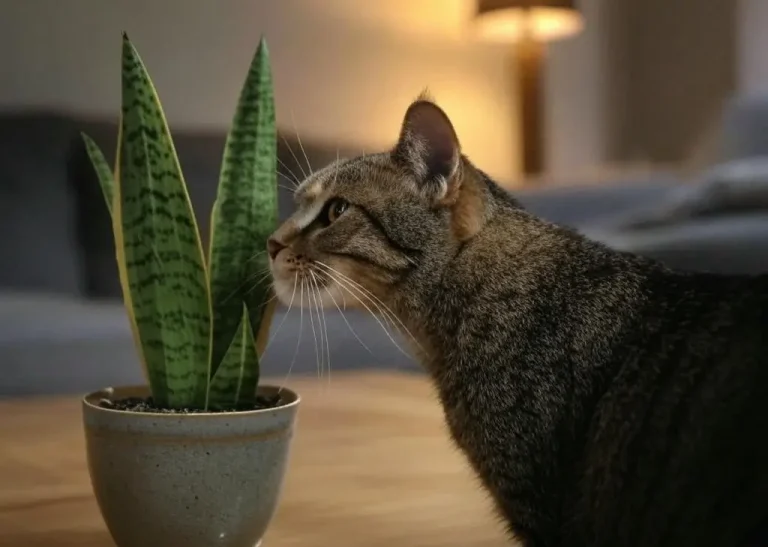
- Pet Safety: Snake plants are mildly toxic to pets, so keep them out of reach.
5. Maintenance
- Low-maintenance: Go for hardy options like Trifasciata or Zeylanica.
- Showier but requires more care: Try Cleopatra or Bantel’s Sensation.
Easy Care Tips for Snake Plants
Snake plants are super easy to care for. Follow these tips to keep them healthy:
Watering
- Wait for the soil to dry completely before watering.
- Water every 2-6 weeks, depending on the season.
Light
- Snake plants grow in low light but prefer bright, indirect sunlight.
- Avoid direct sunlight, which can burn the leaves.
Soil and Pots
- Use well-draining soil, like cactus mix.
- Pick pots with drainage holes to avoid soggy roots.
Common Mistakes
- Overwatering: This causes root rot.
- Using pots without drainage: Water can get trapped around the roots.
- Not enough light: While they tolerate low light, too little can slow their growth.
Bonus Tip: Propagation
Snake plants are easy to propagate. Cut a healthy leaf into sections, let them dry for a day or two, and plant them in fresh soil or water until roots form.
FAQs About Snake Plant Varieties
What are the easiest types of snake plants to grow?
Trifasciata and Laurentii are great for beginners because they’re hardy and adaptable.
Can snake plants survive in low light?
Yes, they can! But they’ll grow faster in bright, indirect light.
How often should I water a snake plant?
Every 2-6 weeks, depending on how dry the soil gets.
Are snake plants toxic to pets?
Yes, they can cause upset stomachs in cats and dogs if eaten, so keep them out of reach.
How do I propagate snake plants?
You can grow new plants from leaf cuttings or by dividing the roots. Put the cuttings in water or soil and place them in indirect light.
Do snake plants improve air quality at night?
Yes! Unlike most plants, they release oxygen at night, making them great for bedrooms.
Can snake plants grow outdoors?
Yes, snake plants can grow outdoors in warm climates like Florida, South Asia, and other tropical or subtropical areas. They do well in regions with USDA hardiness zones 9-11. However, in colder regions, they should be kept indoors during winter to protect them from frost.
What pests affect snake plants?
Look out for spider mites, mealybugs, and scale. Treat infestations with insecticidal soap or neem oil.
Wrapping It Up
Snake plants are perfect for anyone looking for a hassle-free, beautiful addition to their home. With their air-purifying benefits and sleek, low-maintenance look, there’s a variety of Sansevieria to suit any style.
With just a few easy care steps, your snake plant will thrive for years to come.
Interested in learning more about these amazing plants? Take a look at our Ultimate Guide to Snake Plants, where we dive into their types, care tips, and environmental benefits.
Happy Gardening!