Have you noticed the rising trend of houseplants? Beyond their aesthetic value, houseplants are now recognized for their ability to improve air quality, reduce stress, and enhance the overall ambiance of any space.
Among the many indoor plant choices, one that consistently stands out for its resilience and visual appeal is the snake plant.
But what exactly is a snake plant, and what makes it so popular?
In this article, I’ll explain everything you need to know about this snake plant, its origins, unique qualities, popularity, and why it’s the perfect low-maintenance companion for your home.
What is a Snake Plant?
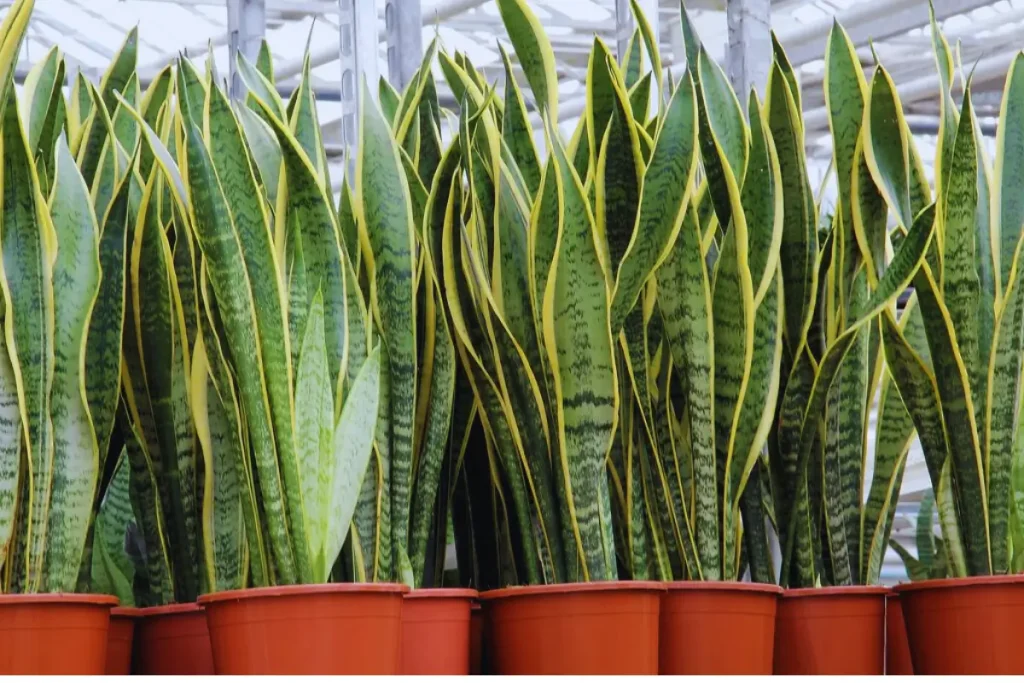
The snake plant, scientifically known as Dracaena trifasciata (previously Sansevieria), is a hardy, perennial plant native to West Africa.
Known for its upright, sword-shaped leaves, it’s a perfect plant for those looking for something that requires minimal care but still adds visual appeal to any space.
Common Names
The snake plant is known by several other names, including mother-in-law’s tongue and viper’s bowstring hemp.
The name “mother-in-law’s tongue” is likely refers to the plant’s long, pointed leaves, which resemble a sharp, biting tongue while “viper’s bowstring hemp” reflects the strong, fibrous nature of its leaves, which were once used to make bowstrings.
Basic Function
While primarily grown for its striking look, the snake plant is also known for its air-purifying qualities. It absorbs toxins like formaldehyde and releases oxygen, improving the air quality around it. Plus, it’s incredibly easy to care for just a little water and some indirect light are all it needs!
Is Sansevieria a Snake Plant?
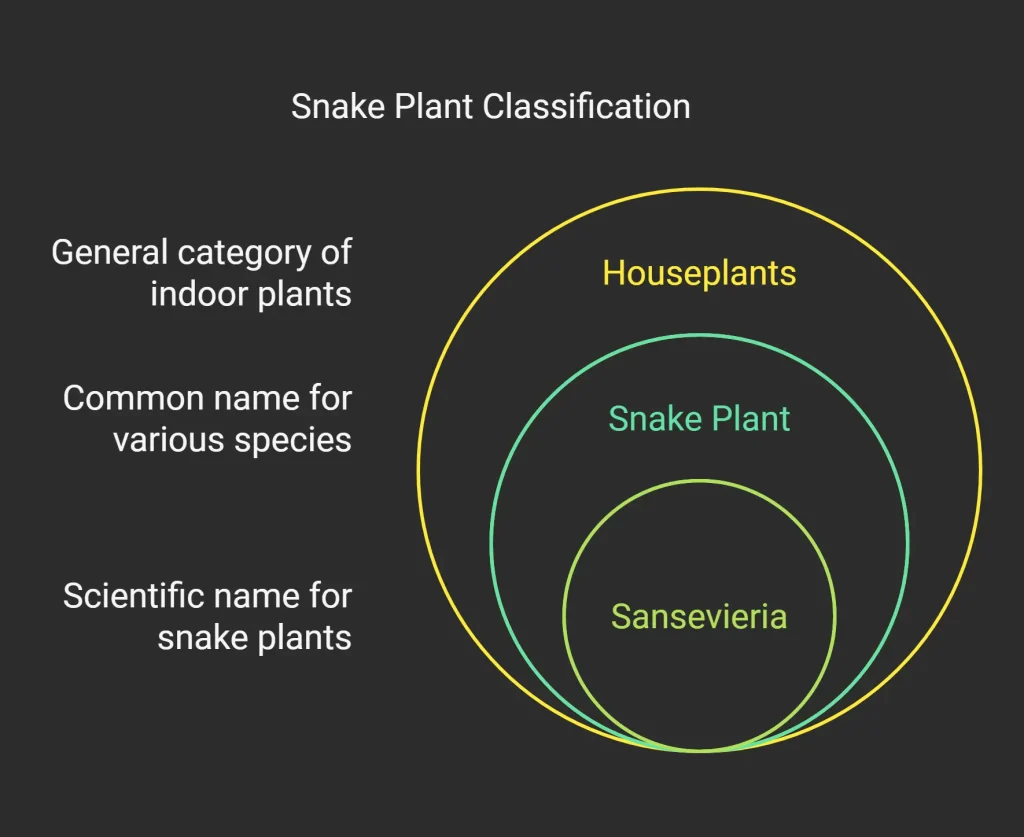
Yes, Sansevieria is the scientific name for the snake plant. All types of snake plants belong to the Sansevieria genus, which is the correct way to classify these tough houseplants.
Though the name “snake plant” is used to describe different varieties, they all fall under the same Sansevieria genus.
This is a common question for plant lovers, especially those learning about plant classification or looking for houseplants to buy.
Historical Classification
For many years, snake plants were categorized under the genus Sansevieria. This classification persisted until botanists reassigned it to the Dracaena genus, based on its genetic similarities to other species in that group.
Reclassification
Even though it is now officially Dracaena trifasciata, the term “Sansevieria” is still widely used by nurseries, plant retailers, and casual gardeners. Don’t worry—if someone mentions Sansevieria, they’re referring to the same plant!
Practical Understanding
If you’re worried about mixing up the terms, don’t be! Whether you call it Sansevieria or Dracaena trifasciata, this plant’s care and benefits remain unchanged. The name difference is simply a matter of scientific refinement.
Key Features of a Snake Plant
Physical Appearance
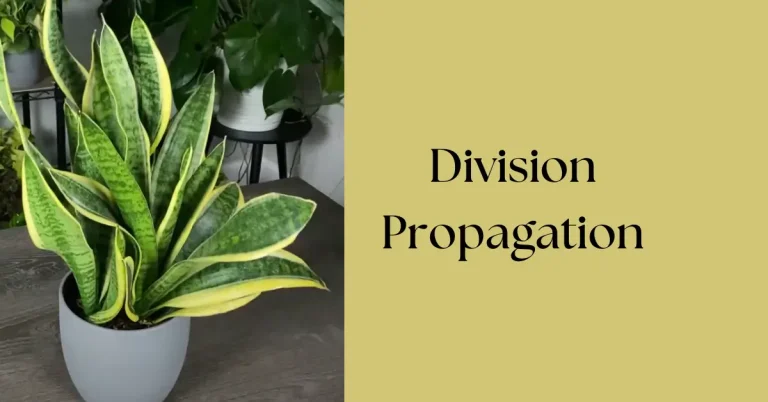
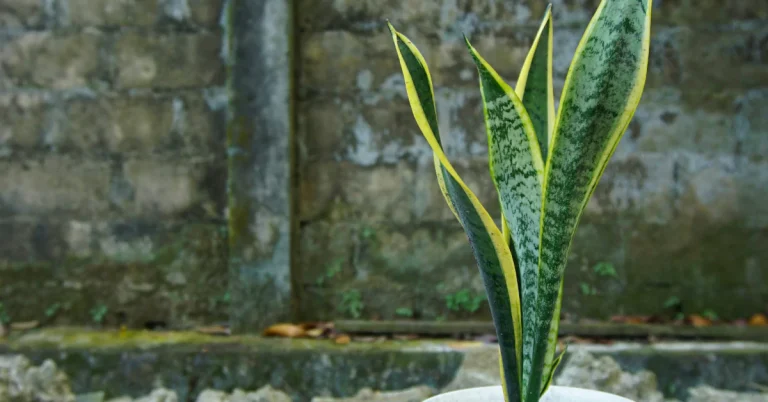
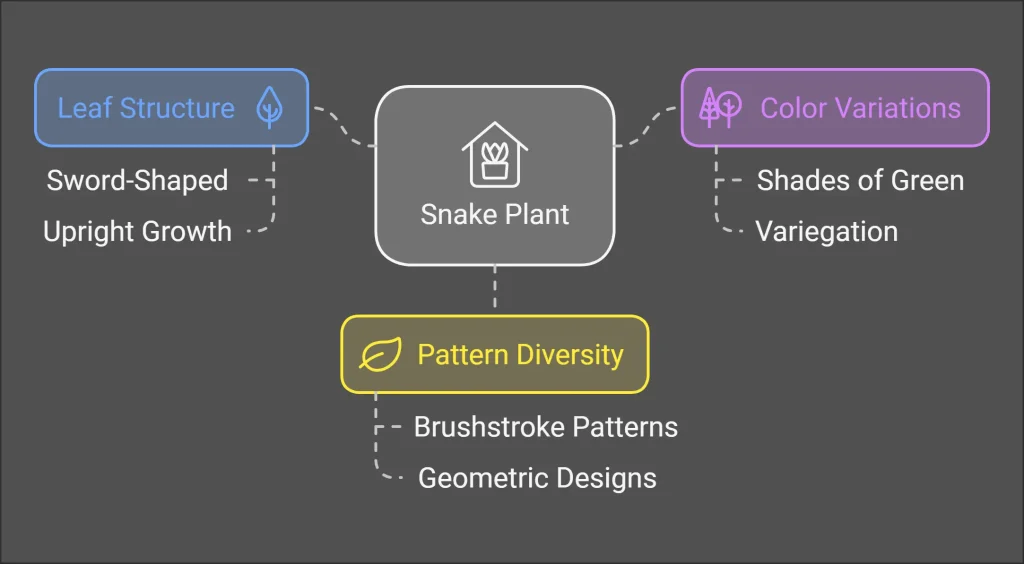
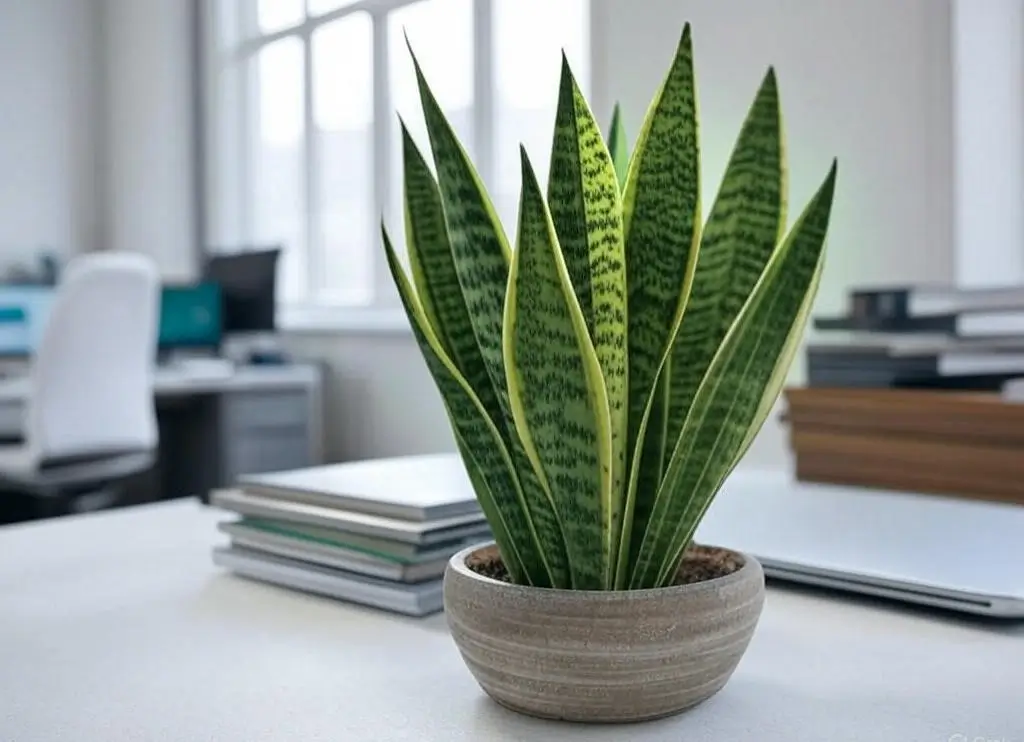
One glance at the snake plant, and you’ll see why it’s a design favorite. Its tall, sword-shaped leaves grow upright, giving it a structured and modern look.
The leaves vary in shades of green, often featuring variegation with stripes or borders in lighter hues like yellow or silver. Some varieties have intricate patterns that look like brushstrokes or geometric designs, making each plant unique.
Want to know more about the unique visual characteristics of the snake plant and how it fits into your space? Check out our detailed guide on what snake plants look like to explore the variety of patterns and colors that make these plants such an attractive addition to any room.
Growth Habits
Snake plants grow in a compact, upright style, making them ideal for small spaces or as statement pieces. Though they’re slow growers, they can reach an impressive 3 to 4 feet indoors, depending on care. Outdoors, they can grow even taller.
Their minimal growth rate is part of their charm, no frequent repotting or trimming is required! Its growth pattern makes it an ideal plant for small spaces or areas where space efficiency is a priority.
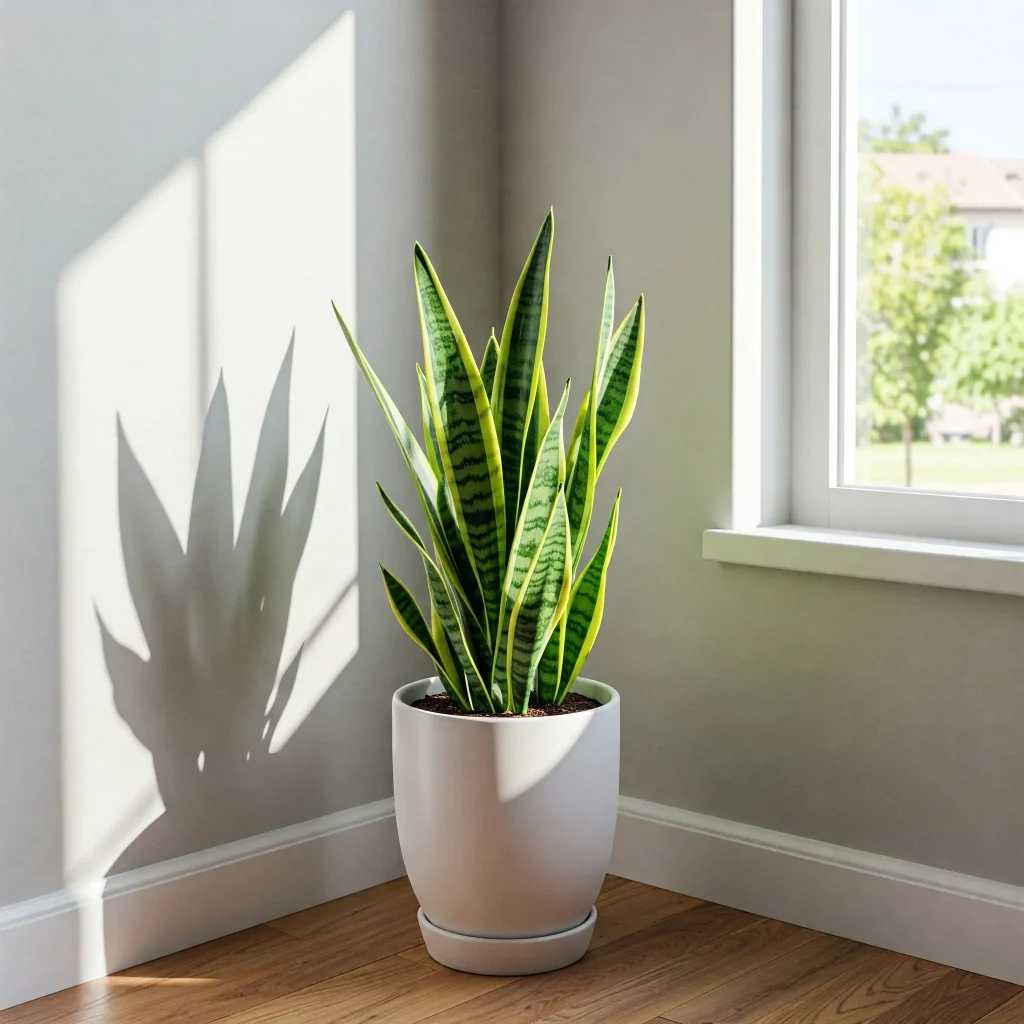
But what about the different types of snake plants? From the iconic Sansevieria trifasciata to rare and unusual varieties, snake plants come in various shapes and sizes. Explore our full guide on the 15 Stunning Types of Snake Plants to find the perfect variety for your home.
Lifespan Basics
If cared for properly, snake plants can live for decades. They require minimal maintenance, and their durability ensures they remain a reliable presence in any indoor environment for years. Whether you’re in a sunny apartment or a dimly lit office, these plants adapt beautifully.
Native Habitat of Snake Plants
Geographic Origin
The snake plant is originally from West Africa, where it thrives in the dry, warm climates of the region. It’s found in rocky or sandy soils, where the plant’s ability to withstand drought and heat helps it survive. This tough origin story gives us some important clues about how to care for it at home.
Climate Adaptation
As a native of warm, arid regions, the snake plant has adapted to handle dry conditions with ease. Its succulent-like leaves store water, allowing it to thrive even during dry spells.
This adaptation means it doesn’t require constant watering, which makes it a perfect fit for busy lifestyles or those new to caring for plants.
How Habitat Influences Care
Knowing where the snake plant comes from can help you create the ideal environment for it in your own space. It thrives in bright, indirect light, mimicking the natural light of its West African habitat.
And because it’s used to drought-like conditions, it doesn’t need frequent watering—just a little love and attention will keep it happy for years.
Why Snake Plants Are Popular
Beginner-Friendly Nature
One of the biggest reasons snake plants are so popular is because they’re incredibly easy to care for. If you’ve never owned a plant before or you’re looking for something low-maintenance, this is the one for you!
It doesn’t need constant watering, and it can handle a little neglect now and then. You won’t have to worry about giving it constant attention—it’s the perfect plant for busy people, beginners, and even forgetful plant parents!
But snake plants aren’t just about being easy to care for, they also bring significant health benefits to your home. They purify the air, remove toxins like formaldehyde, and help improve the overall air quality.
In fact, research published in the MDPI journal Atmosphere shows that indoor plants, including snake plants, can reduce harmful pollutants such as CO2 and particulate matter (PM2.5) by up to 87%.
This makes them a natural and efficient solution for improving indoor air quality, absorbing toxins, and increasing oxygen levels for a healthier, more breathable home environment. Read the full study in MDPI.
Aesthetic Value
But it’s not just about the ease of care, it’s also about how great the snake plant looks in your space. Its sleek, modern appearance adds sophistication and structure to any room.
Whether it’s sitting in the corner of your office, adding life to your living room, or standing proudly on your windowsill, the snake plant’s elegant, upright leaves make it a stunning addition to any decor.
Cultural Significance
The snake plant has a bit of symbolic magic as well. In Feng Shui, it’s believed to bring good fortune and positive energy into your home. It’s often placed near the entrance to clear negative vibes and welcome harmony. It’s not just a plant—it’s a good luck charm!
To learn more about these amazing benefits, check out our guide on the 10 Surprising Benefits of Snake Plants for a Healthier Home.
FAQs Specific to “What is a Snake Plant?”
Is a Snake Plant a Succulent?
Yes, snake plants are succulents. Their ability to store water in their thick leaves helps them survive in arid conditions, making them true succulents.
Why Are They Called Snake Plants?
The name comes from their appearance. Their tall, slender leaves are patterned with variegated markings resembling snake scales, and their pointed, upright shape adds to their “snake-like” look. Some varieties even have curling leaves that further enhance this effect.
Final Thoughts
The snake plant is a practical, stylish, and low-maintenance choice for anyone looking to add greenery to their home. Its aesthetic value, air-purifying qualities, and resilience to neglect make it a favorite among both beginner and experienced plant owners.
Whether you’re new to plants or an expert looking to add a fuss-free addition to your space, the snake plant is an excellent choice.
For a deeper dive into the care and characteristics of snake plants, explore our Ultimate Guide to Snake Plants: Types, Characteristics, and Benefits.