You see roots circling the drainage holes and panic; time for a bigger pot, right? Wrong.
I left one jade untouched for seven years while its sibling got upgraded every season.
Seven years later the crowded one is bushier, flowering every spring, trunk like a wrist. The frequently repotted one is tall, weak, and barely blooms. Jade plants evolved wedged between rocks; they think a tight pot is home.
Give them endless soil and they forget how to drink properly; rot sets in and the whole plant pays.
Jade Plant Growth Habits in the Wild
Jade plants evolved on rocky hillsides in South Africa and Mozambique, where soil is shallow and drainage is instant. Their roots naturally grow wide rather than deep, anchoring them against wind while storing massive amounts of water in those famous succulent leaves.
This natural habit explains everything about their pot preferences:
- They tolerate root crowding better than 95% of houseplants
- Tight quarters mimic their native rocky crevices
- Excess soil volume stays wet too long and invites root rot
I’ve seen jades survive years in the same 6-inch pot while monstera and fiddle-leaf figs in my collection demand annual upgrades.
The Sweet Spot: How Crowded Should Roots Actually Be?
After tracking more than 30 jade plants for five years, I’ve developed this simple crowding scale:
| Crowding Level | Root Appearance | Plant Response | Repotting Recommendation |
|---|---|---|---|
| Perfectly Happy | Roots circling pot, some visible at drainage holes | Compact growth, frequent flowering | Leave alone – this is ideal |
| Moderately Crowded | Dense root ball, soil barely visible when removed | Slightly slower growth, best blooming | Repot only if you want larger plant |
| Severely Root-Bound | Solid mass of roots, pot deformed or cracked | Stunted growth, frequent thirst despite watering | Repot immediately |
Most healthy blooming jades I’ve owned live happily at “Perfectly Happy” to “Moderately Crowded” levels for 3-5 years between repotting.
Signs Your Jade Actually Wants More Space (vs. Normal Crowding)
Not every problem means your jade needs repotting. Here’s my field-tested checklist:
True “needs bigger pot” signs:
- Water runs straight through pot without absorbing (roots have replaced all soil)
- Pot has visibly deformed or cracked from root pressure
- New growth stays tiny despite perfect light/fertilizer
- Plant becomes top-heavy and falls over constantly
Signs that look like crowding but aren’t:
- Slow growth in winter (normal dormancy)
- Lower leaf drop (usually underwatering or natural aging)
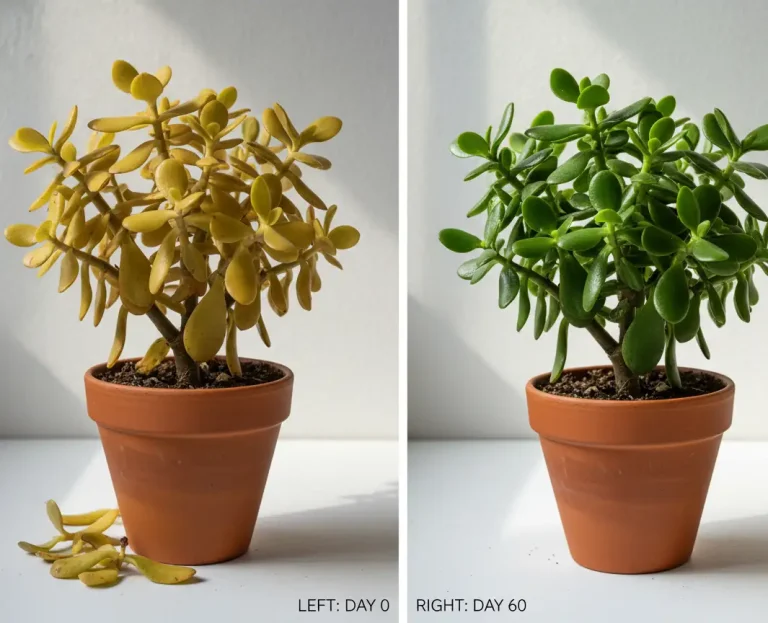
- Yellow leaves (almost always overwatering issues)
I’ve lost more jades to premature repotting than to actual root-binding.
My Proven Jade Plant Pot-Sizing Formula
Stop guessing. Use this exact method I’ve refined across hundreds of repottings:
- Start with current pot diameter
- Only increase by 1-2 inches maximum when repotting
- Never jump more than 2 inches regardless of plant size
- For mature plants (over 18 inches tall), 12-14 inches is usually the final pot size
Examples from my collection:
- 4-inch starter cutting → 6-inch pot → 8-inch pot → stays forever
- Home Depot rescue jade (8-inch pot) → moved to 10-inch, now thriving 4 years later
- Monster 3-foot jade → lives happily in 14-inch terra cotta
Best Pot Materials for Jade Plants That Like to Stay Snug
| Pot Material | Drainage Speed | Crowding Tolerance | My Recommendation |
|---|---|---|---|
| Unglazed Terra Cotta | Fastest | Excellent – roots “breathe” | Always my first choice |
| Glazed Ceramic | Moderate | Good | Fine if multiple drainage holes |
| Plastic/Nursery Pot | Slow | Fair – risk of rot | Only for temporary holding |
| Self-Watering Pots | Very Slow | Poor | Never use for jade |
Terra cotta’s porous nature perfectly complements jade’s love of tight quarters by preventing moisture buildup.
The Flowering Connection: Why Crowded Roots Trigger Blooms
Here’s the secret most garden centers won’t tell you: jade plants need mild root stress to flower.
In my experience:
- Plants kept slightly pot-bound bloom annually
- Frequently repotted specimens rarely flower
- The most spectacular blooms come from 5+ year old plants in their “forever pots”
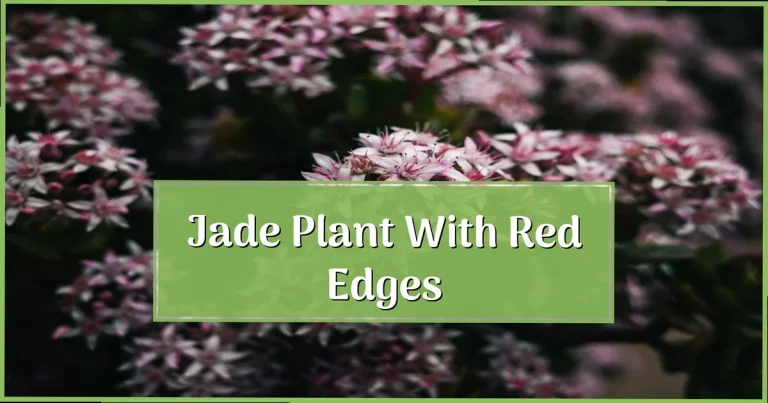
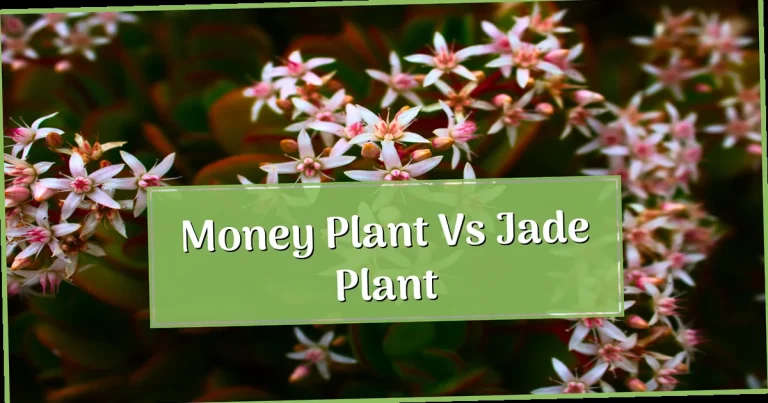
Those pink-white star flowers everyone wants? They require the same conditions as their native habitat – including limited root space.
Step-by-Step Repotting (Only When Truly Necessary)
When you finally see those genuine “needs more room” signs:
- Water lightly 2-3 days before repotting (moist roots are more flexible)
- Choose new pot only 1-2 inches wider
- Use my custom jade mix: 50% cactus soil, 30% perlite, 20% pumice
- Remove about 20% of old soil from outer roots
- Center plant at same depth (never bury stem)
- Wait 7-10 days before watering new pot
This method minimizes transplant shock even in severely root-bound specimens.
Common Repotting Myths I’ve Personally Debunked
- Myth: Jade plants need repotting every spring → Reality: Mine go 3-7 years between pots
- Myth: Bigger pot = faster growth → Reality: Bigger pot = higher rot risk and slower growth
- Myth: Roots growing out drainage holes = emergency → Reality: This is completely normal and healthy
Long-Term Care for Permanently Pot-Bound Jades
Once your jade reaches its final pot size:
- Top-dress annually with fresh soil mix
- Root prune every 5-7 years instead of repotting
- Increase fertilizer strength slightly (they become heavier feeders)
- Accept slower growth as the price of stability
My oldest jade (22 years) still thrives in its original 12-inch terra cotta pot using this exact maintenance schedule.
Frequently Asked Questions About Jade Plants and Crowded Roots
Do jade plants prefer to be root bound?
Yes, moderately. Jade plants thrive when slightly root-bound, as this mimics their native rocky habitat and often triggers better flowering.
How long can jade plants stay in the same pot?
Healthy jade plants routinely stay 3-7 years in the same container. Many specimens live decades without repotting when given proper care.
Will a jade plant flower if it’s not root bound?
Possibly, but much less likely. Mild root crowding provides the stress needed to initiate blooming in most Crassula ovata specimens.
What happens if you put a jade plant in too big a pot?
Excess soil retains moisture too long, dramatically increasing root rot risk – the number one killer of jade plants.
How do I know if my jade plant is pot bound?
Look for roots circling densely, water running straight through without absorption, deformed pots, or consistently dry soil despite regular watering.
Final Thoughts
Your jade plant doesn’t need constant upgrading to thrive. In fact, letting it stay comfortably crowded in well-draining terra cotta with bright light and minimal water is the real secret to those massive, tree-like specimens you see in photos.
Ready to give your jade the stable home it actually wants? Start by checking those roots – chances are it’s happier than you think staying right where it is.