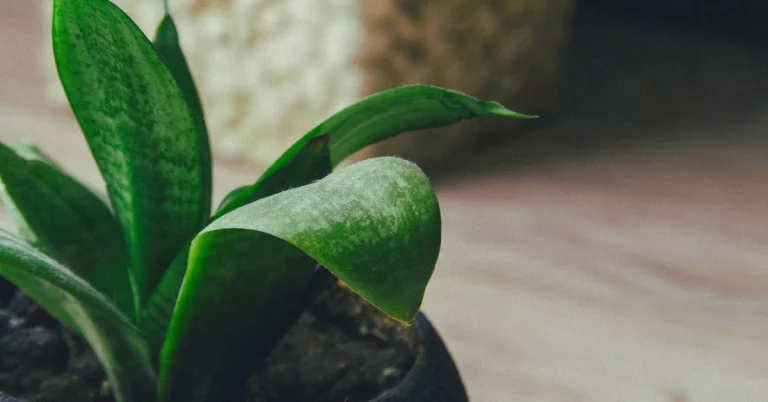
The snake plant, also known as Sansevieria or Mother-in-Law’s Tongue, is one of the most resilient and low-maintenance tropical plants.
Propagating this hardy plant in soil is a simple and effective way to grow new plants and expand your collection.
In this guide, we’ll show you step-by-step how to propagate your snake plant in soil, avoid common mistakes, and care for your new plants.
Why Propagate Snake Plants in Soil?
Propagation is the process of creating new plants from parts of an existing one. Soil propagation is a reliable choice, especially if you want long-lasting, thriving snake plants.
It’s not only a fun project but also a practical way to expand your plant collection. Here are a few reasons to give it a try:
- Save Money: Create new plants without spending extra.
- Healthier Plants: Propagation prevents overcrowding in pots, giving your plant room to grow.
- Sustainability: Sharing propagated plants with friends and family is eco-friendly.
- Strong Root Growth: Soil propagation helps the plant develop a robust root system.
- Low Maintenance: Once planted, the cuttings require minimal care.
- Cost-Effective: You can multiply your plant collection without buying more plants.
When Should You Propagate?
The best time to propagate snake plants is during the spring or summer, when they are actively growing. Avoid propagating during winter, as plants tend to be dormant. Propagating in the right season will give your cuttings the best chance of thriving and rooting successfully.
What You’ll Need
Before you start, gather these materials:
- A healthy snake plant
- A sharp, sterilized knife or scissors
- Succulent potting soil or well-draining soil mix
- Small pots with drainage holes
- Watering can or spray bottle
Pro Tip: Always sterilize your tools to prevent spreading diseases to your plant.
Step-by-Step Guide to Propagate Snake Plants in Soil
Step 1: Choose the Right Leaf
Pick a mature, healthy leaf from your snake plant. Avoid damaged or yellowing leaves, as they may not root well.
Pro Tip: Larger leaves often have the best chance of success.
Step 2: Cut and Prepare the Leaf
Using your sterilized knife or scissors, cut the leaf near the base. Let the cut leaf sit for 1-2 days until the cut end forms a callus. This step is crucial to prevent rotting once the leaf is planted.
Step 3: Plant the Leaf in Soil
- Fill a small pot with well-draining soil.
- Insert the cut end of the leaf about 1-2 inches into the soil.
- Space out multiple cuttings to avoid overcrowding.
Pro Tip: Well-draining soil ensures excess water flows away, preventing root rot.
Step 4: Water and Place the Pot
Water the soil lightly to moisten it without making it soggy. Place the pot in a spot with indirect sunlight.
- Avoid direct sunlight, as it can dry out the cuttings.
- Maintain moderate humidity to encourage root growth.
Common Mistakes to Avoid
Even though propagating snake plants is easy, there are a few pitfalls to watch out for:
| Mistake | Why It’s a Problem | How to Avoid It |
| Overwatering | Causes root rot | Water sparingly |
| Using poor soil | Retains too much water | Use well-draining soil |
| Skipping the callus | Increases the risk of rot | Let cuttings dry for 1-2 days |
| Impatience | Propagation takes time | Be patient and consistent |
Caring for Your New Snake Plants
Once your cuttings develop roots, it’s important to care for them properly to ensure healthy growth.
Watering Tips
- Water when the soil feels dry to the touch.
- Reduce watering during colder months to prevent overwatering.
Light and Placement
Place your propagated plants in bright, indirect light. Snake plants do well in temperatures between 60-80°F (15-27°C).
Repotting
After 2-3 months, check the roots. If they are well-developed, transfer your snake plant to a larger pot for continued growth.
FAQs About Snake Plant Soil Propagation
How Long Does It Take for Snake Plants to Root in Soil?
It usually takes 4-6 weeks for snake plants to develop roots in soil. Factors like temperature, humidity, and care can affect this timeline.
Can You Propagate a Snake Plant Directly Into Soil?
Yes, you can. Simply cut a healthy leaf, let the cut end callus for 1-2 days, and plant it in well-draining soil. Keep it lightly moist and in indirect sunlight until it roots.
Can I Propagate Snake Plants in Water?
Yes, you can propagate snake plants in water. However, soil propagation is better for plants that will remain potted in soil, as the roots adapt to their medium early on.
What Should I Do If My Cuttings Don’t Root?
If your cuttings fail to root:
- Ensure they were allowed to callus properly before planting.
- Check for overwatering or poor soil quality.
Can I Use Regular Potting Soil?
Yes, but it’s best to add sand or perlite to improve drainage.
Do I Need to Use Rooting Hormone?
Rooting hormone can speed up the process, but it’s not necessary for successful propagation.
Wrapping Up
Propagating snake plants in soil is an easy and rewarding process. By following these steps, you can grow new plants, share them with loved ones, or expand your own collection.
Just remember to be patient, plant propagation takes time!
Happy Planting!
Related Articles: