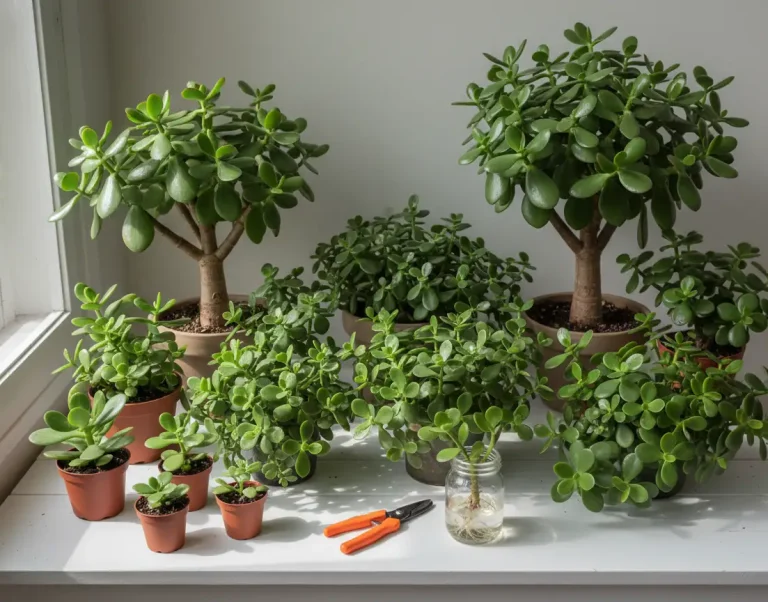
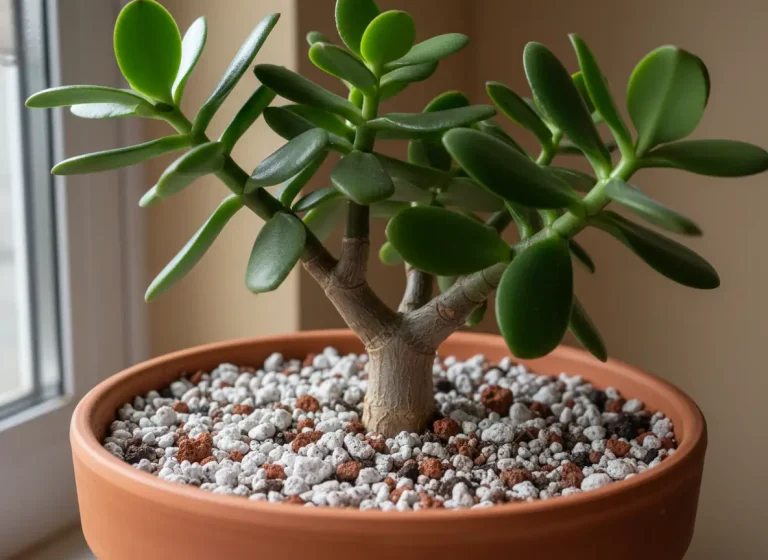
I still remember the first time I saw a Crassula ovata ‘Gollum’ in person. Its bizarre, tubular leaves looked like they belonged in a coral reef rather than a windowsill, and I instantly understood why serious collectors chase the unusual.
Over the past fifteen years of growing and hybridizing succulents, I’ve tracked down some of the rarest jade cultivars on earth.
Today I’m sharing twelve of them that even seasoned growers rarely encounter, complete with identification photos, origin stories, and the exact care adjustments each demands.
Why Rare Jades Are Worth the Hunt
Standard jade plants (Crassula ovata) are everywhere, but the rare forms offer dramatic shapes, unexpected colors, and growth habits you simply can’t find in the common “money plant.”
Many are slow-growing mutations or natural variegates that took decades to stabilize. Owning one feels like having a living sculpture, and some, like Crassula ‘Dorothy’, sell for hundreds of dollars for a single rooted cutting.
12 Rare Jade Plant Varieties You Need to Know
1. Crassula ovata ‘Gollum’ (Gollum Jade)
The cult favorite with finger-like, tubular leaves that end in a slight suction-cup flare. Leaves often blush red in strong light.
Growth: Slower than standard jade, stays compact at 1–3 ft.
Care difference: Tolerates lower light than most jades but drops tubes if overwatered.
2. Crassula ovata ‘Hobbit’
Very similar to Gollum but with less pronounced tubularity and wider, spoon-shaped tips. A 1970s New Zealand cultivar that remains scarce outside specialist circles.
3. Crassula ovata ‘Hummel’s Sunset’
Golden-variegated leaves that shift from green-yellow to blazing orange-red in winter. Winner of the Royal Horticultural Society Award of Garden Merit, yet surprisingly hard to find in big-box stores.
4. Crassula ovata ‘Pink Beauty’
Heavy pink blushing on leaf margins under stress (cool nights + bright light). One of the most photogenic jades when happy.
5. Crassula ovata ‘Variegata’ (Rainbow Jade)
Creamy white and pink streaking through the leaves. Extremely slow growing and prone to reversion; stable specimens are prized.
6. Crassula perforata ‘Variegata’ – Variegated String of Buttons
Technically a different species, but often grouped with jades. Pale pink, blue, and cream stacked leaves make it look airbrushed.
7. Crassula ‘Morgan’s Beauty’
A hybrid (C. falcata × C. ovata minor) with thick silver-gray leaves and neon coral-pink flower clusters that smell like cinnamon. Blooms reliably indoors.
8. Crassula ‘Dorothy’
Tiny, perfectly spherical leaves tightly stacked on branching stems. Looks like a miniature bonsai forest. Mature plants routinely sell for $200+.
9. Crassula ovata ‘ET’s Fingers’ / ‘Skinny Fingers’
Even skinnier tubes than Gollum, with red tips. Japanese selection that’s still ultra-rare in the West.
10. Crassula ovata ‘Monstruosa’ (Gollum/Hobbit hybrid forms)
Random mutations produce crests, cristate growth, or double-tubed leaves. Every plant is genetically unique.
11. Crassula arborescens ‘Blue Bird’
Silver-blue undulating leaves with wavy red edges. Larger than most ovata cultivars; can reach 4–6 ft with age.
12. Crassula ‘Buddha’s Temple’
Technically a hybrid involving C. pyramidalis, but collectors treat it as an honorary jade. Tight pagoda-like columns of folded leaves. One of the slowest succulents alive; a 6-inch specimen can be 20 years old.
Rare vs Common Jade Plants – Quick Comparison Table
| Feature | Common Jade (Crassula ovata) | Rare Cultivars (examples above) |
|---|---|---|
| Leaf shape | Flat, oval | Tubular, curled, stacked, wavy |
| Growth rate | Fast (12–18″ per year) | Slow to extremely slow |
| Price (4″ pot) | $5–15 | $35–300+ |
| Variegation | None | Common (pink, cream, yellow) |
| Flowering tendency | Rarely indoors | Several bloom reliably |
| Propagation difficulty | Easy from leaf or stem | Reversion risk, slower rooting |
| Collector demand | Low | Very high |
Light, Water, and Soil Adjustments for Rare Jades
Most rare cultivars share the same basic needs as standard jade (bright light, sparse water, gritty soil), but three tweaks make the difference between thriving and merely surviving:
- Light intensity – Variegated and pink-blushing forms need 20–30% stronger light to maintain color. South-facing window or 200–300 PPFD grow light recommended.
- Potting medium – Add 10–20% extra perlite or pumice compared to regular jade mix; many rare types rot easily.
- Winter rest – Drop temperatures to 50–55 °F (10–13 °C) for pronounced color and better flowering.
Propagation Success Rates for Rare Varieties
| Variety | Leaf Cutting Success | Stem Cutting Success | Time to Root |
|---|---|---|---|
| Gollum / Hobbit | 60–70% | 95% | 3–6 weeks |
| Hummel’s Sunset | 40–50% | 85% | 4–8 weeks |
| Variegata (rainbow) | 20–30% | 70% | 6–12 weeks |
| Buddha’s Temple | <5% | 60–70% | 8–16 weeks |
| Morgan’s Beauty | 80% | 98% | 2–4 weeks |
Where Serious Collectors Actually Buy Rare Jades
After years of importing, I can tell you the reliable sources:
- Specialized nurseries: California (Succulent Gardens, Altman Plants rare releases), South Korea (via Etsy/Korean sellers), Thailand hybrids
- Facebook groups: “Rare Succulents & Caudiciforms Buy/Sell/Trade,” “Crassula Collectors International”
- Annual shows: CSSA Inter-City Show (Los Angeles), SF Succulent & Cactus Society sale
Final Thoughts
Adding even one of these rare jade plants to your collection instantly elevates the entire shelf. They demand patience, yes, but the reward is a living conversation piece that stops every visitor in their tracks. Start with Gollum or Morgan’s Beauty (they’re the most forgiving), master their light requirements, and soon you’ll find yourself scanning import lists at 2 a.m. like the rest of us. Happy hunting, and feel free to tag me in photos when your first rare jade arrives; I love seeing them find good homes.
Frequently Asked Questions About Rare Jade Plants
What is the rarest jade plant in the world?
Crassula ‘Buddha’s Temple’ and perfectly stable Crassula ovata ‘Variegata’ specimens are among the rarest in private collections. Mature Buddha’s Temple plants over 8 inches tall are almost never available.
Why are some jade plants so expensive?
Limited propagation speed, high reversion rates in variegates, and decades required to reach specimen size drive prices up. A single stable ‘Dorothy’ mother plant might produce only 10–20 cuttings per year.
Do rare jade plants need different care?
Yes. Variegated and monstrose forms generally need stronger light, sharper drainage, and more careful watering than standard green Crassula ovata.
Can rare jades revert to normal?
Variegated cultivars frequently throw all-green revert branches. Prune them immediately or they will outgrow the desirable variegated parts.
Which rare jade is easiest for beginners?
Crassula ovata ‘Gollum’ and ‘Hobbit’ are the most forgiving rare cultivars while still looking dramatically different from common jade.