Snake plants are tough, upright beauties that can brighten any room, so it’s frustrating when their leaves start flopping over.
Snake plant leaves fall over due to overwatering, poor soil, repotting mistakes, improper light, temperature stress, or physical damage.
Don’t worry—I’ve got you covered with simple fixes for each cause.
In this guide, I’ll explore why your snake plant is drooping and how to get those leaves standing tall again. Let’s start with the most common issues and work our way to solutions.
Common Causes of Snake Plant Leaves Falling Over
Snake plants are low-maintenance, but they’re not invincible. Below are the top reasons your leaves might be collapsing, with clear signs to spot and explanations of what’s going wrong.
Overwatering and Root Rot
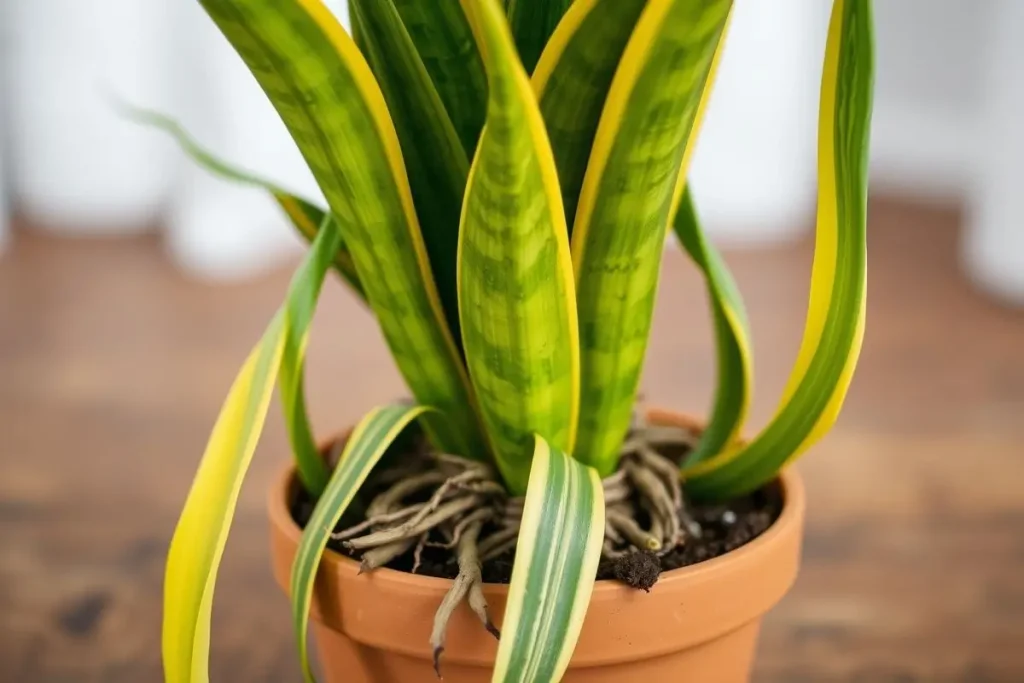
Overwatering is the top reason snake plant leaves fall over. It can also lead to your snake plant falling over at the base. When the roots start to rot from too much water, they lose their ability to support the plant, causing it to tip over.
You’ll notice mushy roots, yellowing leaves, and consistently soggy soil. If the roots can’t breathe, they rot, weakening the plant and leading to a collapse from the bottom up.
I overwatered a snake plant once, and within a week, the leaves turned soft and fell over. Research from Purdue University shows that overwatering is a leading cause of root rot in houseplants like snake plants. Check your soil—if it’s soggy for days, overwatering is likely the issue.
Underwatering and Dehydration
Underwatering can also make snake plant leaves droop. Look for wrinkled, curling, or crispy leaves as signs. Without enough water, the plant’s cells lose pressure, leaving leaves limp and unable to stand. If your snake plant is losing leaves, dehydration might be the cause.
To check, stick your finger an inch into the soil. If it’s bone dry, your plant is thirsty.
Underwatering weakens the plant over time. I’ve seen a neglected snake plant perk up after a good drink, but it takes consistent care to avoid this problem. Check soil moisture regularly to keep your plant hydrated without overdoing it.
Poor Soil Quality and Drainage
Poor soil quality leads to a snake plant flopping over by suffocating the roots. If the soil is dense, compacted, or holds water for too long, the roots can’t get air or dry out properly. You’ll notice slow drainage or soil that stays wet for days.
Snake plants need well-draining soil, like a cactus or succulent mix with added perlite. Good drainage prevents water from pooling and keeps roots healthy. Switch to this mix if your soil feels heavy or clay-like.
Repotting Mistakes
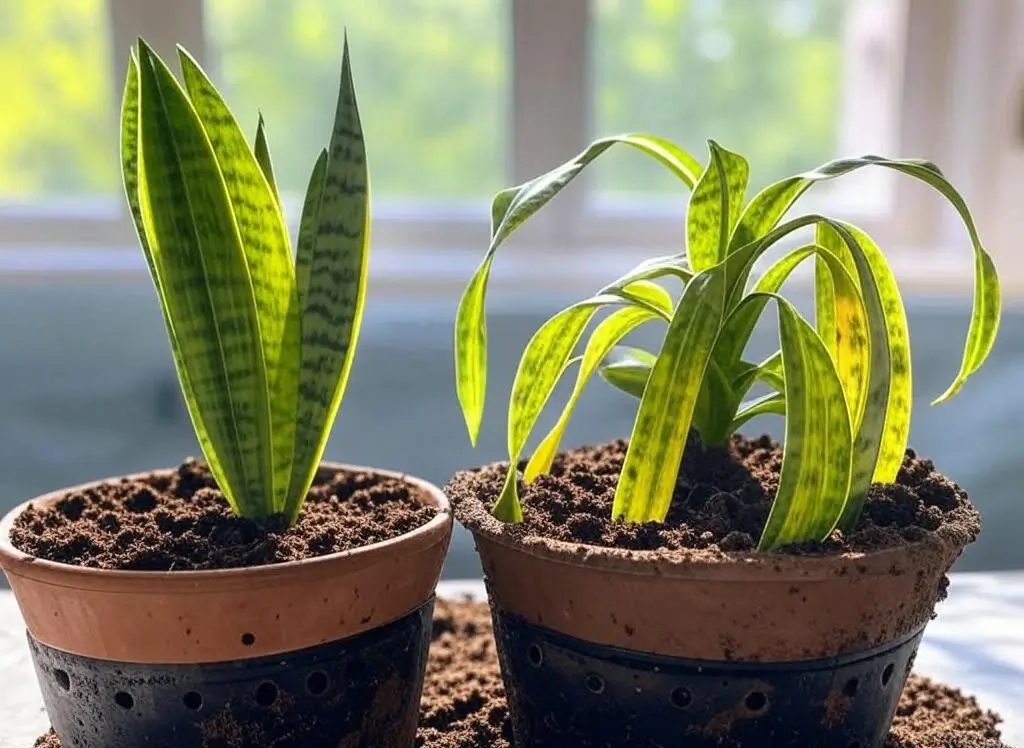
Repotting mistakes can stress your snake plant, causing leaves to fall over. If you damage roots or use the wrong soil, the plant struggles to stay stable. Repotting shock can make leaves droop as the roots recover.
I repotted a snake plant too roughly once, and the leaves leaned for weeks. Repot carefully—loosen the roots gently and use fresh, well-draining soil.
Give the plant time to adjust after moving it to a new pot.
Lack of Sunlight
Snake plants need bright, indirect light to thrive. If yours has pale, leggy, or soft leaves, it’s not getting enough sun. Low light weakens the plant’s structure, making leaves flop over time.
Move your snake plant to a brighter spot, like near a window with filtered light. It’ll grow stronger and stand upright with the right exposure.
Temperature Stress
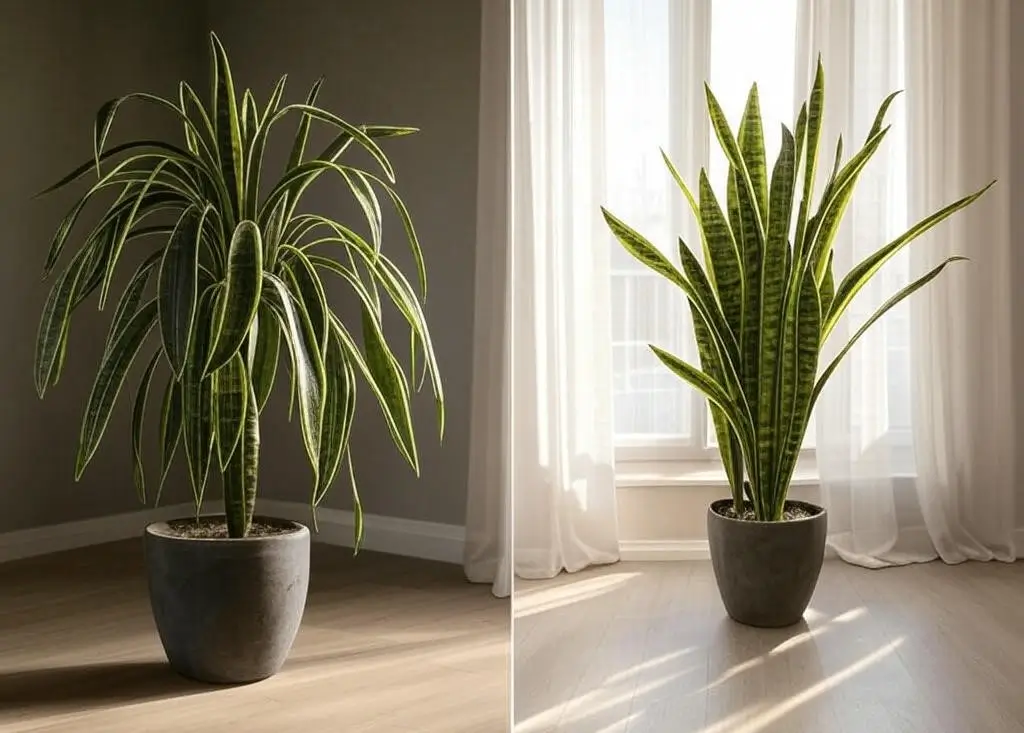
Temperature stress can cause snake plant leaves to collapse. Sudden cold drops make leaves droop, while heat stress dehydrates them fast. The best range for snake plants is 60–85°F (16–29°C).
If your plant’s near a drafty window or a hot vent, it might struggle. I moved a snake plant away from a cold sill once, and it recovered in days. Keep it in a stable, warm spot for healthy leaves.
Improper Pot Size
The wrong pot size affects snake plant stability. A pot too big holds extra water, rotting roots, while a tiny one crowds them, tipping the plant over.
Choose a pot just big enough for the roots, with drainage holes. This balances moisture and support. Check your pot—if it’s oversized or cramped, it’s time for a switch.
Pests or Diseases
Pests or diseases can weaken snake plants, making leaves fall over. Spider mites and mealybugs suck sap, leaving leaves soft, while fungal infections rot the roots.
Look for tiny bugs or cottony spots on leaves. If you spot them, act fast—pests spread quickly. Healthy plants resist better, so good care helps here too.
Physical Damage
Physical damage can cause snake plant leaves to fall over. Bumps, rough handling, or pets brushing against them can bruise or break leaves. Once damaged, they may lean or collapse.
I’ve had a cat knock a leaf, and it drooped soon after. Support damaged leaves with a stake or prune them if they’re beyond saving. Handle your plant gently to avoid this.
How to Fix a Snake Plant with Falling Leaves
Now that you know why your snake plant is drooping, let’s fix it. These practical steps tackle each issue with clear, doable advice.
Adjusting the Watering Routine
Proper watering fixes most snake plant leaf problems. Water every 2-3 weeks in spring and summer, less in winter. Stick your finger an inch into the soil—if it’s dry, water; if it’s damp, wait.
For overwatered plants, let the soil dry out completely before watering again. For underwatered ones, give a thorough soak, then drain excess water. Consistency keeps roots healthy and leaves upright.
Repotting with the Right Soil
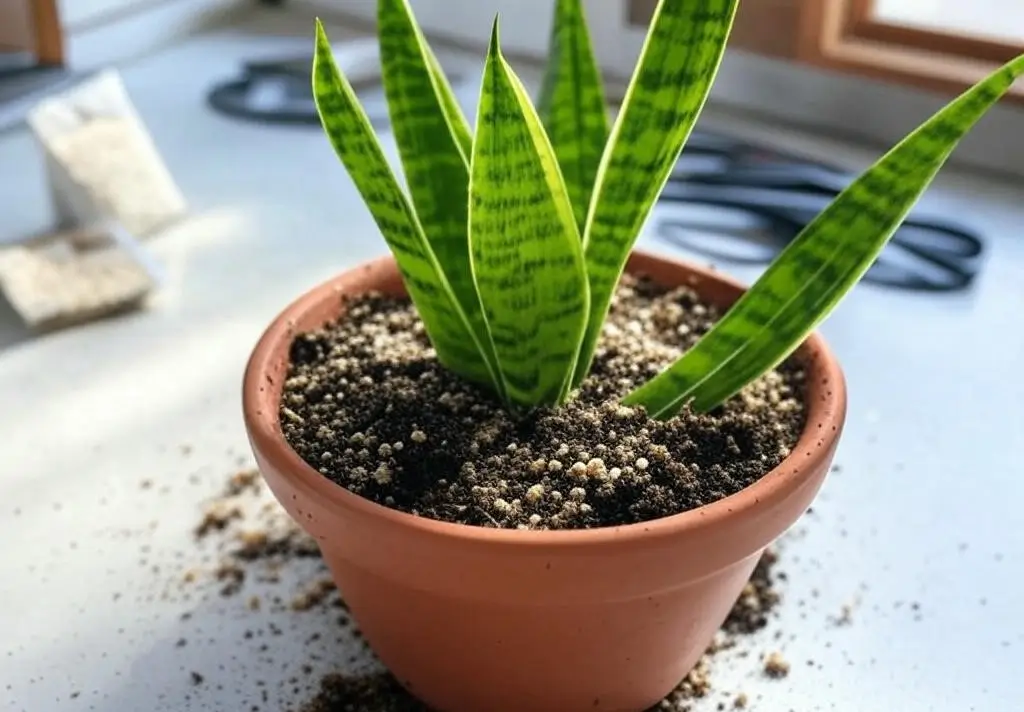
Repotting with the right soil prevents falling leaves. Use a cactus or succulent mix with perlite for drainage. If root rot’s present, cut away mushy roots with clean scissors before repotting.
Repot every 1-2 years or when roots outgrow the pot. Loosen the root ball gently, place it in fresh soil, and water lightly. This gives your plant a strong base.
Best Soil Mix for Snake Plants:
- 50% potting soil
- 25% perlite
- 25% coarse sand
Providing Proper Light Conditions
Snake plants need bright, indirect light to stand tall. Place them near a north or east-facing window. If your home’s dim, a grow light on for 12 hours a day works well.
Move the plant gradually to avoid shock—start with a few hours of better light daily. Good light strengthens leaves and roots. Check your spot; if it’s too dark, adjust it.
Supporting Weak or Leggy Growth
Support weak snake plant leaves to help them recover. Tall snake plant leaves, especially, may need extra support as they can be more prone to tipping over due to their size.
Prune leggy growth with clean scissors to encourage stronger shoots. Use a small stake or tie to prop up falling leaves.
Water and light improvements help roots grow stronger over time. Be patient—new growth takes weeks. This keeps your plant stable and healthy.
Choosing the Right Pot
The right pot prevents snake plant leaves from falling over. Pick one with drainage holes to avoid water buildup. Terracotta pots dry faster than plastic, which helps too.
Match the pot to the root size—about 1-2 inches wider than the root ball. Repot carefully, filling gaps with soil. A good pot supports the whole plant.
Managing Temperature and Humidity
Keep snake plants at 60–85°F for strong leaves. Move them away from cold drafts or hot radiators. If your home’s dry, a humidifier adds moisture without overwatering.
Sudden temperature changes stress the plant, so avoid placing it near doors or vents. Stable conditions keep leaves firm. Adjust your setup if you notice drooping.
Treating Pests and Diseases
Treat pests to stop snake plant leaves from falling apart. Natural remedies work best for snake plant pests. Wipe leaves with neem oil or insecticidal soap to kill spider mites or mealybugs.
For fungal issues, remove affected roots and repot in fresh soil.
Check weekly for bugs or spots—early catches save the plant. If it’s too sick, isolate it or discard it. Healthy care prevents most infestations.
Preventing Future Issues
Prevention beats fixing problems later. Here’s how to keep your snake plant standing strong with simple habits.
How to Maintain a Proper Watering Schedule
Water your snake plant every 2-4 weeks, less in winter. Stick your finger in the soil—if it’s dry an inch down, it’s time. Overwatering is the biggest killer, so err on the dry side; these plants are tough like cacti. This rhythm has kept my snake plant healthy for years.
Best Fertilizer for Snake Plants to Prevent Weak Growth
Fertilize your snake plant lightly to avoid floppy leaves. Use a balanced, water-soluble fertilizer (like 10-10-10) once in spring and once in summer—half strength is plenty. Too much can burn roots, making leaves weak.
Seasonal Care Tips
Adjust care with the seasons for a happy snake plant. In winter, it rests—water less (every 6 weeks) and keep it warm. Summer means growth, so water every 2-3 weeks and give it more light. Watch for early trouble like yellow tips—it’s a heads-up to tweak something.
Regular Inspection for Early Signs of Problems
Check your snake plant weekly to catch issues fast. Look under leaves for pests, feel the soil for wetness, and test leaf firmness. Spotting problems early—like a soggy base or tiny bugs—lets you fix them before leaves fall. It’s like a quick health check for your plant.
FAQs About Snake Plant Leaves Falling Over
Got questions? These are the ones I hear most about drooping snake plants, with straight answers.
Why Is My Snake Plant Leaning Instead of Standing Straight?
Your snake plant leans due to weak roots or uneven light. Check the soil and rotate it weekly.
Can I Cut Off Falling Snake Plant Leaves?
Yes, you can cut off falling snake plant leaves. Use clean scissors and trim at the base to encourage new growth.
Will a Snake Plant Regrow Leaves That Have Fallen Over?
Snake plants don’t regrow fallen leaves, but new ones sprout from the base. Fix the cause, and it’ll recover.
How Do I Revive a Snake Plant with Drooping Leaves?
Revive a drooping snake plant by adjusting water, light, and soil conditions. Start with a moisture check and go from there.
Can Too Much Fertilizer Cause Falling Leaves?
Too much fertilizer can make snake plant leaves fall over. Use it sparingly—once a year.
Can I Save a Snake Plant With Root Rot?
Yes, you can! Remove the plant from its pot, cut away the rotten roots, and repot in fresh, well-draining soil. Avoid watering for a week. For a step-by-step guide, check out how to save a snake plant from root rot.
Conclusion
Overwatering, poor soil, repotting errors, bad light, temperature stress, or damage are the common reasons for mother-in-law tongue leaves falling over.
Fixing them starts with proper watering, good soil, and the right light conditions. Check your plant’s setup—small tweaks can make a big difference. With these steps, your snake plant will stand strong again.