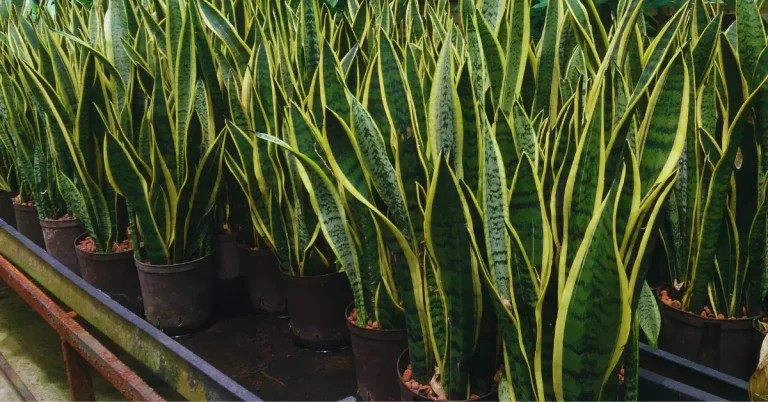
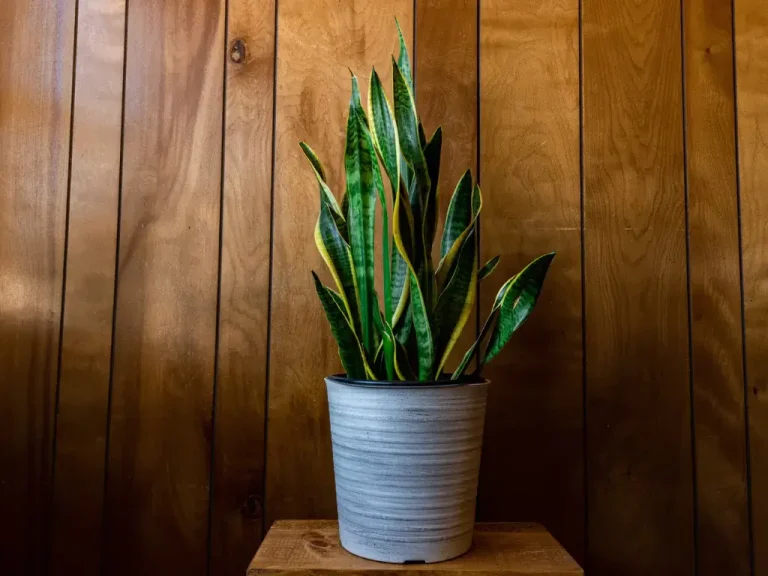
Snake plants, also known as Sansevieria or Dracaena trifasciata, are some of the most popular houseplants due to their striking appearance and minimal care needs.
But how quickly do these hardy plants grow?
Snake plants typically grow 2-4 inches per year, with optimal care pushing them toward the higher end.
In this article, I’ll break down their growth rate, explain what slows them down, and share practical tips to give them a boost. Let’s dive in.
How Fast Do Snake Plants Grow?
Snake Plant Growth Rate
Snake plants grow 2-4 inches per year under typical indoor conditions. Outdoors, in rare cases with perfect weather and care, they can hit 8-10 inches.
It usually takes 3-6 months for a snake plant to grow just one inch, depending on light and how well you care for it.
This range comes from their ability to adapt to different environments, which I’ll explain more later.
Their thick, upright leaves—called blades—store water, so they don’t need to grow fast to survive. If you’re tracking growth, measure from the soil line to the tip of the tallest leaf once a month. You’ll see the steady pace over time.
Growth Timeline
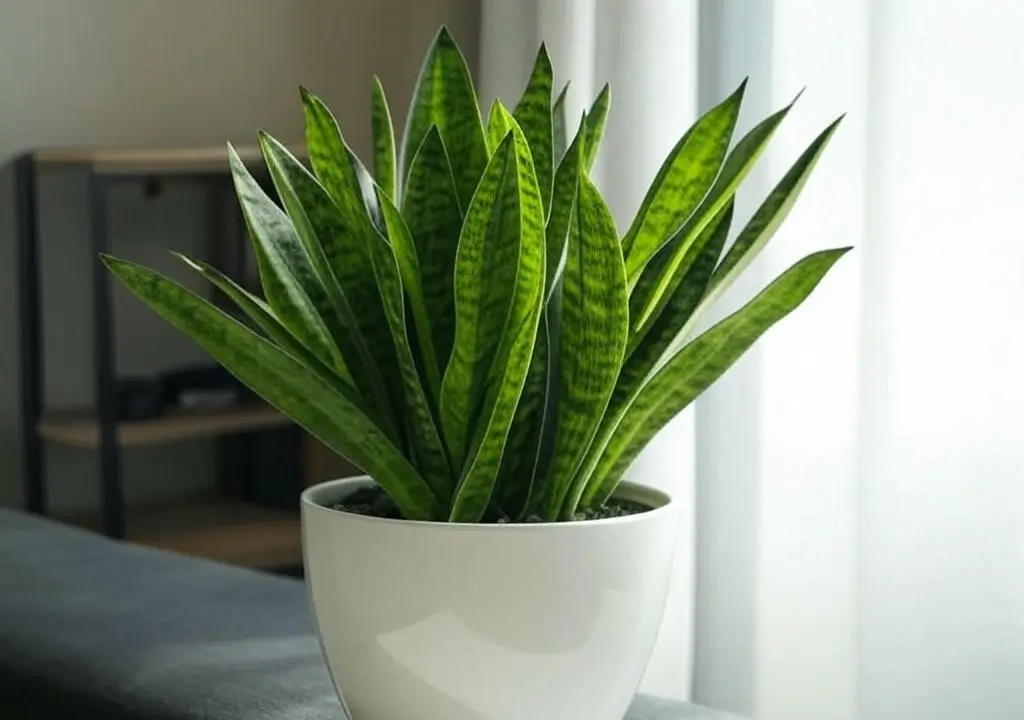
Snake plants take 5-10 years to reach full maturity, which is about 1-3 feet tall indoors. Younger plants, called pups, grow a bit faster at first—around 3-6 inches per year—while they establish roots.
Mature plants slow down as they focus on maintaining existing leaves rather than adding height.
For example, a pup I started in a bright window hit 6 inches in its first year, but my older plant nearby only grew 2 inches. The timeline depends on care, which connects to light and water tips I’ll cover in section two.
Fast or Slow?
Snake plants are moderate growers compared to other houseplants.
| Houseplant | Average Growth Rate (Indoor) |
| Pothos | 1–2 inches per month |
| Monstera | 1–2 inches per month |
| Snake Plant | 2–4 inches per year |
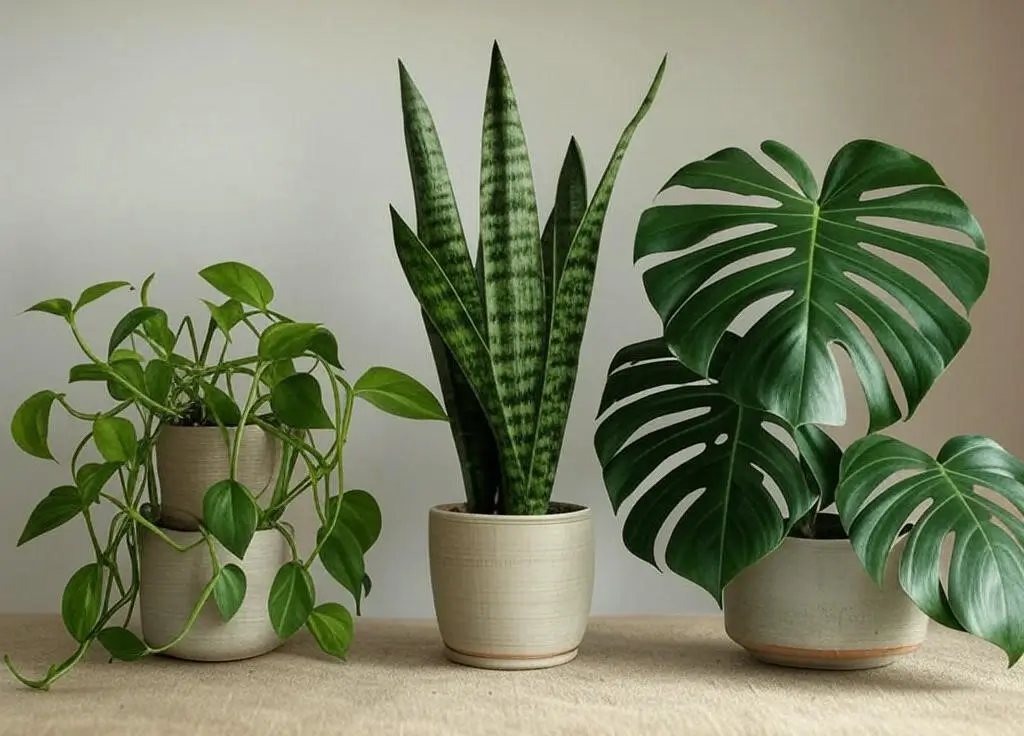
Their succulent nature means they store energy in their leaves, so they don’t shoot up like a vine.
Some varieties grow quicker—‘Cylindrica’ can push toward 6 inches a year with its long, round leaves—while dwarf types like ‘Hahnii’ stay slow at 2-3 inches.
This moderate pace makes them low-maintenance, but it also means patience is key. If you want faster growth, focus on the factors in the next section.
How To Make Snake Plants Grow Faster?
Light
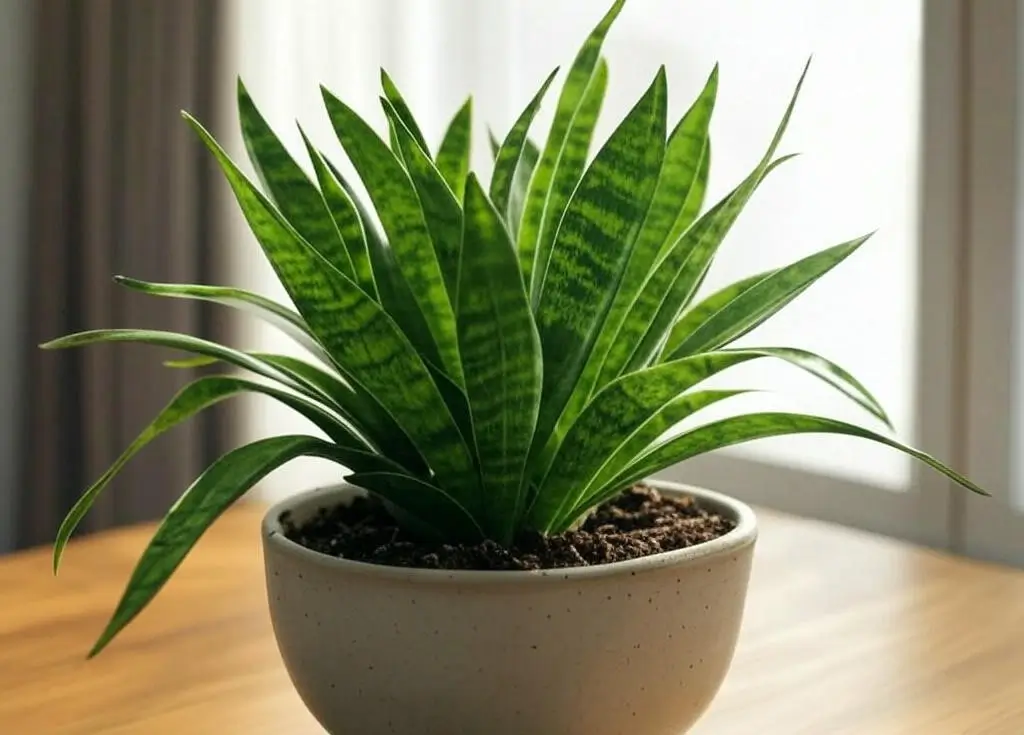
Snake plants need bright, indirect light for 6-8 hours daily to grow 4-6 inches per year. In low light—less than 4 hours a day—they creep along at 1-2 inches.
Too much direct sun, though, burns the leaves and slows growth by stressing the plant.
Place yours near an east or west window with a sheer curtain. I moved one to a brighter spot last spring, and it added 4 inches by fall-proof light matters.
Water
Water snake plants every 2-3 weeks, only when the soil is fully dry, to keep growth steady. Overwatering cuts growth because soggy roots rot and can’t support new leaves.
Research from Purdue University shows succulents like snake plants thrive when soil dries out between waterings, preventing root damage.
Check the top inch of soil with your finger—if it’s dry, water it. Too much water once left my plant’s leaves drooping, so I learned to wait.
Soil & Nutrients
A well-draining mix, like potting soil with perlite, supports steady growth by keeping roots healthy. Fertilize monthly in spring and summer with a 10-10-10 fertilizer at half strength to boost growth up to 6 inches a year. Skip fertilizer in fall and winter when the plant rests.
Mix one part perlite with two parts soil for drainage. This combo keeps water moving, linking to the watering tip above.
Temperature
Snake plants grow best between 65-85°F. Below 50°F, growth stops completely, and above 90°F, the plant gets stressed and slows down. Keep it away from cold drafts or hot vents.
I noticed one near a chilly window barely grew last winter—temperature control is a simple fix.
Pot Size
Cramped pots slow growth because roots can’t spread. Repot every 2 years into a pot 1-2 inches wider to give roots room. A bigger pot ties into soil health—roots need space to use nutrients effectively.
Check for coiled roots at the base. If you see them, it’s time to repot.
Seasonal Patterns
Spring and summer are active growth seasons, with 3-6 inches possible. In winter, snake plants go near-dormant, adding 0-1 inch. Adjust care by watering less and skipping fertilizer in cold months.
This seasonal shift connects to light and temperature—everything works together.
Climate-Specific Growth Tips
Snake plants adapt to various climates, but their growth rates and care requirements can differ:
Tropical Climates
Shield them from harsh midday sun—too much direct light scorches leaves, stunting growth to 1-2 inches a year. Use a canopy or north-facing spot.
During dry spells, water every 10-14 days instead of 2-3 weeks to keep soil barely moist, mimicking their native humid habitats.
A friend in Hawaii saw her plant jump from 3 to 5 inches yearly with this shift.
Temperate Climates:
Bring them indoors when temps dip below 50°F—cold halts growth entirely, and frost can kill roots. Position them 3-5 feet from drafty windows or doors; even slight chills slow leaf production.
In spring, a UK grower I know pots hers outside for 6-inch gains, then back in by October.
Arid Regions
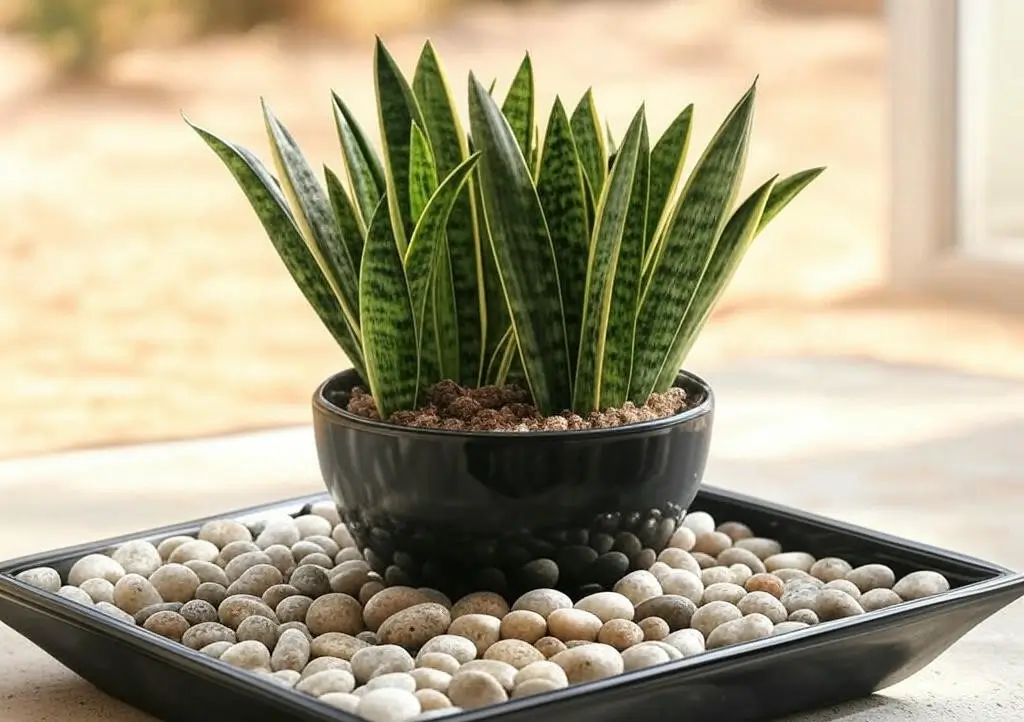
Dry air below 30% humidity stresses leaves, capping growth at 2-3 inches. Add a pebble tray with water beneath the pot (don’t let it touch the base) or mist lightly monthly to hit 40-50% humidity—think rare desert rains.
One in Arizona boosted her ‘Cylindrica’ to 6 inches a year this way.
Snake Plant Growth Stages
New Leaves
New leaves emerge in 1-3 months and grow 1-2 per year in good conditions. Bright light and dry soil speed this up. You’ll see a small green tip poke out near the base first.
Measure new leaves monthly to track progress. This stage sets the pace for overall height.
Pups & Offsets
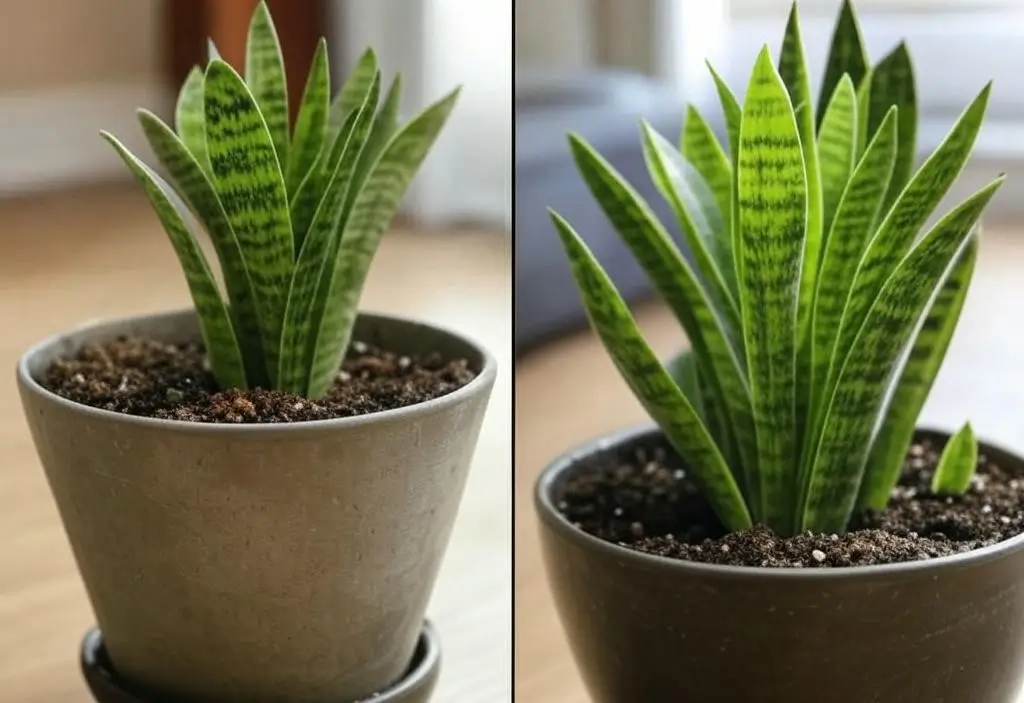
Pups grow 3-6 inches in their first year as they build their own roots. Separate them when they’re 4-6 inches tall for faster independent growth. Use a sharp knife to cut them from the parent, then pot them in a draining mix.
Pups link to maturity—more pups mean a healthier plant over time.
Maturity
Snake plants hit maturity at 5-10 years, growing 1-3 feet indoors. At this stage, growth slows to 1-2 inches per year as the plant maintains itself. You’ll notice fewer new leaves and more focus on keeping older ones strong.
Mature plants still benefit from the care tips in section two—don’t slack off.
Why Isn’t My Snake Plant Growing Faster?
Common Slowdowns
Snake plants grow slowly with low light (under 4 hours daily), soggy soil, a tiny pot, or no fertilizer. These issues starve the plant of energy or damage its roots.
The Royal Horticultural Society notes that poor drainage is a top reason for stunted succulents, tying soil and water together.
Check your setup—most slowdowns are fixable.
Quick Fixes
Move your plant to a brighter spot with 6-8 hours of indirect light. Let soil dry fully between waterings, repot if roots are coiled, and add monthly fertilizer in spring and summer. These steps can double growth from 2 to 4 inches a year.
I repotted a cramped plant last year, and it added 3 inches in six months—small changes work.
FAQs About Snake Plant Growth Speed
How Fast Do Snake Plant Cuttings Grow?
Snake plant cuttings grow roots in 3-8 weeks and add 2-4 inches of new growth per year. Use a 4-inch leaf cutting in water or soil, kept in bright light. Change water weekly if using that method. Leaves appear after roots establish.
Does Pruning Help?
Yes, trimming dead or damaged tips on a snake plant can encourage healthier growth. Cut brown or yellow ends with clean scissors in spring to help the plant redirect energy toward new leaves.
Can a Snake Plant Go 3 Weeks Without Water?
Yes, snake plants can survive 3 weeks without water. Their thick leaves store moisture, making them drought-tolerant and ideal for minimal watering schedules.
Interactive Growth Checklist
Before you go, use this quick checklist to ensure your snake plant is set up for success:
- Light: Is it placed near a bright, indirect light source?
- Soil: Do you have a well-draining potting mix?
- Watering: Is the topsoil dry before watering?
- Temperature: Is the plant in a temperature range of 65–85°F?
- Fertilizer: Are you feeding monthly in spring and summer?
Conclusion
Snake plants climb steadily with the right setup—proving tough succulents can still surprise you. Give them bright, indirect light, let the soil dry out, and repot when needed.
Try it: tweak one tip today and check for new growth by next month. Got a slowpoke? Share your setup below—I’ll help troubleshoot!