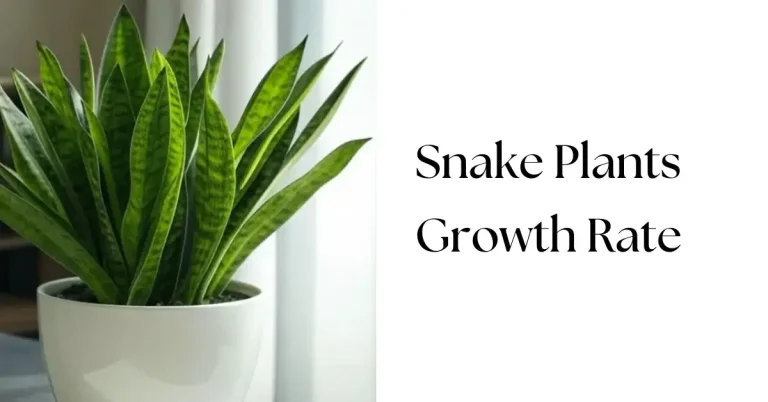
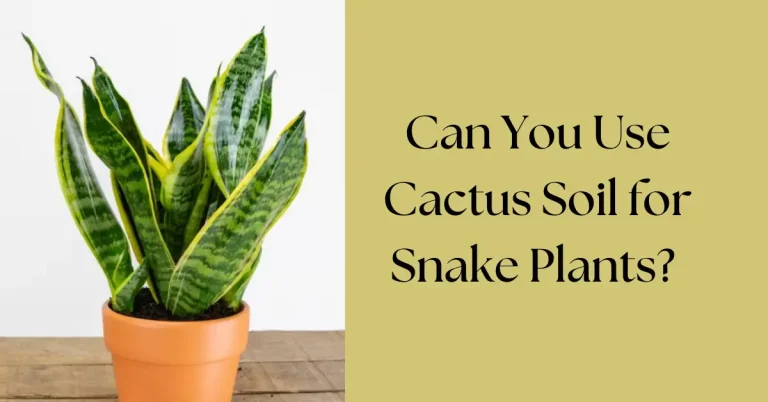
Snake plants (Sansevieria trifasciata) are a popular choice for their air-purifying qualities and sleek design.
However, as a parent, you may wonder: Are snake plants toxic to babies?
Yes, snake plants are mildly toxic to babies if ingested.
This guide will walk you through everything you need to know to keep your little ones safe while still enjoying your indoor greenery.
Let’s dive in!
What Makes Snake Plants Toxic?
Snake plants contain saponins, natural chemicals that protect them from pests. While these compounds benefit the plant, they can cause mild to moderate symptoms if ingested by humans, particularly young children or pets.
Why Babies Are at Risk
Babies are naturally curious. They love to touch and taste everything in their environment. If they chew on a snake plant leaf, they may swallow saponins, leading to symptoms like:
- Upset stomach
- Nausea
- Vomiting
While snake plants are not considered deadly, taking precautions is important.

Are Snake Plants Deadly to Babies?
Fortunately, snake plants are not life-threatening. Their toxicity level is relatively low, and most cases result in mild symptoms that resolve within a day or two.
However, because babies have smaller bodies and more sensitive systems, even small amounts of the plant can lead to discomfort. If you suspect your baby has ingested any part of a snake plant, it’s best to act quickly (more on that below).
Symptoms of Snake Plant Exposure in Babies
Saponin toxicity in babies can cause:
- Drooling
- Nausea
- Vomiting
- Irritability
In rare cases, saponin exposure may cause swelling in the mouth or throat, leading to difficulty breathing. This requires immediate medical attention.
First Aid Steps for Ingestion
Here’s what to do if your baby eats a snake plant:
- Remove any plant pieces from their mouth.
- Rinse their mouth with water.
- Monitor for symptoms.
- Call a doctor or poison control if symptoms appear.
Childproofing Your Home with Houseplants
Safe Placement Tips
Preventing access is the best way to keep your baby safe around houseplants. Try these strategies:
- Place plants on high shelves.
- Use hanging baskets.
- Add barriers, like baby gates, around plant areas.
Baby-Safe Alternatives to Snake Plants
If you want houseplants but worry about toxicity, try these non-toxic options:
- Spider Plant (Chlorophytum comosum): Non-toxic and great for air purification.
- Boston Fern (Nephrolepis exaltata): Safe and adds lush greenery.
- Areca Palm (Dypsis lutescens): A stylish, pet- and baby-friendly option.
Artificial Plants as an Option
If you want peace of mind, try high-quality artificial plants. They look very real and are completely safe for your baby. While they don’t clean the air, they can still make your home look bright and beautiful.
FAQs About Snake Plants Toxicity to Babies
Are Snake Plants Poisonous to Babies?
Yes, snake plants are toxic if ingested and can cause nausea, vomiting, or irritation.
What Part of the Snake Plant is Toxic?
The whole plant contains saponins, but the leaves are the most toxic.
What Happens if My Baby Eats a Snake Plant?
If your baby eats a part of the plant, they may experience mild symptoms like nausea or vomiting. Follow the steps outlined above to rinse their mouth and call poison control for advice.
Are Snake Plants Toxic to the Touch?
No, snake plants are not toxic to the touch, but their sap can cause mild irritation in some individuals.
Are Snake Plants Toxic to Pets as Well?
Yes, snake plants are also toxic to cats and dogs. If you have pets, the same precautions apply. Learn more about snake plant toxicity in cats and dogs.
Are There Safe Air-purifying Alternatives to Snake Plants?
Yes! Try spider plants or areca palms for a non-toxic option.
Final Thoughts
Snake plants can add beauty and health benefits to your home, but they are mildly toxic to babies. To stay safe, keep them out of reach. You can also choose baby-safe plants instead.
By taking simple precautions, you can enjoy the benefits of indoor plants while ensuring your baby’s safety.
Expert Tips and Resources
- ASPCA’s list of toxic and non-toxic plants: ASPCA
- Contact for Advice: Poison Control Center
- Learn about saponins and their effects: National Library of Medicine